

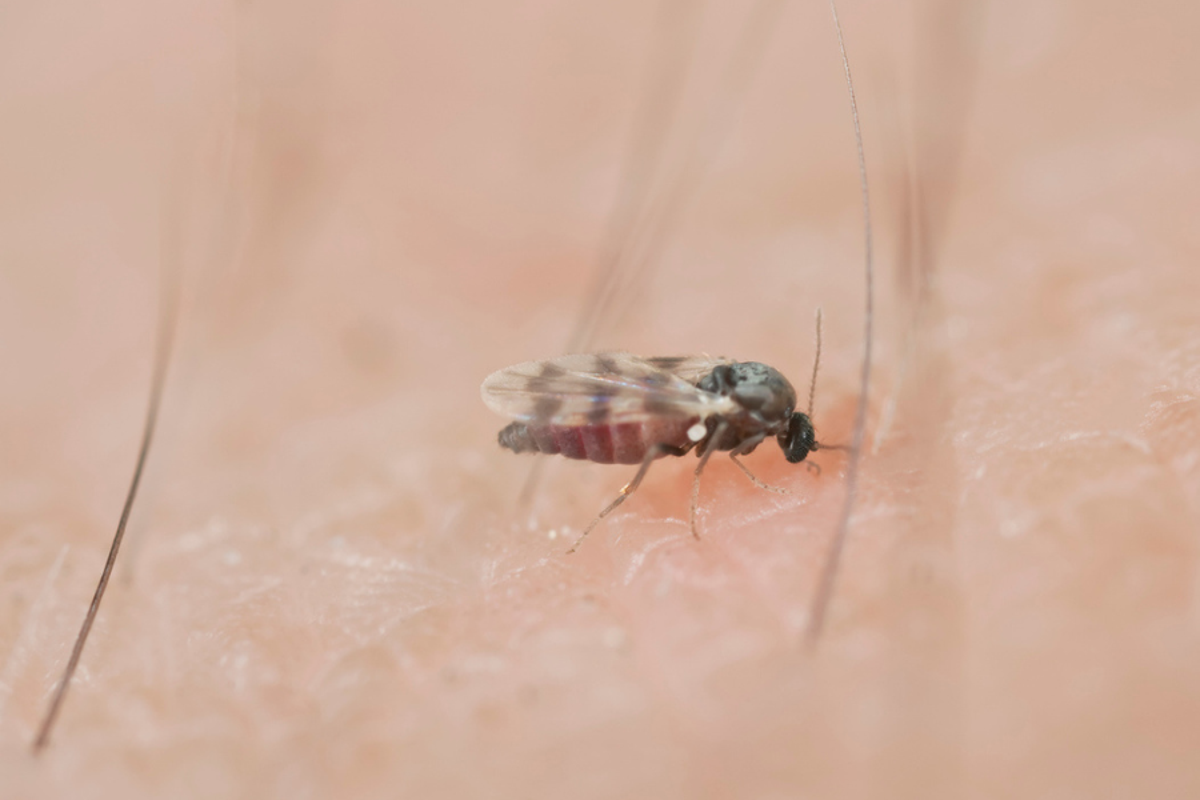
Southern California Faces Rise in “Eye-Biting” Flies This Spring
Southern California residents are facing an unexpected challenge this spring: a significant uptick in tiny, “eye-biting” flies. These bothersome insects have become a nuisance, particularly in the San Gabriel Valley foothills, causing uncomfortable bites that leave itchy, red welts on both people and pets.
Understanding the Outbreak of Black Flies
These small black flies, recognized as a type of black fly prevalent in riverine areas, are breeding in unusually high numbers this season. According to Anais Medina Diaz, the director of communications for the San Gabriel Valley Mosquito and Vector Control District, these insects typically thrive in running water, making the San Gabriel River an ideal breeding ground, especially with favorable environmental conditions this year.
Residents from communities such as Azusa, Altadena, Glendora, and San Dimas have reported frequent encounters with these relentless pests. Many have experienced multiple bites throughout the day, and some have even reported allergic reactions after prolonged exposure, as indicated by local vector control authorities.
Impact on Communities and Outdoor Activities
Families in the Azusa area are becoming increasingly concerned about outdoor safety due to the surge of biting flies. These insects cause large, itchy welts that can even penetrate protective clothing and insect repellents, making outdoor activities uncomfortable and challenging.
While the discomfort is prominent, officials assure the public that despite their irritating bites, these black flies do not transmit diseases, offering a silver lining to the plight.
Factors Contributing to Black Fly Population Surge
The spike in black fly populations is attributed to several factors, including:
- Unusually Warm Winter Temperatures: These warm conditions have supported early breeding cycles.
- Increased River Flow: Early snowmelt has created optimal breeding environments in the San Gabriel River.
Typically, black flies emerge later in the year; however, this spring, their numbers have surged into the hundreds—compared to only single-digit counts during the same period last year.
Precautions for Residents
Experts recommend several precautions for residents to mitigate encounters with these pesky flies:
- Use DEET-Based Insect Repellent: Applying a quality insect repellent can help deter bites.
- Wear Light-Colored, Loose-Fitting Clothing: This type of clothing is less attractive to black flies.
- Avoid Peak Activity Times: Steering clear of outdoor activities during sunrise and late afternoon can reduce the chances of encountering flies.
Additionally, vector control efforts are currently underway focusing on larval treatments along local waterways. While these measures are intended to reduce future populations, residents may continue to encounter adult flies for several weeks.
Managing Water Features on Property
Homeowners are also encouraged to monitor decorative water features like fountains and small streams. If these features are continuously flowing, they can serve as additional breeding sites for black flies, potentially worsening local infestations.
In summary, Southern California residents are experiencing an unanticipated rise in black flies this spring. By taking recommended precautions and staying informed about ongoing vector control efforts, communities can work together to alleviate the discomfort caused by these “eye-biting” insects.
