

Addressing Educational Challenges in California: The Role of Student Success Coaches
California’s educational landscape is grappling with significant challenges: closing persistent academic gaps and revitalizing a depleted educator workforce. The urgency of these issues is underscored by state assessment data indicating that 50% of students are testing below standards in reading and over 60% in math. Compounding these academic struggles is the issue of chronic absenteeism, which, despite some recovery since the pandemic, remains higher than pre-2020 levels in numerous districts. Concurrently, schools are facing ongoing teacher shortages and high rates of early-career attrition.
The Funding Dilemma
Federal relief funds previously provided a buffer for expanding tutoring and student support initiatives, but these resources have largely been depleted. Now, district leaders are confronted with the challenge of promoting academic recovery in a significantly constrained fiscal environment. The pressing question is not whether students need additional support but how to deliver that support sustainably without further straining teachers and budgets.
A Solution: The California Student Success Coach Learning Network
One promising approach is the California Student Success Coach Learning Network (SSCLN). This statewide initiative is a coalition of 14 AmeriCorps programs, operational across over 30 communities, from Sacramento to San Diego, and Fresno to El Centro. The network places dedicated student success coaches directly in K–12 public schools, creating a supportive environment for students.
The Role of Student Success Coaches
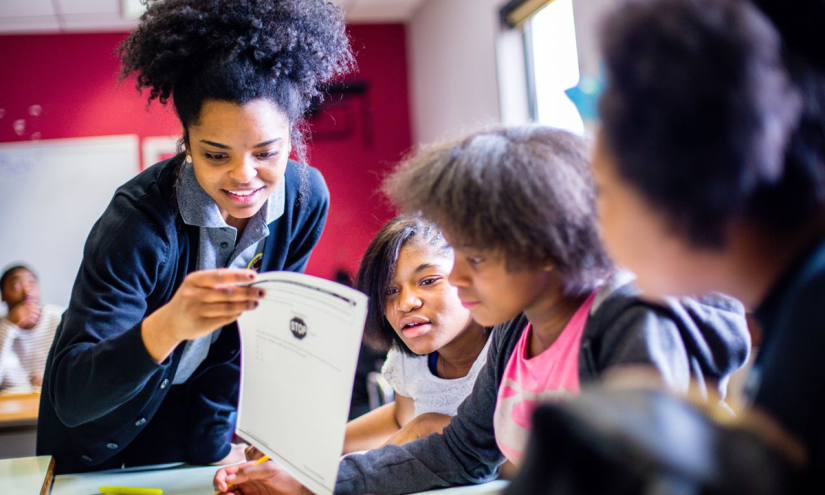
Student success coaches serve as near-peer mentors and tutors. Typically aged between 18 and 25, these individuals are often recent high school or college graduates exploring careers in education or youth development. They are recruited locally and undergo a rigorous selection process, which includes background checks and training in tutoring strategies, relationship building, and student engagement.
Unlike short-term volunteers, these coaches embed themselves in schools, fostering a sense of community and continuity. Throughout their service year, they provide ongoing, evidence-based support tailored to school priorities, engaging in activities such as:
- One-on-one and small-group tutoring
- Attendance support and family engagement
- Academic mentoring and goal setting
- Reinforcement of social-emotional skills
This tailored support is directed towards students identified by school staff based on various indicators such as academic performance and attendance patterns.
Evidence of Impact
Extensive research substantiates the effectiveness of high-impact tutoring and consistent mentoring relationships. A landmark meta-analysis by the National Bureau of Economic Research found that tutoring can significantly improve academic outcomes across various grade levels. Coaches do not replace teachers; instead, they enhance classroom capacity, enabling educators to concentrate on core instruction.
Metrics from the 2023-2024 school years show the positive outcomes of the SSCLN programs:
- 73% of students supported by coaches improved their semester grades.
- 77% saw improvement over the full academic year.
- 95% of coached students graduated, compared to California’s statewide rate of 87%.
Additionally, the network has reported improvements in attendance, with some organizations achieving a 56% improvement in attendance-related measures, echoing findings from a survey conducted by the Everyone Graduates Center at Johns Hopkins University.
Collaboration and Workforce Development
One notable aspect of the SSCLN is its focus on cultivating future educators. Approximately 36% of student success coaches pursue careers in education following their service year. This experience offers invaluable insights into classroom dynamics and professional mentorship, helping to bridge the gap into teaching.
The skills honed by these coaches—communication, teamwork, empathy, and adaptability—are increasingly sought after in today’s job market. Research from America Succeeds confirms that these “durable skills” are among the most in-demand. Therefore, the SSCLN model simultaneously addresses the need for student recovery and broader workforce development.
A Sustainable Approach
The funding structure for AmeriCorps members, which includes a living allowance and assistance with student loans or graduate school tuition, allows districts to enhance student support without committing to permanent staff positions. This flexibility can significantly extend classroom capacity, especially important during budget fluctuations.
As California navigates future budget cycles and leadership transitions, the critical issue lies in whether the state can afford to invest in coordinated, people-powered support systems for students. Investing in initiatives like the California Student Success Coach Learning Network isn’t just about enhancing education—it’s about forming a robust future for both students and the state’s workforce.
The most pressing question remains: can California afford not to make these essential investments in its education system?
