

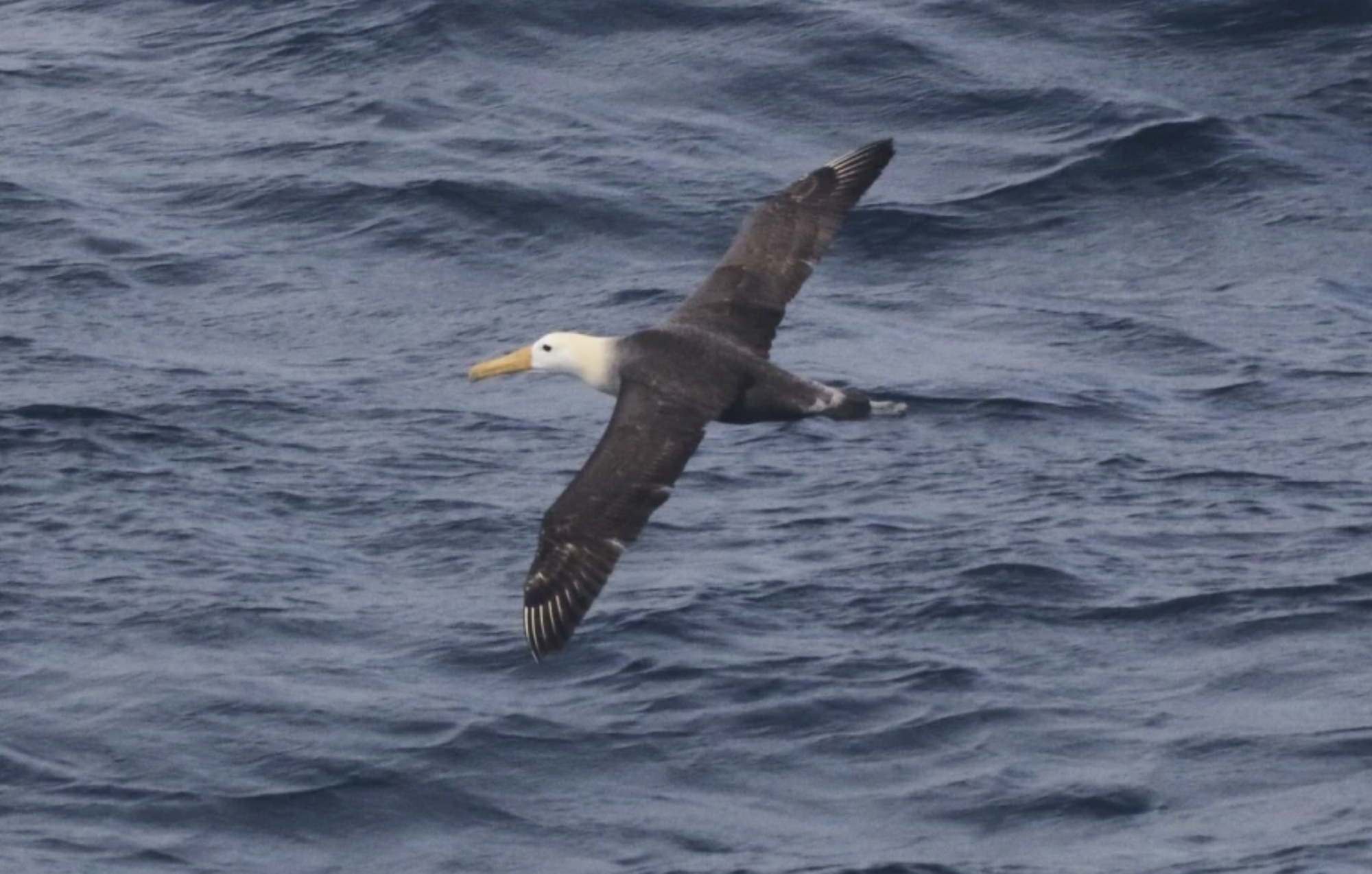
An Albatross’ Unexpected Journey: A 3,000-Mile Detour to California
In a remarkable twist of migration behavior, a wandering albatross recently undertook an astonishing 3,000-mile detour to California, leaving scientists puzzled and fascinated. This captivating journey highlights the complexities of avian navigation and raises questions about environmental influences on bird behavior.
The Journey of the Wandering Albatross
The wandering albatross, known for having the largest wingspan of any bird, is renowned for its impressive migratory patterns. Originating from its breeding ground, this albatross was expected to follow a fairly direct route. Instead, it veered off course, traveling across vast ocean expanses to reach the coasts of California.
Anomalies in Migration Patterns
Bird migration is a well-studied phenomenon, yet such a drastic detour is a rarity. This specific albatross’s behavior challenges scientists’ understanding of migratory instincts and environmental navigation. Sources suggest that various factors, including changes in ocean currents and weather patterns, could have influenced the bird’s unexpected journey.
The Science Behind Avian Navigation
Researchers are keen on understanding how birds like the albatross navigate over such long distances. Various theories exist about their navigation mechanisms, which include the use of magnetic fields, the position of the sun, and environmental cues like wind patterns.
Environmental Influences
Changes in climate and habitat availability are crucial factors. Increased ocean temperatures and shifting food sources may lead to altered migratory routes. The albatross’s detour highlights the potential impact of climate change on migratory behaviors among bird species worldwide.
The Impact of Human Activity
Human activities, such as fishing and pollution, further pose challenges to these majestic birds. The wandering albatross often relies on specific fishing grounds, and the degradation of these areas can result in longer and more complicated migration paths.
Conservation Efforts
Efforts to protect marine environments are essential for the survival of species like the wandering albatross. Organizations focused on avian conservation advocate for sustainable fishing practices and habitat restoration to ensure that these birds can navigate safely and efficiently during their migrations.
The Role of Technology in Bird Tracking
Advancements in technology, such as GPS tracking, are providing invaluable data for researchers studying bird migration. Devices attached to birds can relay location information, showing their movements in real-time and offering insights into their navigational choices.
Future Research Directions
As scientists continue monitoring the wandering albatross and its counterparts, the focus remains on understanding the broader implications of migration patterns. This research is pivotal in identifying how changing global conditions affect bird populations and their habitats.
Conclusion
The wandering albatross’s spectacular 3,000-mile detour to California serves as a reminder of the complexity of avian navigation and the myriad factors influencing migration. By studying such anomalies, researchers can better understand the ongoing impacts of environmental changes on wildlife. The insights gained from these journeys may not only help in avian conservation efforts but also contribute to a more profound understanding of the challenges faced by many species in our rapidly changing world.
To learn more about avian migratory behaviors, explore resources on avian navigation.
In crafting comprehensive articles that enhance SEO performance, it’s crucial to integrate keywords and provide engaging content while ensuring clarity for readers.
