

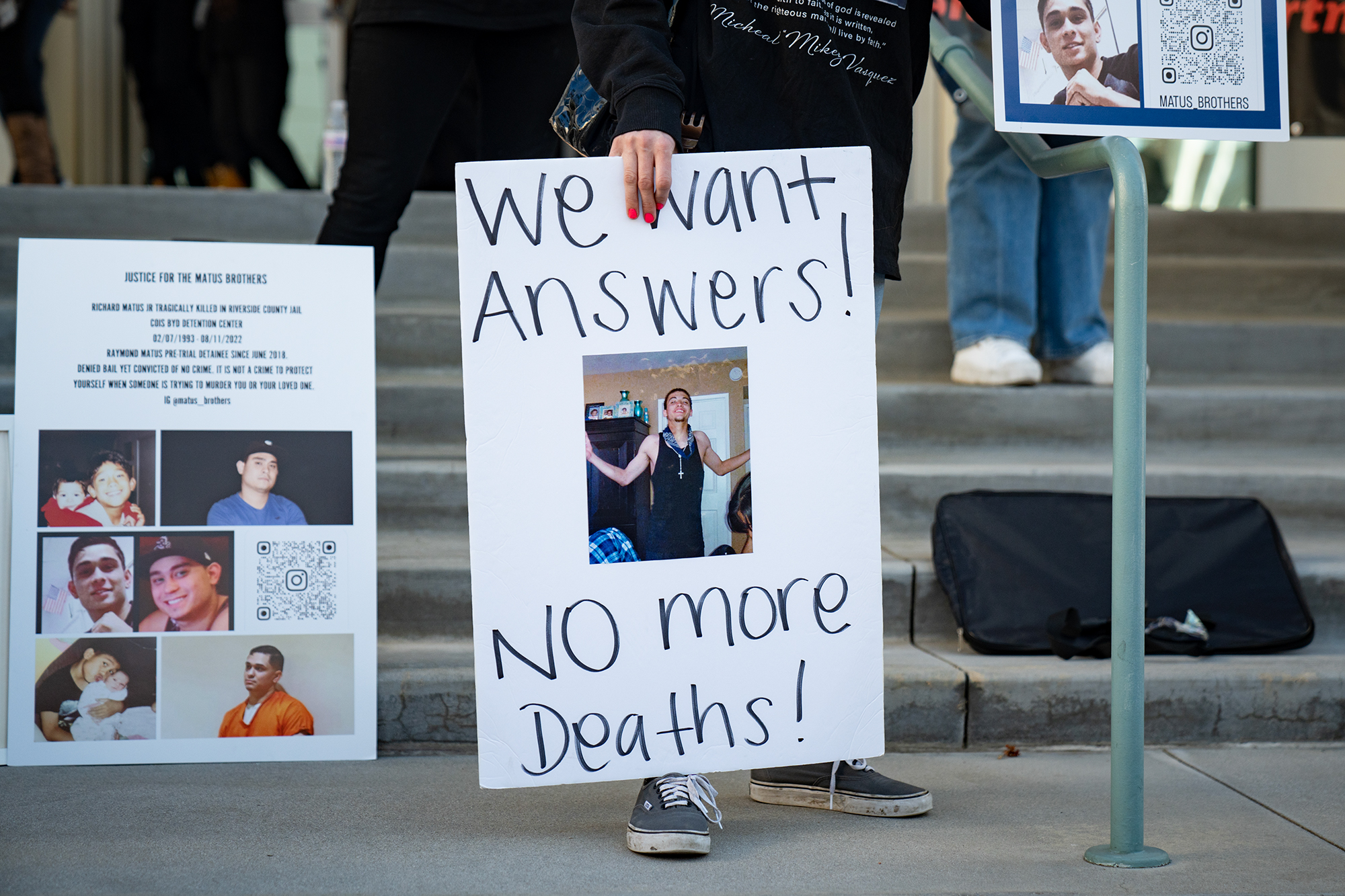
Accountability in California Jails: A Broken Promise
California has long grappled with the issue of accountability surrounding fatalities in its county jails. Despite promises for reform, the implementation of Senate Bill 519 has revealed systemic failures that threaten the very transparency it aimed to establish.
The Ambitious Intent of SB 519
When Senate Bill 519, championed by then-Senator Toni Atkins, was first introduced, it was heralded as a pivotal reform in the oversight of jail deaths. The law was envisioned to create a statewide office responsible for reviewing fatalities in county jails, ensuring transparency and independent oversight while promising that lessons would be learned from these tragedies. However, nearly a year after its enactment, the outcomes paint a troubling picture: reports indicate that not a single review has been completed.
Conflicts of Interest Persist
The core issue lies in the inherent conflicts created by the bill. Originally intended to limit sheriffs from investigating deaths within their own jails—given the clear conflict of interest—the final version ultimately allowed sheriffs to maintain control. In some counties, the sheriff doubles as the coroner, tasked with determining the cause and nature of deaths. This dual role raises profound ethical questions about impartiality and effectiveness, as the same office responsible for operating the jails also evaluates related fatalities.
Limitations of the Oversight System
The creation of the In-Custody Death Review Division has brought to light further limitations. While this division has the ability to request records and issue recommendations, it lacks the authority to compel compliance or enforce deadlines. This deficiency enables significant delays, allowing law enforcement agencies to stall without repercussions. Such politics of convenience compromise the transparency essential for accountability.
Moreover, the legislation included provisions for extensive redactions, permitting sheriffs considerable leeway in controlling public access to critical information. This conditional transparency renders accountability negotiable, further complicating any attempts to examine abuses or failures within the system.
A Culture of Delay
Californians have witnessed similar patterns in past oversight efforts. For instance, in San Diego County, the Law Enforcement Review Board dismissed numerous jail death cases after falling significantly behind in reviews. The systemic backlog ultimately resulted in no findings or accountability, establishing a precedent of inefficiency that SB 519 has now expanded statewide.
By creating an oversight mechanism that collapses under pressure, the existing framework effectively serves those it was constructed to monitor rather than the communities it aims to protect.
Legislative Responsibility and Inaction
The responsibility does not rest solely on the sheriffs’ shoulders; lawmakers share the burden of accountability. The legislature’s decisions to dilute oversight mechanisms and the governor’s compliance with these weakened policies highlight a collective failure to uphold the promise of accountability. Furthermore, the Attorney General, tasked with enforcing state law, has remained notably silent amid these systemic failures, undermining the authority of the oversight bodies.
The Need for Reform
Families mourning the loss of loved ones in custody don’t need more committees or task forces; they require real answers and urgent reform. Frontline deputies operating in perilously managed jails need more than rhetoric; they demand structural change to ensure their safety.
The failures in oversight are not the result of ignorance but rather a deficit of courage. SB 519, lacking the necessary enforcement measures, has devolved into mere theater without tangible outcomes.
Call to Action
If California is earnest in its quest for reform, the provisions of SB 519 must be restructured. This includes:
- Establishing enforceable deadlines for compliance
- Imposing penalties for agencies that obstruct the review process
- Limiting overly broad redactions to preserve public accountability
- Requiring mandatory escalation to the state Attorney General when reviews are disregarded
- Putting an end to the practice of allowing sheriffs to conduct self-investigations
Unless these reforms are implemented, California’s aspirations for transparency and accountability will remain unfulfilled. The cycle of delay and evasion will continue, ultimately putting lives at risk within the very systems designed to protect them.
For further information about the ongoing issues surrounding jail deaths in California, visit resources such as CalMatters and learn more about potential reforms through community engagement and advocacy.
