

The Homelessness Crisis in Los Angeles: A Complex Challenge
The Growing Problem of Homelessness
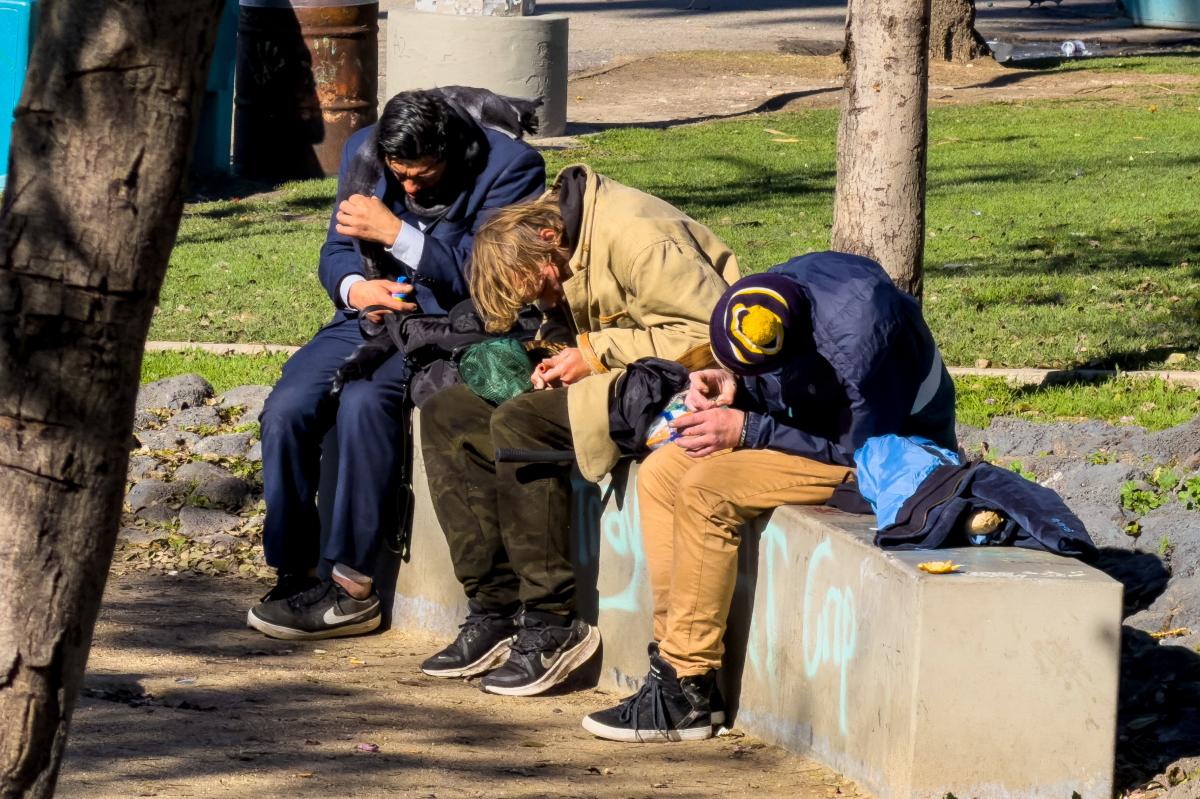
Homelessness has become an overwhelming issue in Los Angeles, particularly among individuals facing mental health challenges. Chief Jim McDonnell of the Los Angeles Police Department reported that approximately one-third of emergency calls are made concerning people with mental health issues. This indicates a rising demand for both mental health and emergency services as the crisis persists.
Emergency Response Strain
In a recent statement, interim LA Fire Department Chief Ronnie Villanueva revealed that nearly a third of all calls to the fire department involve homeless individuals, with trash fires being the leading cause. This reflects the dual burden emergency services face: responding to fires and managing the homeless crisis.
Despite a slight official decrease in the homeless population attributed to spending billions on temporary accommodations, the reality remains complex. Many argue that the significant funds allocated to hotel and motel rooms merely serve as a Band-Aid solution, failing to address the underlying issues such as drug dependency and mental illness.
The Economic Impact of Homelessness
Ironically, Los Angeles now allocates more funding to homelessness than to firefighting, straining city resources. With budget constraints, this results in reduced emergency services, affecting public safety. Should emergency services become overwhelmed, the repercussions could be dire, as shown by last year’s wildfires, which revealed a thinly stretched fire department unable to respond effectively.
Factors Contributing to the Crisis
Numerous factors perpetuate the homelessness epidemic in LA, including:
- Drug Use: The climate and ongoing substance abuse issues contribute to the challenges faced by the homeless population.
- Mental Health Issues: There is a significant overlap between homelessness and mental health disorders, necessitating integrated services.
- Climate: The warm weather in Los Angeles often allows homelessness to persist without the mitigating factors seen in colder climates.
- Enforcement Policies: Lax enforcement of anti-camping ordinances has contributed to the continuation of visible homelessness.
The combination of these elements generates a scenario that not only attracts new homeless individuals to the area but also discourages permanent solutions.
Crime Trends and Police Resources
While overall violent crime rates in LA have been decreasing, this is partly attributed to nationwide trends and changes in law enforcement, such as the replacement of the previous district attorney with Nathan Hochman, who is actively pursuing crime reduction. Despite the drop in crime, police resources are frequently diverted to manage homelessness, impacting their ability to enforce laws and maintain public safety.
Rethinking the Approach
Ending the ongoing cycle of homelessness requires urgent intervention. Simply increasing funds is insufficient; what the city needs is a “tough love” approach that prioritizes the well-being of all LA residents. Ending the cycle of homelessness will involve not only targeted resources but also a shift in how the city addresses this multifaceted problem.
Towards a Sustainable Future
Los Angeles cannot afford to let entire neighborhoods succumb to squalor or become dangerous zones for residents. A renewed focus on sustainable solutions that bring together mental health services, housing initiatives, and law enforcement may provide pathways to rehabilitation and safety for both the homeless and the general public. Addressing these challenges holistically is crucial for transforming Los Angeles into a city that serves all its inhabitants effectively.
For ongoing updates and further reading on this pressing issue, please refer to resources such as The California Post and engage with community discussions on social platforms.
