

The Case for Single Occupancy Cells in California Prisons: A Path to Safety and Rehabilitation
In recent discussions surrounding prison reform, the need for single occupancy cells in California prisons has garnered significant attention. This consideration arises from various safety concerns, particularly in light of current legislation like Assembly Bill 1140, which mandates a pilot program for single occupancy cells across four state prisons.
The Dangers of Double Occupancy Cells
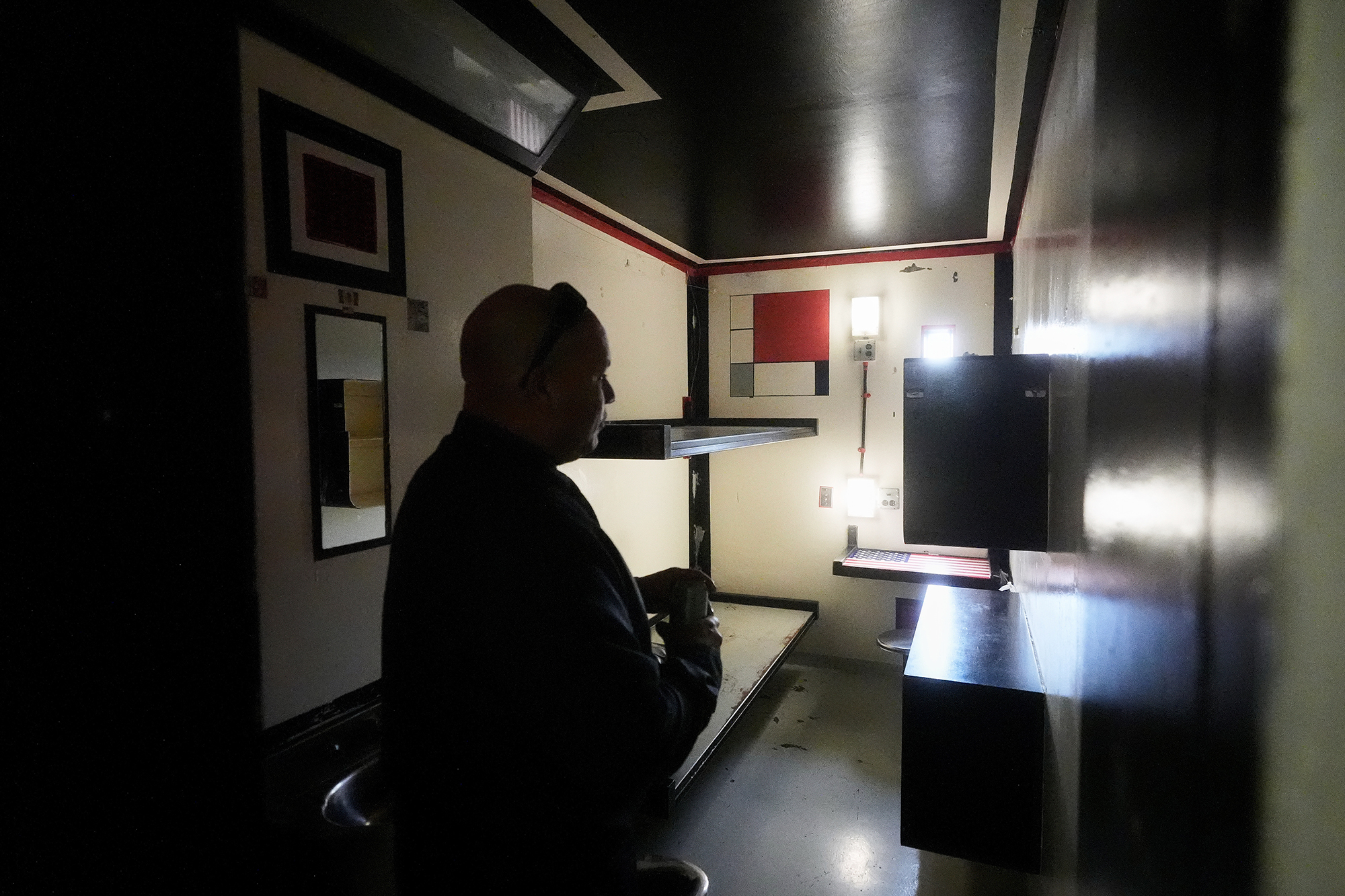
The issue of overcrowded prison conditions has been under scrutiny, especially regarding double occupancy cells. Experts, including the California Peace Officers Association, have highlighted the inherent dangers posed by shared cells. Tensions often run high in these environments, increasing the likelihood of violence. In a shared cell, correctional officers frequently find themselves needing to intervene, which can escalate tensions and jeopardize the safety of both inmates and staff.
During the COVID-19 pandemic, the risks associated with double occupancy cells became particularly evident. A Marin County Superior Court judge noted that forcing two inmates to live in cramped conditions—less than 50 square feet with two bunks—heightened their exposure to the virus. Additionally, these conditions affected prison staff, contributing to the tragic loss of life among correctional officers.
Benefits of Single Occupancy Cells
Implementing single occupancy cells presents numerous advantages. Inmates enjoy the opportunity to sleep without the fear of violence and can engage more thoroughly in rehabilitative programming. Furthermore, these cells contribute to a safer working environment for correctional staff, which is vital for overall prison safety.
The discussion surrounding single occupancy cells should not hinge on the idea of using them as rewards for good behavior. For those incarcerated, particularly individuals who have spent years in double occupancy situations, the expectation to consistently demonstrate positive conduct before receiving a single cell is disheartening. Many inmates find themselves trapped in a perpetual cycle of fear, which undermines their ability to act positively.
Reassessing the Approach to Prison Reform
The fundamental responsibility of the California Department of Corrections and Rehabilitation is to ensure the safety and well-being of inmates, independent of their behavior. Thus, the notion of single occupancy cells as a reward is flawed. Research has already established the detrimental effects of overcrowding, indicating that immediate implementation of single occupancy cells does not require a lengthy pilot program or additional spending.
Prisoners, like any other citizens, are entitled to a constitutional right to a safe and healthy environment. This right should not be conditional on their behavior. Instead, the focus should be on providing single occupancy cells as a standard practice to ensure their rights are protected.
Conclusion: A Necessary Move Towards Reform
As California continues to evaluate its prison policies, the need for single occupancy cells must be prioritized. Not only do they promote health and safety among inmates, but they also foster a more conducive environment for rehabilitation. This systemic change is essential for building a safer and more humane correctional system, allowing individuals to focus on self-improvement rather than survival in overcrowded conditions.
Single occupancy cells should no longer be a matter of choice influenced by behavior; they are a fundamental necessity that aligns with the broader goals of justice and rehabilitation within the California prison system. For more information on prison reforms, check out additional resources on California prison policies and the impact of overcrowding on public safety.
This article is an adaptation aimed at highlighting the pressing need for change in California’s prison structure.
