

Understanding California’s Hidden Tort Tax: An Economic Burden
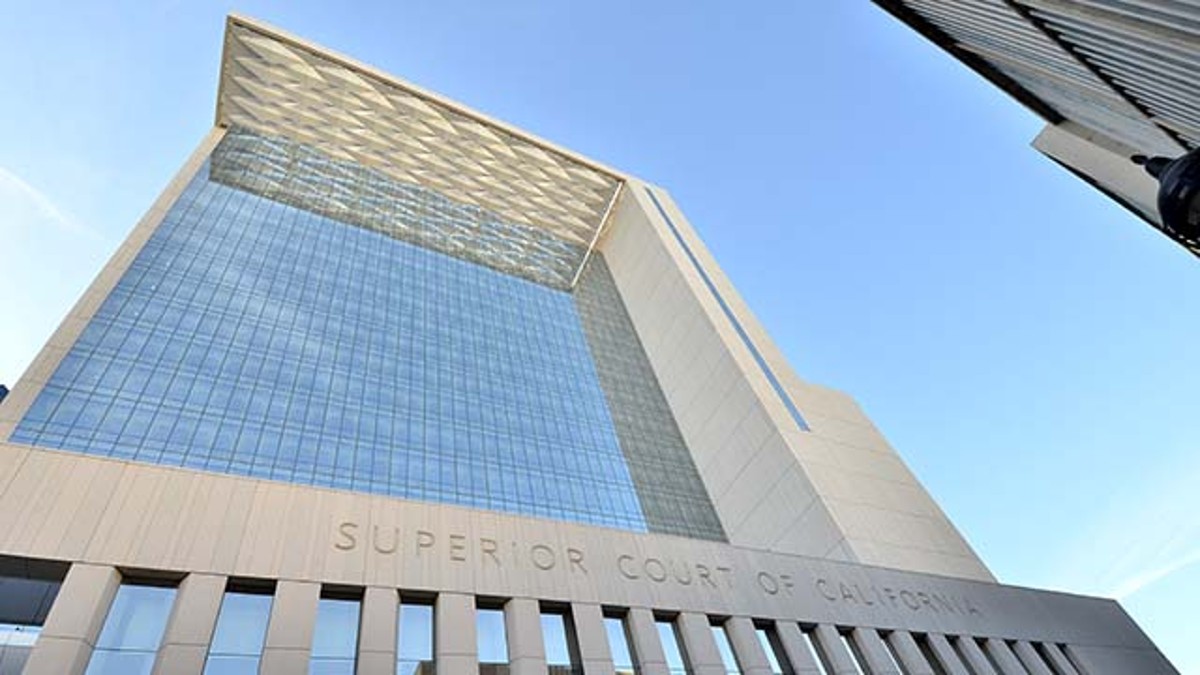
The downtown San Diego Superior Court. (Photo by Chris Stone/Times of San Diego)
Californians are experiencing the escalating costs of living, with conversations around housing, food, energy, and taxes becoming increasingly prevalent. Yet, there exists a less visible financial burden affecting families across the state: the so-called “tort tax.” This hidden tax impacts the economy, escalates prices, and hampers job growth.
What is the Tort Tax?
A recent 2025 economic impact report by The Perryman Group, a prominent economic modeling firm, highlights the negative ramifications of excessive litigation costs. These costs act as a tax on economic activities, diminishing investment, stunting growth, and reducing wages. Shockingly, California’s burdens are among the highest nationwide.
The analysis reveals that California’s tort tax exceeds $2,500 per person annually, positioning the state among the top tiers in the nation, alongside New York and Washington. For an average family, this translates to thousands of dollars each year in increased prices, reduced job opportunities, and lower wages. Unlike legislated taxes, these costs emerge from a civil justice system that is often unpredictable and unbalanced.
Economic Impact of Tort Costs
The economic implications are staggering. High tort costs result in tens of billions of dollars lost in economic output every year in California, along with the loss of hundreds of thousands of jobs. Industries crucial to the middle class, such as retail, real estate, construction, healthcare, and business services, endure the most significant impacts.
These losses manifest in the real world. They can delay small business hiring due to rising insurance premiums, lead medical providers to limit services, or deter entrepreneurs from launching new products due to potential legal risks.
Seeking a Balanced Justice System
This discussion is not an attack on accountability or access to the courts. A fair civil justice system is essential for compensating those genuinely harmed and discouraging dangerous behaviors. However, when the system becomes unpredictable or manipulated for financial gain through exploitative litigation, it no longer serves public interest.
The Perryman Group’s analysis stresses a crucial point for policymakers across the political spectrum: excessive tort costs also result in reduced public revenue. In California, billions in state and local tax revenue are lost annually due to diminished economic activity. This lost revenue could significantly benefit schools, infrastructure, public safety, and environmental initiatives without imposing additional taxes on hardworking families.
Learning from Other States
Some states have adopted targeted reforms resulting in improved judicial efficiency and economic performance while ensuring access to justice for legitimate claims. These reforms include:
- Stricter standards for expert testimony
- Limits on abusive lawsuits
- Clarity in non-economic damage awards
The Need for Reform
California, known for its innovation and economic leadership, faces a competitive disadvantage due to its high tort tax. At a time when businesses and workers can choose their locations, maintaining one of the nation’s highest tort taxes is counterproductive.
Reforming the litigation system is not about closing the doors of justice; it’s about restoring balance, predictability, and fairness. A civil justice system designed to function efficiently can alleviate financial strain on families and businesses, contributing positively to California’s economic future.
Conclusion: A Hidden Tax that Requires Attention
In a state grappling with affordability and competitiveness, it is imperative to confront this significant hidden tax. Reducing excessive tort costs can lead to lower prices, increased job creation, and a healthier long-term economy for California.
For more insights on economic challenges and opportunities in California, explore resources from organizations like California Citizens Against Lawsuit Abuse and the Perryman Group.
