

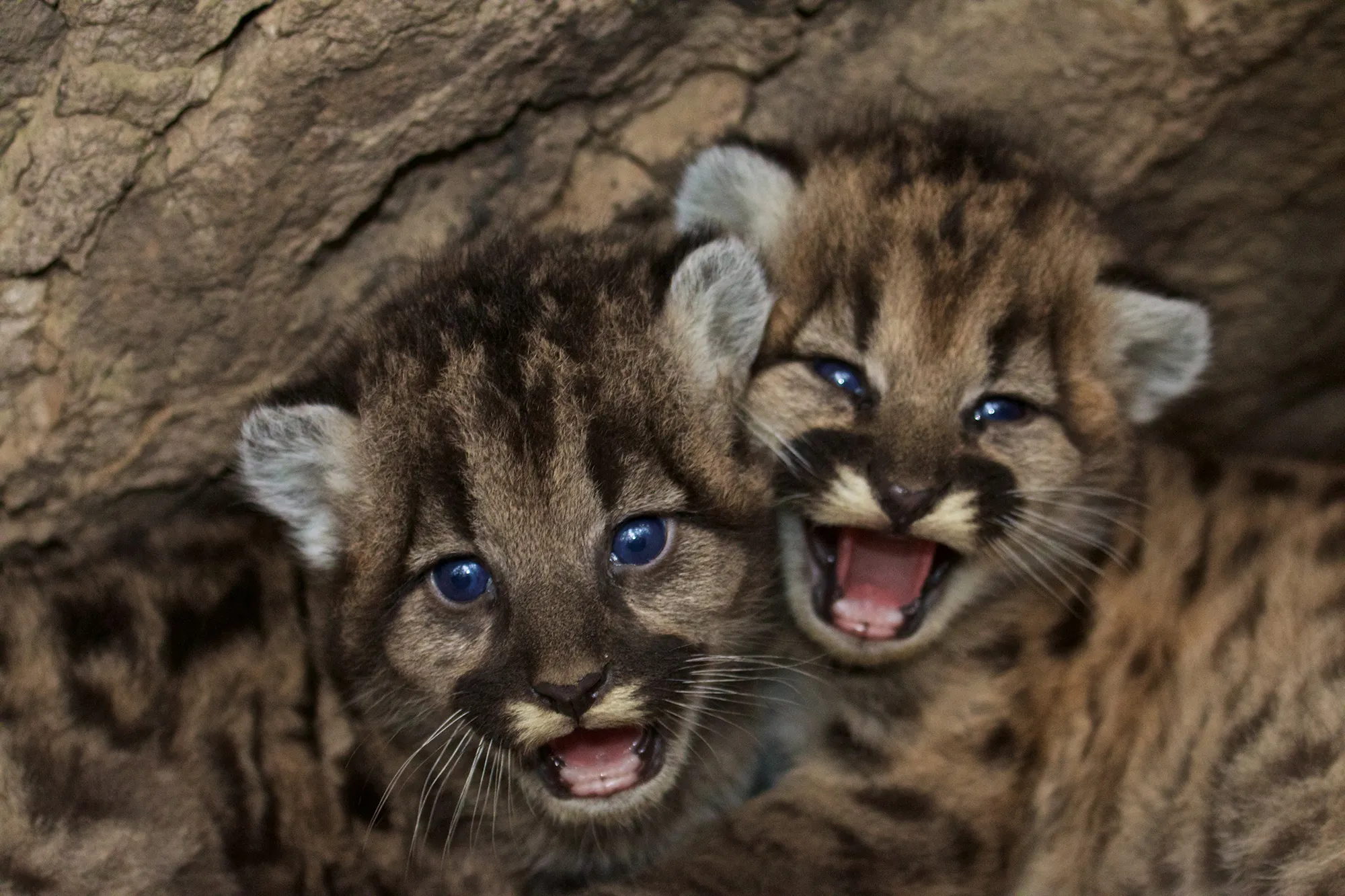
New Protections for California’s Mountain Lions Amid Threats of Extinction
California’s mountain lion populations, iconic predators that roam the coastal mountains from the Bay Area to the Mexican border, have received a crucial lifeline. Just weeks after a mountain lion made headlines by venturing into San Francisco, the California Fish and Game Commission voted unanimously to list six groups of Central Coast and Southern California mountain lions as threatened under the California Endangered Species Act.
Importance of Mountain Lions in Ecosystems
Mountain lions play an essential role in maintaining the balance of ecosystems. As apex predators, they control deer populations, which helps sustain the health of various habitats. Their presence supports a diverse range of wildlife, from scavengers to raptors, by distributing nutrients through their kills. However, urbanization, vehicle strikes, and environmental toxins like rat poison have put these vital creatures at risk of inbreeding and potential extinction.
Threats Facing Mountain Lions
The mountain lion population in California is approximately 4,200, with about one-third residing in the affected regions. Due to loss of habitat, increased road traffic, and other human-induced factors, scientists warn that these mountain lions are facing severe inbreeding risks. Physical signs of inbreeding, such as kinked tails and reproductive issues, highlight the urgent need for intervention.
Ensuring Protection and Habitat Preservation
The decision to list these mountain lions as threatened aligns with California’s existing ban on sport hunting and enhances their protection under the California Environmental Quality Act. This new status may prioritize these animals for conservation funding and promote habitat protections that mitigate the impact of urban development on their populations.
The listing requires state and local agencies to evaluate proposed projects—such as new roads and buildings—for their potential impact on mountain lions and their habitats, thereby reducing habitat fragmentation caused by urban development.
Addressing Concerns from Builders and Residents
While many conservation advocates support the listing, there are concerns from builders and rural residents. Developers have expressed worries about potential increases in project costs and delays due to habitat assessments. Some rural residents argue that heightened protections could lead to more mountain lion encounters that threaten livestock and human safety. However, historical data show that fatal attacks on humans are extremely rare, with only six fatalities recorded in 136 years.
Overcoming a Crisis
Scientists agree that mountain lions are in an “extinction vortex,” with diminishing genetic diversity leading to severe risks for survival. The recent sighting of a mountain lion in San Francisco serves as a stark reminder of the need to connect wildlife habitats. As young males disperse to find new territory, inadequate pathways through urban environments can lead them into perilous situations.
Increasing Connectivity for Wildlife
Efforts are underway in California to create wildlife corridors and improve habitat connectivity through various means, including overpasses and underpasses. These infrastructure projects aim to allow mountain lions and other wildlife to traverse urban landscapes more safely. Increased connectivity is crucial for the survival of populations isolated by highways and city developments.
Conclusion: A Path Forward
The unanimous decision by the California Fish and Game Commission marks a significant step towards safeguarding mountain lions from the brink of extinction. However, balancing the needs of urban development with conservation efforts will be essential for the long-term survival of these crucial predators. As urban landscapes continue to expand, the challenge remains to protect the habitats that these magnificent animals call home.
For further information on California’s wildlife protection laws, visit the California Department of Fish and Wildlife.
