

Understanding the Factors Behind California’s Wildfires
In the aftermath of last year’s devastating wildfires in Los Angeles, state politicians and media quickly directed blame towards oil companies, alleging that their products contribute to climate change. This narrative, however, overlooks some important facts and nuances regarding California’s climate patterns and the historical context of wildfires.
The Climate Change Debate
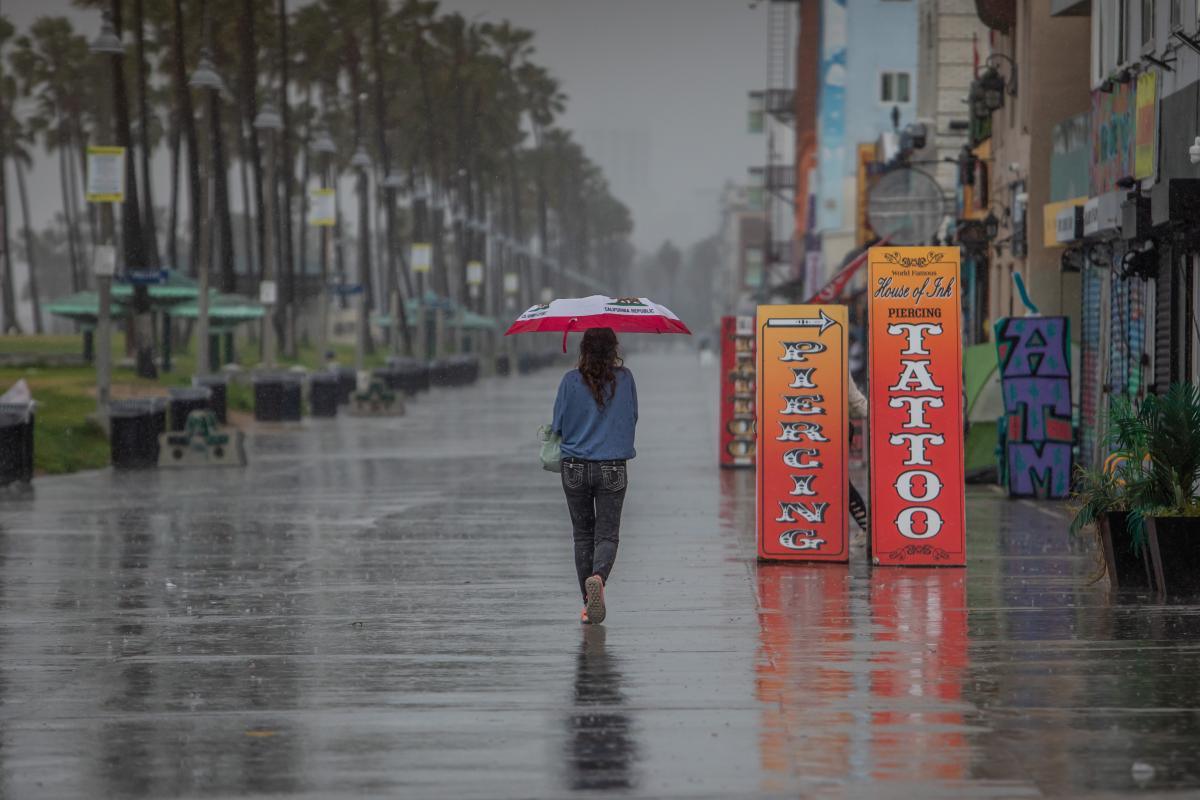
Rep. Dave Min, a Democrat from Irvine, stated that “climate change has wreaked havoc on us” due to its drying effects on foliage. This assertion fails to consider that California has experienced multiple wet winters recently, with rainfall figures in Southern California surpassing average levels this year, as seen in local climate data.
State Senator Scott Wiener from San Francisco echoed similar sentiments, suggesting that the fires exemplify “the new normal in California.” He proposed legislative measures allowing wildfire victims to seek damages from oil companies, aiming to hold them accountable for purported environmental impacts.
Governor Gavin Newsom weighed in during the Munich Security Conference, asserting that residents are “burning up, choking up, heating up,” implying that wildfires are a modern phenomenon directly tied to oil consumption. This perspective, while popular, neglects the historical occurrence of wildfires prior to the widespread use of oil.
Examining Drought Claims
Over the last year, investigations into the real causes of wildfires have pointed towards political mismanagement rather than solid scientific conclusions. The U.S. Drought Monitor (USDM), a federally funded organization, indicates California has experienced drought conditions approximately 61% of the time since the year 2000, suggesting a drastic increase in drought frequency compared to earlier data.
However, attempting to validate the USDM’s findings reveals inconsistencies. Critics, including researchers at the California Policy Center, have struggled to reproduce the USDM’s alarming conclusions. The lack of a transparent algorithm to assess drought classifications raises concerns about potential biases in the data interpretation process.
Rainfall Trends and Historical Context
When analyzing rainfall data since 2000, studies show that the precipitation levels are only 1.4% lower than the century-long average. Other metrics like temperature and humidity display little to no significant change. The data indicates that California’s climate, in terms of rainfall and temperature, remains relatively stable compared to historical patterns.
For instance, looking specifically at Los Angeles, rainfall records since 1877 reveal significant fluctuations, showcasing periods of drought interspersed with heavy rainfall. This phenomenon, termed “hydroclimate whiplash” by UCLA climate researcher Daniel Swain, reflects natural climate variability rather than solely human-induced climate change.
Historical accounts support this narrative, as chroniclers noted severe weather shifts even before modern records began. A notable example includes the intense rainfall and subsequent drought experienced in California during the early 1860s.
Policy Implications and Future Considerations
The perception of an ongoing drought has led to harsh water-rationing measures, complicating life for both agricultural and urban water users. Policymakers have attempted to phase out the state’s oil industry and pledged to end the sale of gas-powered vehicles within a decade.
Many cities and counties are also proposing bans on gas appliances, including stoves and heaters. However, a more effective approach would involve recognizing the inherent volatility of California’s rainfall and investing in infrastructure that can better manage drought conditions. Potential solutions could include expanding reservoir capacity and building desalination plants along the coastline.
Overall, a balanced and reality-based understanding of California’s climate challenges, rather than a reactionary, politically driven agenda, may provide more effective long-term solutions to mitigate the impacts of wildfires and resource management.
For more information on climate data and the impact of wildfires, you can explore resources from institutions like the U.S. Drought Monitor and the National Oceanic and Atmospheric Administration.
This article aims to provide a comprehensive view of the complexities surrounding California’s wildfires and the climate debate, drawing from historical data and recent analyses to foster a more nuanced understanding.
