

Rescue Efforts Underway for Trapped Skiers Amidst Blizzard Conditions in Northern California
SAN FRANCISCO (AP) — In a dramatic and challenging rescue operation, crews are working through blizzard conditions to reach six backcountry skiers trapped after an avalanche in the Northern California mountains. The avalanche, which occurred on Tuesday, left ten other skiers unaccounted for, adding urgency to the already perilous situation.
Avalanche Strikes in Rugged Terrain
The emergency response began at Frog Lake in the Castle Peak area, located northwest of Lake Tahoe. A 911 call was received around 11:30 a.m. reporting the avalanche, coinciding with a major winter storm impacting the state. According to Ashley Quadros, a spokesperson for the Nevada County Sheriff’s Office, six skiers were successfully located, and they were advised to “shelter in place” until rescuers could reach them.
Steve Reynaud, an avalanche forecaster with the Sierra Avalanche Center, described the group as being on the final day of a three-day backcountry skiing trip. The skiers had spent two nights at mountain huts and were navigating difficult terrain that required a four-mile trek while carrying all necessary supplies.
Communication and Progress of Rescue Operations
Authorities were alerted to the avalanche by both the ski tour company and the emergency beacons the skiers carried. Capt. Russell Greene of the Nevada County Sheriff’s Office confirmed that the stranded skiers were in touch with rescue teams through their beacons. They have created a makeshift shelter using a tarp to protect themselves as they wait for assistance.
Greene noted that the rescue teams are proceeding with extreme caution due to the high risk of further avalanches in the area. “We have deployed snowcats, snowmobiles, and personnel on skis,” he stated. “It’s going to be a slow, tedious process.”
Backcountry Skiing Risks
The ski tour company, Blackbird Mountain Guides, confirmed its coordination with authorities for the rescue mission, involving twelve clients and four guides. This comes during a week of severe winter weather, with thunderstorms, heavy snowfall, and high winds affecting the Sierra Nevada region, creating hazardous backcountry conditions.
Brandon Schwartz, Tahoe National Forest’s lead avalanche forecaster at the Sierra Avalanche Center, emphasized the danger posed by rapidly accumulating snow combined with strong winds, prompting an avalanche warning for the region. The Central Sierra Nevada and Greater Lake Tahoe areas have been advised to exercise extreme caution.
Notable Weather Impact Across the Region
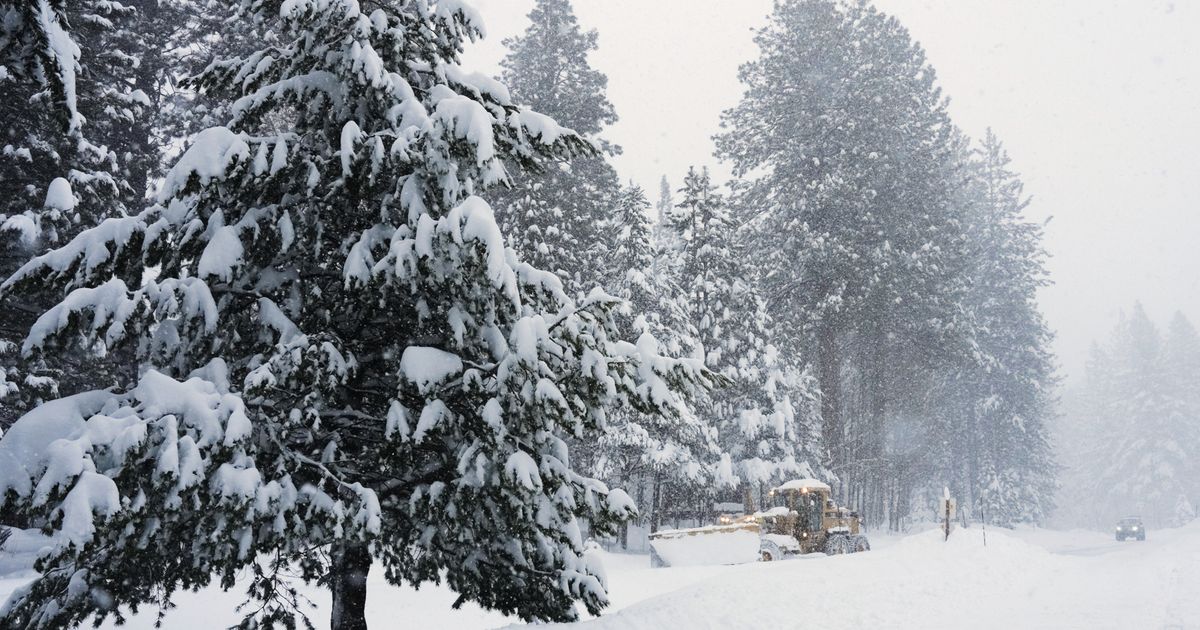
As the storm continues to batter California, several ski resorts around Lake Tahoe have temporarily closed due to the extreme weather conditions. While some resorts have avalanche mitigation programs, travel in backcountry areas remains highly discouraged as risks escalate.
Castle Peak: A Historical Perspective
Castle Peak, towering at 9,110 feet (2,777 meters), is a hotspot for backcountry skiing enthusiasts. However, it holds a dark historical significance related to the notorious Donner Party, who faced dire circumstances in the winter of 1846-1847. This tragic event serves as a reminder of the inherent dangers of winter exploration in the Sierra Nevada.
Weather Forecast and Ongoing Risks
On the ground, reports indicated that nearby Soda Springs received over 30 inches (76 centimeters) of snowfall within 24 hours, and further forecasts predict up to eight feet (2.4 meters) in some areas before the storm subsides. The adverse weather has contributed to hazardous road conditions, and traffic on Interstate 80 was temporarily halted due to accidents and spinouts.
Past incidents in the region serve as stark warnings; an avalanche last January resulted in a fatality, underscoring that each winter, approximately 25 to 30 lives are lost in avalanches across the U.S., according to the National Avalanche Center. To mitigate risks, training in avalanche assessment and safety is highly recommended for individuals engaging in backcountry skiing.
For those intrigued by backcountry skiing, it’s crucial to bear in mind the differences between backcountry and cross-country skis. Backcountry skis are tailored for navigating untouched terrain, making them suitable for more adventurous skiing experiences.
Learn more about avalanche safety and current conditions in the Sierra Nevada.
As rescue efforts continue, the situation remains fluid, with updates expected as crews navigate the challenges posed by both the terrain and ongoing winter storm conditions.
