

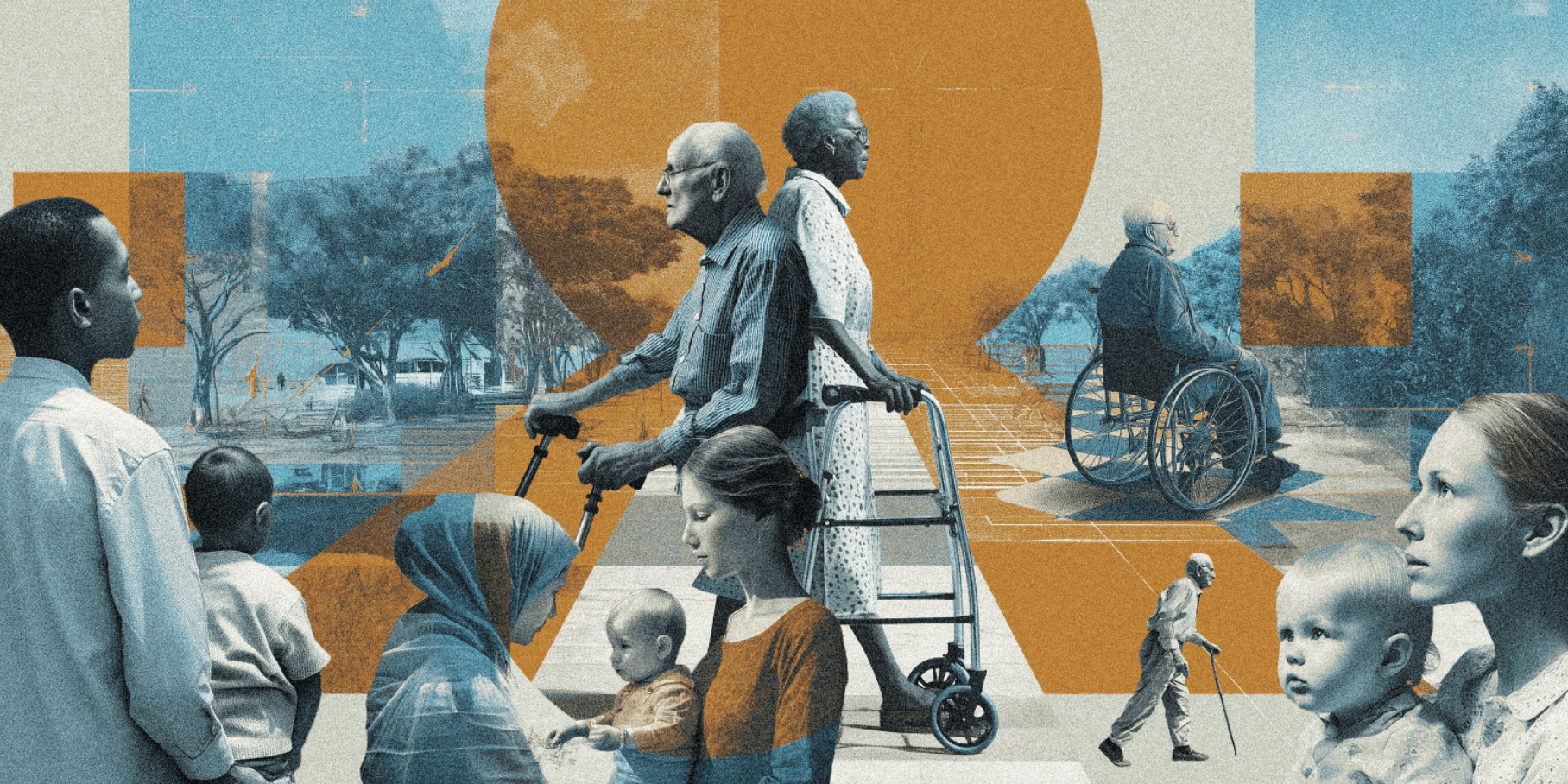
Rethinking California’s Care Economy: From Scarcity to Abundance
In our lives, we all rely on the care of others—whether through family, healthcare professionals, or caregivers. This reliance is crucial for personal well-being and societal progress. However, in California, despite our strong communities, many still face challenges in accessing essential care services. This article explores the necessary steps to transition from scarcity to abundance in the care economy.
The Importance of a Well-Functioning Care System
When care systems are effective, children are nurtured, parents find affordable childcare options, families are free from debilitating medical debt, and older adults can age with dignity. However, California’s current care framework leaves much to be desired. Addressing this urgency requires innovative solutions from policy experts.
Innovative Policy Approaches for Childcare
California’s childcare sector is in crisis, with only one in four children having access to the care they require. Policy expert Anna Powell identifies this issue as a structural market failure. The high costs of providing care heavily burden childcare providers, making it difficult for them to sustain operations efficiently. Parents, often facing financial constraints, cannot afford to pay higher rates, leading to low care availability and stagnant worker compensation.
Solutions for Abundant Childcare
To overcome these challenges, Powell advocates for sustained public investment in the childcare sector. Key recommendations include:
-
Investing in Workforce: To attract and maintain a stable childcare workforce, compensation and working conditions need significant improvements. By doing so, we can create a more robust supply of care options for families.
-
Expanding Facilities: State investment in childcare facilities must align with local funding structures and planning. This investment aims to increase physical capacity and expand the range of services available, especially in high-need areas.
By implementing these strategies, California can move beyond scarcity, ensuring accessible childcare for all families.
Transforming Healthcare: From Treatment to Prevention
In the healthcare system, California experiences a significant paradox: soaring healthcare spending—$405 billion in 2020—yet uneven health outcomes. Policy expert Leif Haase emphasizes the need for reforms that enhance access to primary care, particularly in underserved communities.
Strategies for Improved Healthcare Access
To address these gaps, Haase suggests a comprehensive approach that includes:
-
Strengthening the Primary Care Workforce: Increasing residency slots and diversifying healthcare providers can alleviate shortages in primary care, particularly in rural settings.
-
Support Telehealth Expansion: Telehealth can improve service availability, breaking down geographic barriers to care for those who need it most.
Haase asserts that focusing on social determinants of health—like housing and nutrition—is equally vital. Programs like CalAIM can create integrated health and social services, fostering healthier communities.
Addressing the Eldercare Gap: Meeting Diverse Needs
Many older adults wish to remain in their homes as they age, yet the current eldercare system struggles to meet this demand. Policy expert Mireille Jacobson highlights the urgent need for reforms to enhance long-term services and supports for California’s aging population.
Bridging the “Missing Middle”
Jacobson notes that between limited home-based services and costly nursing facilities lies a significant gap for low- and middle-income seniors. Addressing this “missing middle” can create more affordable and appropriate options for eldercare.
Recommended strategies include:
-
Streamlining Licensure: By reducing restrictive scope-of-practice regulations, more trained aides can legally deliver necessary care, improving service access without incurring high costs.
-
Aligning Medi-Cal Reimbursements: Adjusting Medi-Cal policies can reduce administrative fragmentation and improve equity in service delivery.
Towards a People-Centered Care Model
For California’s care economy to thrive, it’s essential to adopt a people-centered approach. By aligning investments and reforms, the state can expand care access and ensure that quality services are not solely reserved for those with ample resources. The goal is to create a sustainable ecosystem that serves all generations effectively.
Conclusion
In summary, California stands at a crossroads in shaping its care economy. By addressing the structural deficiencies in childcare, healthcare, and eldercare, we present a unified approach that prioritizes people over profit. Through sustained investment and targeted policy reforms, abundant care can become a reality for individuals at every stage of life, fostering public health and economic well-being for all Californians.
For more insights and resources on improving California’s care system, visit the UC Berkeley Possibility Lab’s Abundance Accelerator.
