

Unprecedented Mosquito Surge in Southern California: What You Need to Know
Residents throughout Southern California are expressing growing frustration as an unexpected surge in mosquito activity has prompted numerous complaints. Many locals are nursing itchy bites, attributing their discomfort to two primary causes: unusual weather patterns and the proliferation of an invasive mosquito species.
Unusual Weather Patterns Extend Mosquito Season
Typically, the mosquito season in Southern California runs from early May to October. However, vector control districts in Los Angeles, Orange, and Ventura counties report a striking ↑ increase in mosquito incidences far earlier than usual. For instance, Orange County experienced a staggering fivefold increase in mosquito numbers between January and February compared to the five-year average, according to Brian Brannon, public information officer for Orange County’s Vector Control District.
In these counties, reports of mosquito-related complaints have skyrocketed with the number of service calls exceeding 50—a sharp rise from the 5 to 10 calls typically received during this period.
The Perfect Storm for Mosquito Breeding
Optimal Breeding Conditions
Mosquitoes require standing water to breed, and heavy rainfall in December and early February has created perfect spawning grounds. Susanne Kluh, general manager of the Greater Los Angeles County Vector Control District, explains:
“Major rainfall followed by warmer temperatures was a catalyst for the mosquitoes. We started seeing them breed in residential areas more than ever before.”
Mosquitoes complete their life cycles predominantly in water within a span of two weeks. However, various environmental factors can either speed up or slow down this timeline significantly. The warm weather in January further accelerated their activity, causing them to emerge sooner than anticipated.
Previous occurrences have shown that inconsistent weather drastically impacts mosquito populations. For instance, a series of rain events followed by Tropical Storm Hilary in September 2023 led to similar mosquito outbursts even during off-peak months.
Invasive Species: A Growing Concern
The Role of Aedes aegypti
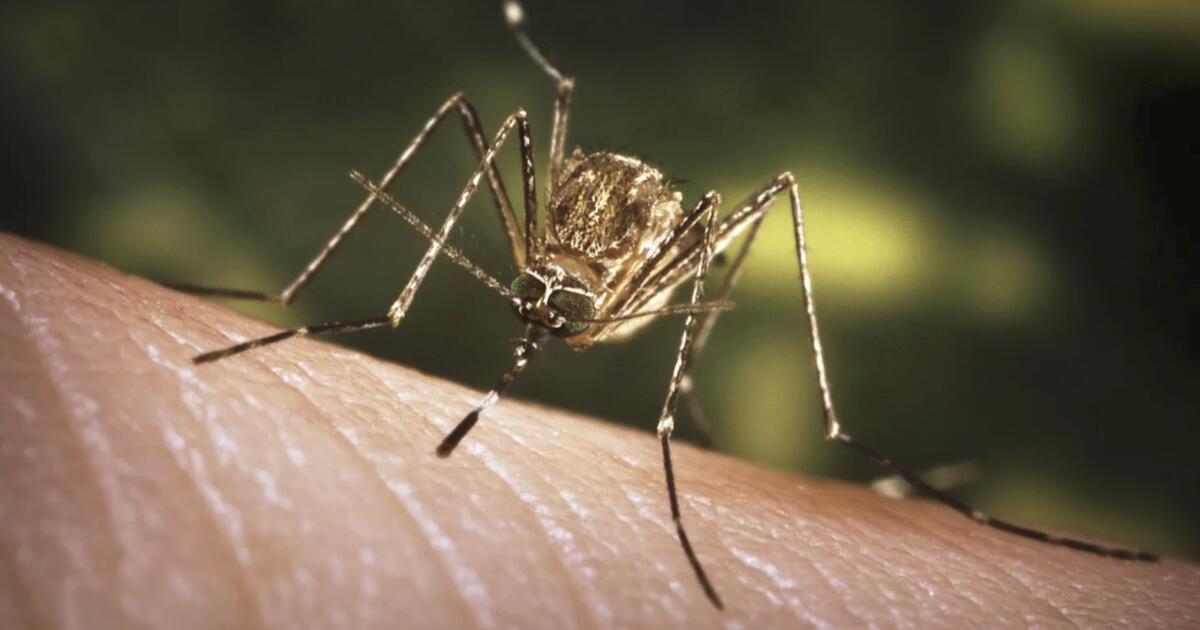
Southern California is home to two main categories of mosquitoes: the native Culex mosquitoes and the invasive Aedes aegypti. While Culex mosquitoes primarily feed on birds and are known carriers of West Nile virus, Aedes aegypti mosquitoes prefer humans and can bite multiple times before taking a blood meal.
Local experts have observed a worrying trend: the population of Aedes aegypti has been steadily increasing as they adapt to Californian climates. Kluh suspects that these mosquitoes may not fully go into hibernation during winter, making them particularly active once temperatures rise.
Mosquito Surveillance Adjustments
Due to the unusual activity levels, vector control authorities are considering adjustments to traditional mosquito surveillance practices. Though mosquito traps usually aren’t set until early March, Kluh indicates a likelihood of implementing reduced winter monitoring.
What Lies Ahead: Predictions for Peak Summer Activity
Looking forward, the mosquito population dynamics for the summer remain uncertain. Factors such as spring rainfall and temperature fluctuations will critically influence mosquito activity. Cary Svoboda, a Ventura County vector control supervisor, highlights that tropical weather patterns can lead to explosive population growth.
Best Practices to Minimize Mosquito Activity
Eliminate Standing Water
To combat the mosquito invasion, property owners are urged to eliminate standing water where mosquitoes can breed. Even the tiniest puddle, like that found in a bottle cap, can serve as a breeding ground for Aedes aegypti.
Use Insect Repellents
As the moisture from recent rains begins to diminish, it’s advisable to continue applying insect repellent when outdoors. This preventive measure can effectively reduce mosquito bites and enhance outdoor activities.
For more information on mosquito control strategies, explore EPA’s guidelines on mosquito life cycles and effective preventative measures.
As Southern California grapples with this unprecedented mosquito activity, understanding the causes and taking precautionary measures can help residents enjoy their time outdoors without the annoyance of pesky bites. Stay vigilant and protect your outdoor spaces from these biting nuisances.
