

California Drivers Brace for Rising Gas Prices Amid U.S.-Iran Tensions
The recent U.S. attack on Iran is poised to significantly affect gas prices for Californian drivers, with potential increases likely to be felt in a matter of weeks.
Impact of Middle East Conflict on Gas Prices
The ongoing upheaval in the Middle East has virtually shut down a vital shipping lane in the Persian Gulf, resulting in a hefty spike in Brent crude oil prices. Earlier this week, the price per barrel soared by nearly $10, reaching up to $82.37 before slightly stabilizing. This increase sets a troubling precedent for fuel costs, especially in California, where gas prices are already significantly higher than the national average.
How Oil Prices Influence Pump Costs
According to Severin Borenstein, the faculty director of the Energy Institute at UC Berkeley’s Haas School of Business, every dollar increase in crude oil prices translates to an approximate 2.5-cent hike at the gas pump. Consequently, Californians might soon face a minimum increase of 20 cents per gallon. However, the actual impact on consumer wallets will depend on the unpredictability of the ongoing conflict. Borenstein remarked, “The oil markets are currently operating in a state of extreme volatility, and we cannot predict whether the conflict will escalate or resolve quickly.”
Current Gas Prices in California
As of now, the average cost of a gallon of regular gas in California stands at $4.66, reflecting a 3-cent increase from last week and 30 cents more than a month ago, according to AAA. This is a stark contrast to the national average of approximately $3 per gallon. The situation is exacerbated by the annual transition to California’s summer-blend gasoline, which is designed to be less volatile during high temperatures, often causing a price spike of at least 15 cents.
Factors Driving Up California Gas Prices
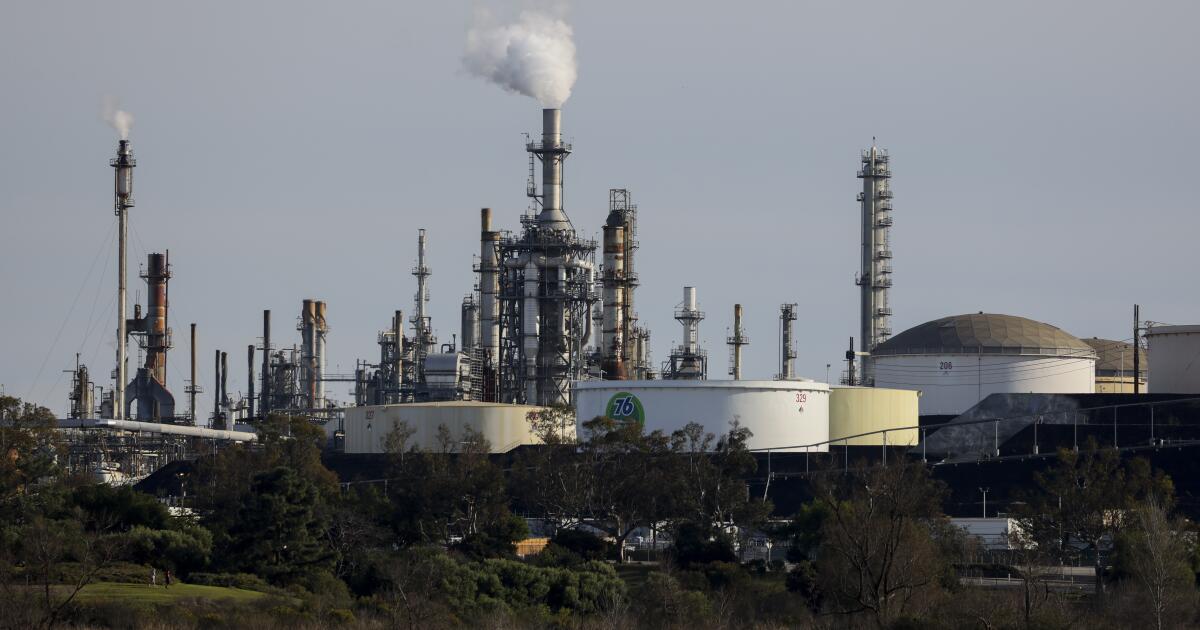
Californian gas costs are primarily influenced by elevated taxes and a cleaner fuel blend mandated year-round to combat pollution. This issue has long been a contentious topic in state politics. Recent refinery closures, including the historic Phillips 66 refinery in Wilmington and plans to idle the Valero refinery in Benicia, have reduced the state’s refining capacity by about 18%.
Additionally, California’s declining crude oil production has increased its reliance on international oil imports. In 2024, only 23.3% of the crude oil refined in the state was sourced locally, with the rest coming from Alaska and locations around the world, including approximately 30% from the Middle East.
Jim Stanley, a representative of the Western States Petroleum Association, warned that a disruption in Middle Eastern oil supplies could lead to “a supply crunch and real price volatility.”
The Geopolitical Landscape of Oil Supply
The Strait of Hormuz, through which about 20% of the world’s oil is transported, faced significant operational challenges following the U.S. attack on Iran. In retaliation, Iran launched missiles targeting neighboring Gulf states, including Saudi Arabia, which successfully intercepted some of these threats.
Political Ramifications in California
California Republicans, along with the California Fuels and Convenience Alliance, a trade group for fuel marketers and gas station owners, have attributed rising gas prices to Governor Gavin Newsom’s policies. Newsom’s landmark climate law aims for the state to achieve carbon neutrality by 2045, effectively phasing out oil extraction. Yet, in a shift in policy last year, he signed a bill allowing for up to 2,000 new oil wells annually in Kern County, which generates about three-quarters of the state’s crude oil.
Economic Perspectives
Borenstein doubts that these new wells will significantly lower gas prices because they remain marginally cheaper than imported oil. Meanwhile, Stanley stated that the recent legislative changes are intended to support the Kern County oil industry, especially amidst pipeline closures that threaten supply streams to state refineries.
The oil industry is crucial for California’s economy, supporting over 535,000 jobs and contributing approximately $166 billion to economic activity, alongside $48 billion in taxes, as reported by the Los Angeles County Economic Development Corporation.
Conclusion
As tensions in the Middle East continue, Californian drivers should prepare for potential gas price hikes at the pump. The geopolitical landscape will significantly influence costs, compounded by state policies and market conditions, rendering it necessary for consumers to stay informed.
