

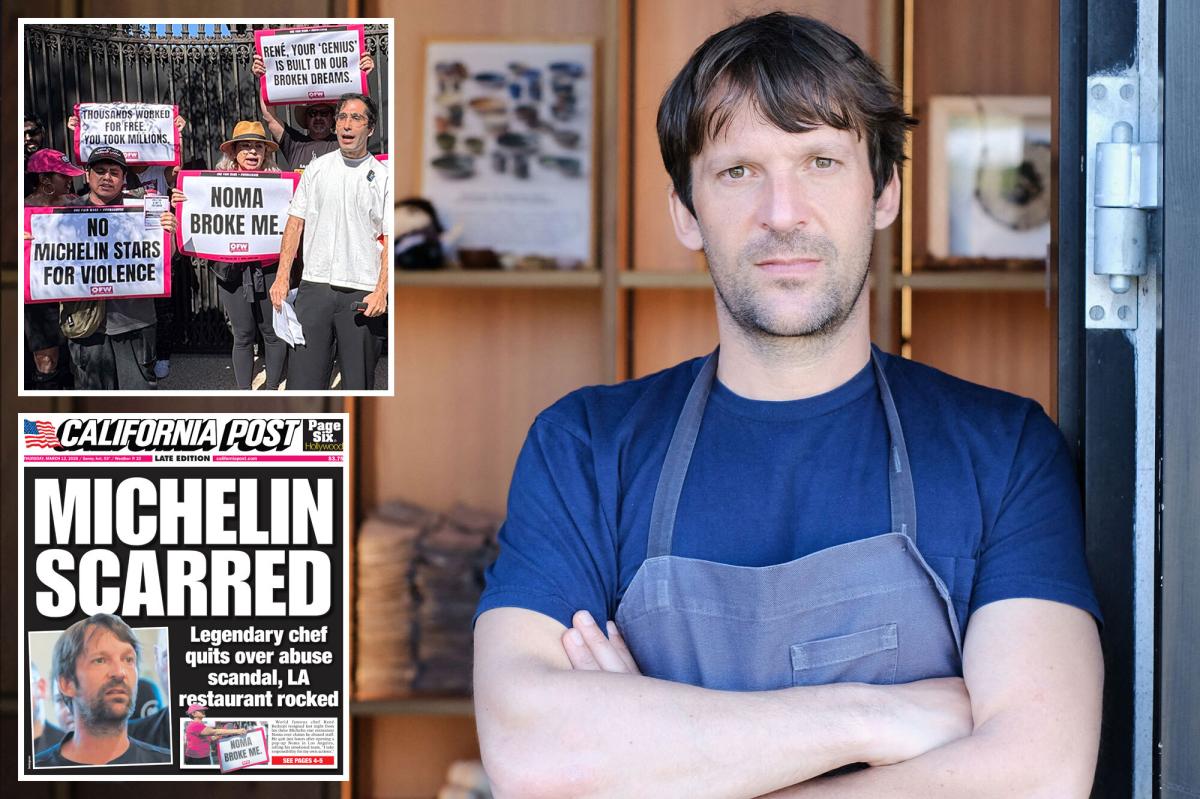
Chef René Redzepi Resigns Amid Controversy Surrounding Noma’s LA Pop-Up
Chef René Redzepi, founder of the acclaimed restaurant Noma, has stepped down from his role managing the restaurant group following increasing scrutiny and protests regarding his $1,500-per-person pop-up event scheduled for Los Angeles.
In his official statement, Redzepi emphasized that “Noma is bigger than any one person,” a sentiment that resonates in the world of high-end dining. Renowned establishments rely heavily on the teamwork of dedicated cooks, dishwashers, and sous chefs, all of whom contribute to the restaurant’s success. While visionary leadership is vital, it’s the collective effort of the entire staff that ultimately sustains high-caliber operations.
René Redzepi, chef and co-owner of the Danish restaurant Noma.
The backlash surrounding Redzepi’s leadership appears to stem not just from isolated criticism within culinary circles but also from external pressures, including financial backers and sponsors who may have grown uneasy. In the restaurant industry, the influence of investors can prompt rapid changes, especially in light of organized protests that included professionally printed signs and unified messaging.
The Cultural Impact of Protests
Protests against Redzepi were particularly poignant given his reputation as a progressive chef advocating for various social causes. Operating within a cultural landscape that often takes cancel culture seriously added layers of complexity to the situation. When critiques come from allies, the pressure to act can intensify, forcing swift decisions.
Speculation is rife that Redzepi might retreat to Denmark to regroup before possibly returning to the culinary scene with a revised approach. This future narrative could center around innovative, kinder kitchen practices that do away with the historically harsh culture often seen in elite gastronomy.
A Shift in Culinary Leadership
Prominent chefs such as Eric Ripert of Le Bernardin have successfully demonstrated that kitchen environments can be maintained with compassion rather than fear and anger. Ripert advocates for “kindness over chaos” in his kitchens, which stands in stark contrast to the idea that high-stakes culinary excellence must rely on intimidation. Anthony Bourdain was another influential figure who championed supportive kitchen atmospheres over negative ones.
This raises a pertinent question: what will happen next in the ongoing dialogue surrounding kitchen culture? While Redzepi’s resignation may address immediate outrage, the underlying challenges within the restaurant industry remain complex and multifaceted.
Bigger Issues at Play
The protests, while rewarding for those involved, may shift focus beyond individual chefs to broader industry reforms. In California, such movements often lead to calls for increases in wages and new labor regulations. However, these changes frequently don’t benefit small, independent restaurants that operate on narrow margins and might inadvertently lead to further closures.
Pragmatic solutions, like cutting payroll taxes to help workers take home more pay, could prove more effective. Additionally, reforming the Private Attorneys General Act (PAGA) to ensure workers see the majority of settlement funds would yield tangible benefits, yet these discussions are often sidelined amidst public outcry.
Conclusion
René Redzepi’s resignation highlights pressing issues that extend well beyond any single chef. As the culinary world grapples with evolving standards and expectations, the path toward improving conditions for all workers remains a complex endeavor. Addressing the structural, economic, and political challenges at play is crucial in reshaping the future landscape of the restaurant industry.
For further insights into the changing dynamics of culinary leadership and workplace culture, visit Noma’s Official Website and explore various perspectives from industry leaders.
