

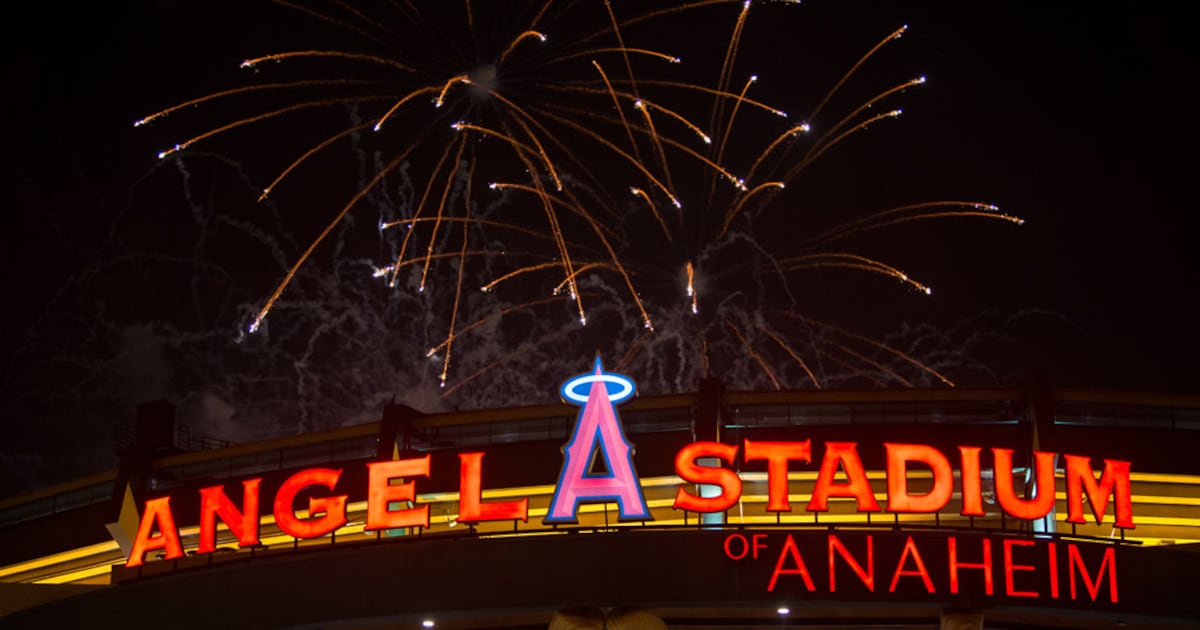
California Legislation Targets Angels’ Name Change and Stadium Deal
California Assembly member Avelino Valencia has introduced a significant piece of legislation aimed at ensuring the Anaheim Angels name remains associated with the team. This proposed law, known as the Home Run for Anaheim Act, seeks to condition any sale or new lease of Angel Stadium on the team reverting to its original name. This legislative move highlights growing concerns regarding the branding and identity of the team, especially in light of its current owner Arte Moreno’s decisions.
Background on the Legislation
Valencia’s legislation emerges as Anaheim’s mayor, Ashleigh Aitken, has called on the city attorney to investigate whether the Angels have breached their current lease by removing the Anaheim name from official documents. If successful, Valencia’s bill could revolutionize the way Angel Stadium’s future is negotiated and managed.
Conditions for Stadium Development
One of the key provisions within the Home Run for Anaheim Act states that any redevelopment of the stadium’s surrounding parking lots would require the team to incorporate the Anaheim name. This stipulation seeks to solidify the city’s identity in sports and prevent the team from distancing itself from its roots.
Current Lease and Future Implications
The Angels currently operate under a lease that extends through 2032, with potential options to extend until 2038. Notably, if the city succeeds in obtaining an exemption from the Surplus Land Act— a regulation that mandates public property be prioritized for public housing— the team could not engage in purchasing or leasing Angel Stadium unless it refers to itself as the Anaheim Angels in all materials.
For more detailed information regarding stadium leases and the Surplus Land Act, please refer to the Los Angeles Times’ analysis on recent developments.
A Part of a Broader Movement
This legislative effort may not only reshape the Angels’ identity but also reflects broader trends in American sports governance, where teams’ local identities are becoming increasingly linked to community sentiments. The outcome of this ongoing situation in Anaheim could set a precedent that influences how other municipalities negotiate with professional sports teams.
In conclusion, the ongoing discussions surrounding the Home Run for Anaheim Act signal an important chapter in the relationship between local municipalities and their sports teams. As this issue unfolds, both fans and stakeholders will be closely monitoring the implications of this legislation on the future of Angel Stadium and the team’s long-standing legacy in Anaheim. For continual updates on this story, check back with local news and sports outlets.
