

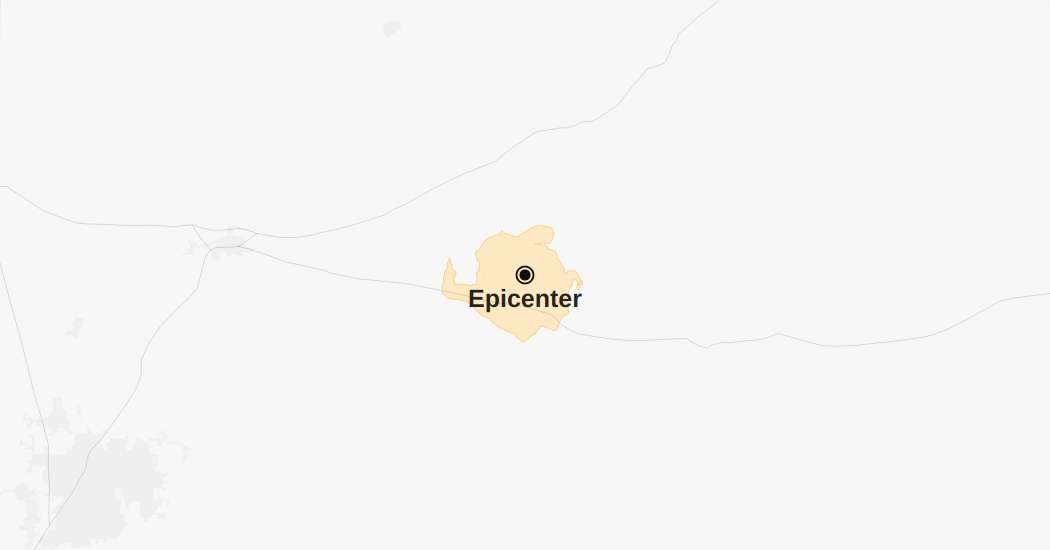
Southern California Experiences 4.1 Magnitude Earthquake
On March 27, 2026, a light earthquake measuring 4.1 on the Richter scale struck Southern California, according to the United States Geological Survey (USGS). The seismic event occurred at precisely 3:13 p.m. Pacific Time, roughly 16 miles northwest of Ludlow, California.
Understanding the Earthquake’s Magnitude
Initially reported as a 4.3-magnitude quake by the USGS, the magnitude has since been adjusted as seismologists continue to analyze data from the event. As with many earthquakes, the USGS may update the reported intensity and additional information regarding its impact in the coming days.
Shake Intensity: What It Means
The USGS categorizes tremors with a shake intensity of 3 or greater as “weak,” though this does not discount that residents outside the mapped area may have felt the quake. For those interested, further information on the Modified Mercalli Intensity scale can provide insight into how shaking intensity is measured.
Aftershocks: What to Anticipate
Following an earthquake, aftershocks typically occur as minor adjustments on the fault line that shifted during the initial quake. These smaller earthquakes can happen days, weeks, or even years after the primary event. In some cases, aftershocks can match or exceed the magnitude of the original quake, posing risks to already affected areas.
Potential for Aftershocks
Residents in Southern California should remain alert for potential aftershocks that may follow the main tremor. Historical patterns show that aftershocks can vary in intensity, and ongoing monitoring by the USGS can help keep the public informed about any new seismic activity in the region.
Recent Earthquake Activity within 100 Miles
Monitoring earthquake activity is crucial in high-risk zones such as Southern California. The USGS continuously tracks seismic events within a 100-mile radius. This data helps inform individuals living in or visiting the area about the frequency and intensity of nearby earthquakes, enhancing awareness and preparedness.
Conclusion
The recent 4.1-magnitude earthquake in Southern California is a reminder of the region’s seismic volatility. It underscores the importance of preparedness and understanding seismic events and their potential impact. Communities are encouraged to stay updated through official channels like the USGS Earthquake Hazards Program for real-time data and safety recommendations.
For further reading on earthquake preparedness, including steps you can take to safeguard yourself and your family, visit Ready.gov. Understanding the nature of earthquakes can help mitigate risks and ensure safety in times of seismic activity.
