

Betting on Politics in California: A Controversial Look at Prediction Markets
In a state that outright bans online sports betting, California finds itself in an intriguing situation: residents can legally place bets on political outcomes. As of now, over $13 million has been wagered on platforms like Kalshi and Polymarket regarding the upcoming California governor’s race. Moreover, bettors are also speculating on broader political questions, such as whether a proposed billionaire’s tax will make it onto the ballot.
Concerns Over Election Integrity
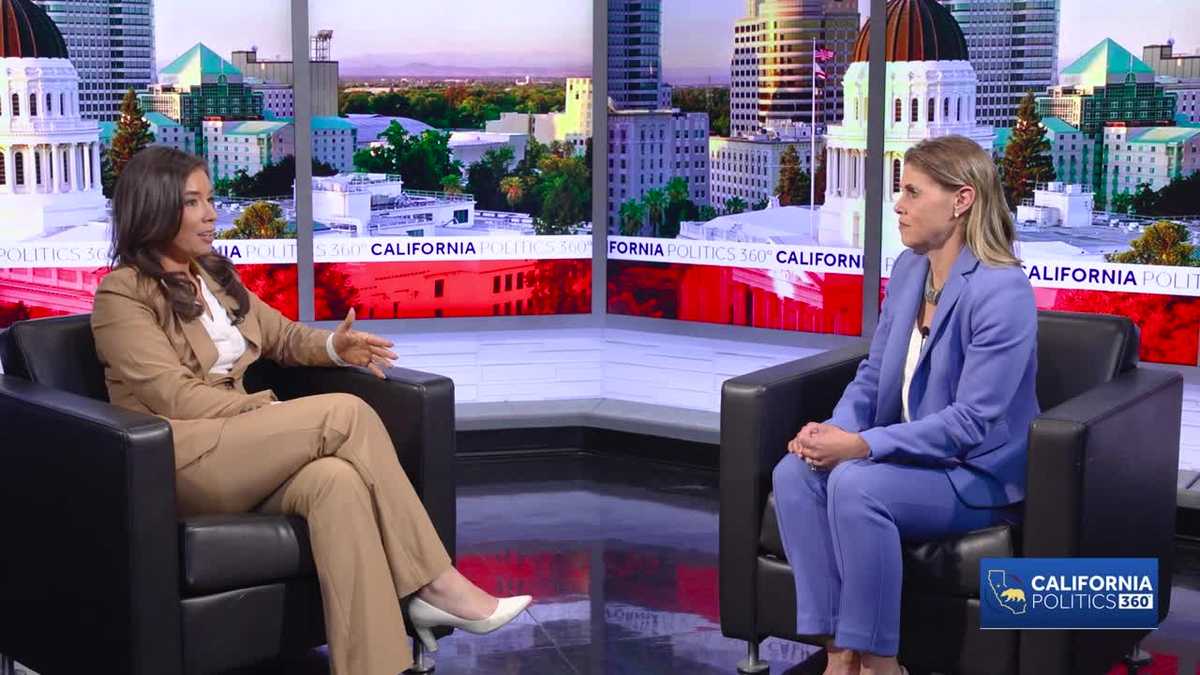
Assemblywoman Maggie Krell (D-Sacramento) has voiced significant concerns about this emerging trend, stating, “The sanctity of our elections is threatened when we let people bet on it.” Krell emphasizes that the absence of transparent financial disclosures in these predictive markets opens the door for “dark money” to infiltrate California’s political landscape.
The Impact of Predictive Markets
Krell argues that people often interpret betting odds similarly to polling data. As they observe money being wagered on candidates, perceptions of who is a front-runner may be skewed. This can alter the political landscape in ways that are not necessarily reflective of the true odds of winning.
Legislative Measures and Recommendations
In response to these developments, Krell has reached out to the Fair Political Practices Commission to explore the possibility of establishing new state regulations. Her initiative aims to create a framework around these betting markets to mandate disclosure of financial backing in political betting, thereby increasing transparency.
Last week, Governor Gavin Newsom signed an executive order prohibiting state appointees from betting on political outcomes using inside information. However, this policy does not extend to state lawmakers or their staff, raising concerns about the potential for insider trading.
The Role of the Federal Government
California Attorney General Rob Bonta has refrained from taking an official stance on political betting, noting that future regulations depend largely on state lawmakers. Krell urges for more federal oversight, arguing that the lax enforcement at the federal level complicates state-level legislation.
Regional Variations in Legality
The regulation of political betting is not uniform across the United States. For example, in Nevada, Kalshi has faced restrictions due to conflicts with state gaming laws. In New Mexico, the Attorney General has filed misdemeanor charges to curb political wagering, while Washington has also initiated legal action against Kalshi for allegedly promoting illegal gambling.
The Future of Political Betting in California
As this dynamic conversation unfolds, Krell underscores the importance of California positioning itself as a leader in regulatory measures concerning political betting. As tribal gaming interests have also turned to the courts seeking to block platforms like Kalshi, the California legal landscape regarding political betting is evolving rapidly.
For those interested in the intersection of gaming, politics, and law, these developments are significant. The state is at a crossroads where the legislative framework could set precedents for how political betting is regulated nationwide.
Conclusion
The conversation surrounding political betting in California raises vital questions about election integrity, regulatory oversight, and the influence of money in politics. As the state grapples with these complexities, both lawmakers and the public will need to engage in thoughtful dialogue to address the implications of this emerging trend. For the latest updates on California politics and legislative measures, follow resources like KCRA 3 and stay informed on these pressing issues.
