

California Air Resources Board Proposes Changes to Cap-and-Invest Program Amid Economic Concerns
The California Air Resources Board (CARB) announced key modifications to the state’s Cap-and-Invest program this week, aiming to address the balancing act between environmental objectives and economic pressures. This decision comes at a critical time, as rising global events threaten to elevate the cost of living across the Golden State.
Background on Cap-and-Invest Program
Initially known as Cap-and-Trade, the Cap-and-Invest program has been operational for 13 years, designed to mitigate carbon emissions from significant sources like power plants and industries by requiring them to purchase permits for their emissions. This initiative aims to promote cleaner energy investments and support California’s ambitious climate goals, which include achieving 100% carbon-free electricity by 2045.
In 2022, California lawmakers and Governor Gavin Newsom extended the program for another 20 years. However, stakeholders from various sectors have raised concerns about its implications.
Recent Proposals and Changes
In a media briefing, CARB officials detailed several proposed changes to address these concerns. Rajinder Sahota, CARB’s deputy director for climate change and research, highlighted that the adjustments are a response to significant feedback regarding the current economic landscape. The revised proposals include:
-
Increased Incentive Fund: Doubling the incentive fund for manufacturers working to decarbonize operations to $4 billion. This fund aims to support refiners who implement upgrades to reduce emissions and lower future compliance costs.
-
Compliance Support: An estimated $800 million in additional compliance support for industries through 2030, intended to prevent hikes in fuel prices.
-
Boosting Climate Credit: Increasing the California Climate Credit from $8 billion to $10 billion through 2030.
-
Flexible Allowance Allocation: Implementing flexibility beyond 2030 by removing allowances while maintaining emissions caps until 2045 to provide essential long-term market signals.
These strategies aim to reassure both industry stakeholders and environmental advocates in California.
Industry Reactions
Despite the adjustments, oil companies have voiced concerns. Chevron previously warned that proposed changes in January could lead to refinery closures, a sentiment echoed by some lawmakers. Chevron has yet to respond to the latest revisions, emphasizing they are still evaluating the details.
In contrast, the Western States Petroleum Association (WSPA) criticized CARB’s approach, arguing that short-term regulations provide inadequate support for future planning and investment in California’s refining sector.
Environmental Groups Speak Out
On the opposite side of the spectrum, environmental organizations have expressed dissatisfaction, claiming the revisions do not go far enough to meet California’s emissions reduction targets. Katelyn Roedner Sutter from the Environmental Defense Fund emphasized that the proposals fail to adequately address pollution reduction commitments.
Chloe Ames, policy adviser for NextGen Policy, echoed these concerns, asserting that the new measures could potentially enable major polluters to continue harming the environment without substantial efforts to reduce emissions.
Justification from CARB
In defending the latest modifications, CARB officials reiterated their commitment to progressing toward California’s climate goals. Sahota asserted that the proposed rate of decline, with an 11% cap reduction for this decade and 7% from 2031 to 2045, remains ambitious and indicates continued efforts to lessen emissions.
Current Economic Context
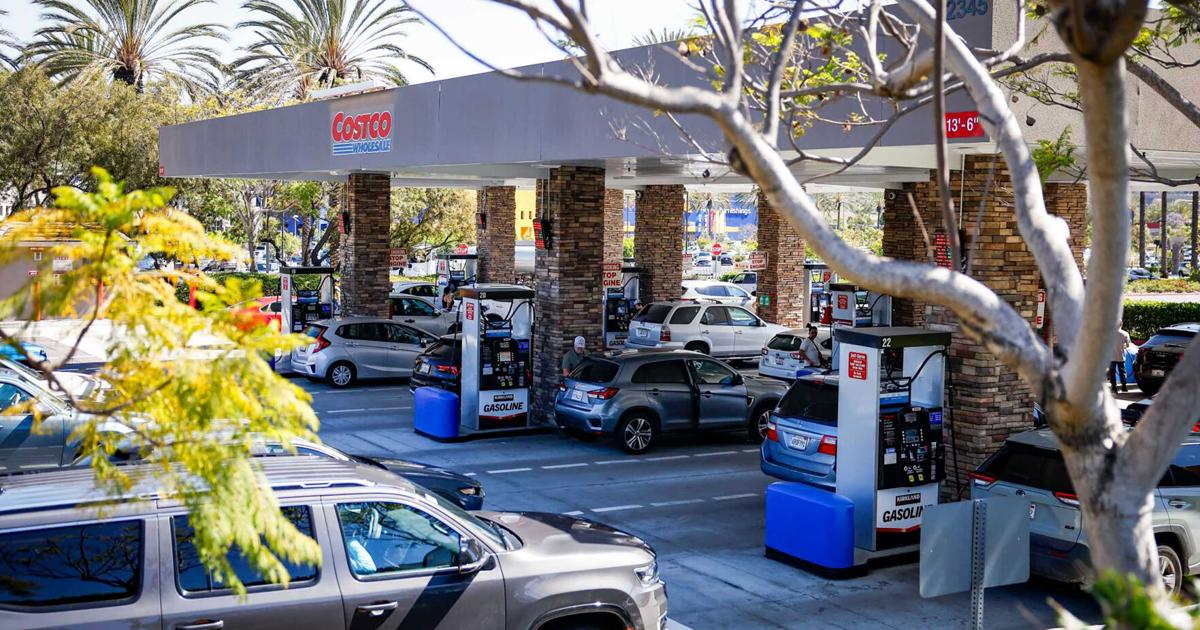
The timing of these changes is particularly relevant, as California drivers currently face the highest gasoline prices in the nation, exacerbated by international conflict affecting oil supply chains. Recent data indicates that the average price of gasoline in San Diego has approached $6 per gallon, significantly higher than the national average of $5.11.
With refinery closures—such as the imminent shutdown of Valero in Benicia—concerns about the state’s refining capacity and the potential for further price increases loom large.
The Future of Cap-and-Invest
Moving forward, CARB will accept public comments on the revised Cap-and-Invest program until April 29. The board is scheduled to deliberate on these changes in a public meeting on May 28, with the potential for the new regulations to take effect on September 1.
As California navigates the dual goals of reducing carbon emissions while maintaining economic stability, the adjustments to the Cap-and-Invest program reflect an ongoing effort to address a dynamic and complex landscape.
For further updates and detailed insights on California’s climate initiatives, consider visiting reliable resources such as the California Air Resources Board and AAA for the latest gasoline prices.
