

Impact of Swalwell’s Exit on California Democratic Primaries
As the race for California’s gubernatorial seat heats up, the exit of Congressman Eric Swalwell has reshaped the dynamics among Democratic candidates. Voters previously aligned with Swalwell are now considering their alternatives, and this shift could significantly influence the trajectory of the campaign.
Voter Sentiment and Shifting Allegiances
Kathy Robbins-Roth, a voter with previous interest in Swalwell, expressed her disappointment in his decision to leave the race. Despite being initially impressed by Swalwell’s performance during President Trump’s second impeachment trial, she noted that his actions later on disappointed her. “Honestly, I’m back at Katie Porter,” she revealed, highlighting Porter’s appeal as a potential frontrunner for Swalwell’s supporters.
Recent polling indicates strong support for both Porter and billionaire Tom Steyer as primary choices for Swalwell’s former voters. A March survey from UC Berkeley’s Jack Citrin Center and Politico found that 39% of Swalwell’s supporters are leaning towards Porter, while 15% indicated a preference for Steyer. Meanwhile, another poll conducted by Global Strategy Group for the Steyer campaign showed over half of Swalwell voters divided between these two candidates.
Candidates Emphasize Key Issues
Support for Tom Steyer stems from his early advocacy for impeachment during Trump’s presidency. Voter Shekhar Sakhalkar expressed his admiration for Steyer, praising his initiative in addressing pressing issues: “I thought that he was trying to do the right thing in calling out the right problems,” he noted.
Similarly, Berkeley resident Susanna Porte supports both Steyer and former state Controller Betty Yee, citing their focus on environmental and economic justice and their decision to challenge major utility companies like PG&E.
The Current Landscape of Candidates
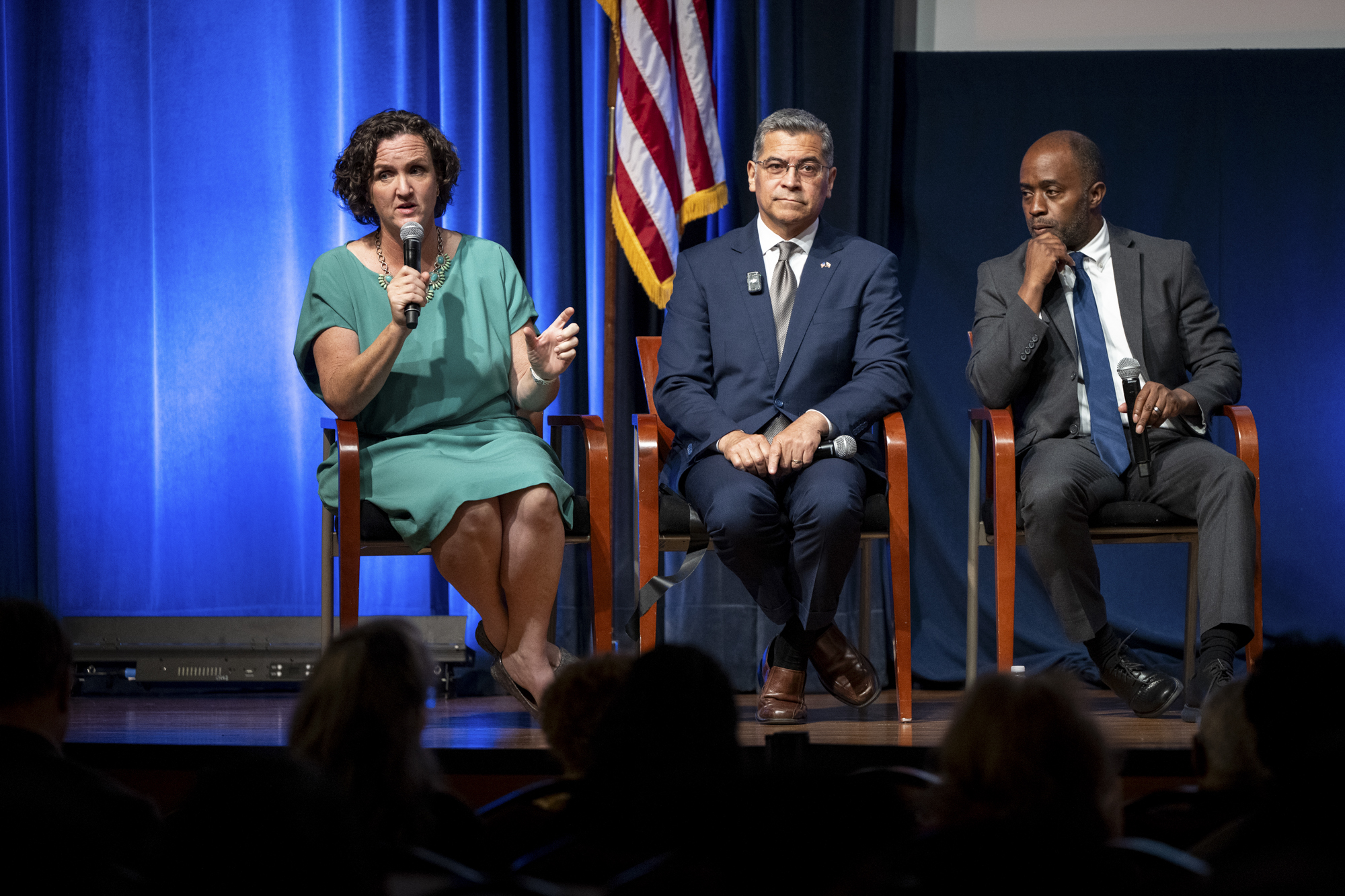
There are seven significant Democratic candidates still vying for the nomination, amongst them former Los Angeles Mayor Antonio Villaraigosa and State Superintendent of Public Instruction Tony Thurmond. Voter Susanna Porte believes that a smaller candidate field could help streamline decision-making for supporters, even though she hopes candidates like Yee remain in the race to represent emergent viewpoints.
Candidates Respond to the Shift
With Swalwell’s exit, remaining candidates are eager to capitalize on new opportunities to connect with voters. Candidate Mahan launched a $3 million advertising campaign, including broadcasts in the Bay Area. Meanwhile, Becerra has reported a surge in first-time donors, reflecting increased engagement from the electorate.
Voter Coakley has intensified his commitment to the campaign, stating, “I’ve gone to the [candidate] websites. I hadn’t really done that before all this had happened.” This heightened engagement suggests that the evolving political landscape is encouraging voters to explore their options thoroughly.
Conclusion
The fallout from Swalwell’s departure from the race signals a pivotal moment in California’s Democratic primaries. With candidates like Porter and Steyer drawing significant support from displaced Swalwell voters, the landscape continues to evolve, marking a crucial phase leading up to the election. As the race unfolds, the focus on critical issues combined with increasingly engaged voters could lead to surprising outcomes come election day.
