

The Ongoing Legacy of Police Violence: Lessons from Adolph Lyons’ Case
Introduction: A Historic Encounter
In the early hours of October 6, 1976, a routine traffic stop in Los Angeles would ignite a decades-long conversation about civil rights and police accountability. Adolph Lyons, a 24-year-old Black man, was pulled over by four white police officers for a minor infraction—a burned-out taillight. What should have been a simple interaction quickly escalated into an act of police brutality when officers, brandishing firearms, forced Lyons into a chokehold, rendering him unconscious. This incident, one of many involving the Los Angeles Police Department (LAPD)‘s use of excessive force, marked the beginning of a painful legacy that continues to affect communities today.
The Aftermath: Seeking Justice
After the traumatic event, Lyons demonstrated remarkable resilience. Rather than remaining silent, he sought legal counsel and worked diligently to hold the LAPD accountable. His investigation uncovered a disturbing pattern; between 1976 and later years, the LAPD had used chokeholds frequently, resulting in numerous injuries and fatalities—many victims were Black men. In 1977, Lyons filed a lawsuit against the city, aiming not only for compensation but also for a court injunction to prevent future use of deadly restraint tactics. His case aimed to end the use of chokeholds, except in circumstances where there was a credible threat of imminent violence.
A Legal Battle: Lyons vs. Los Angeles
Lyons’ case found initial favor in lower courts, but the city of Los Angeles appealed to the U.S. Supreme Court. In a contentious 5-4 decision in 1983, the Supreme Court dismissed Lyons’ claims. The majority opinion upheld that without a “realistic threat” of experiencing similar treatment again, Lyons could not receive the preventive measures he sought. Justice Byron White’s majority ruling starkly contrasted with Justice Thurgood Marshall’s dissent, which foresaw this ruling as a pathway for police agencies to evade accountability for constitutional violations.
The Broader Implications of the Ruling
The ruling in Lyons vs. Los Angeles has had extensive repercussions. Law enforcement agencies across the nation, including during the Trump administration, have invoked this precedent to defend against claims of abusive practices. Specifically, the Department of Homeland Security has utilized the Lyons decision to justify the aggressive tactics in its deportation campaigns, arguing that past abuse does not indicate future actions warranting legal intervention.
A Recent Example: Federal Immigration Enforcement
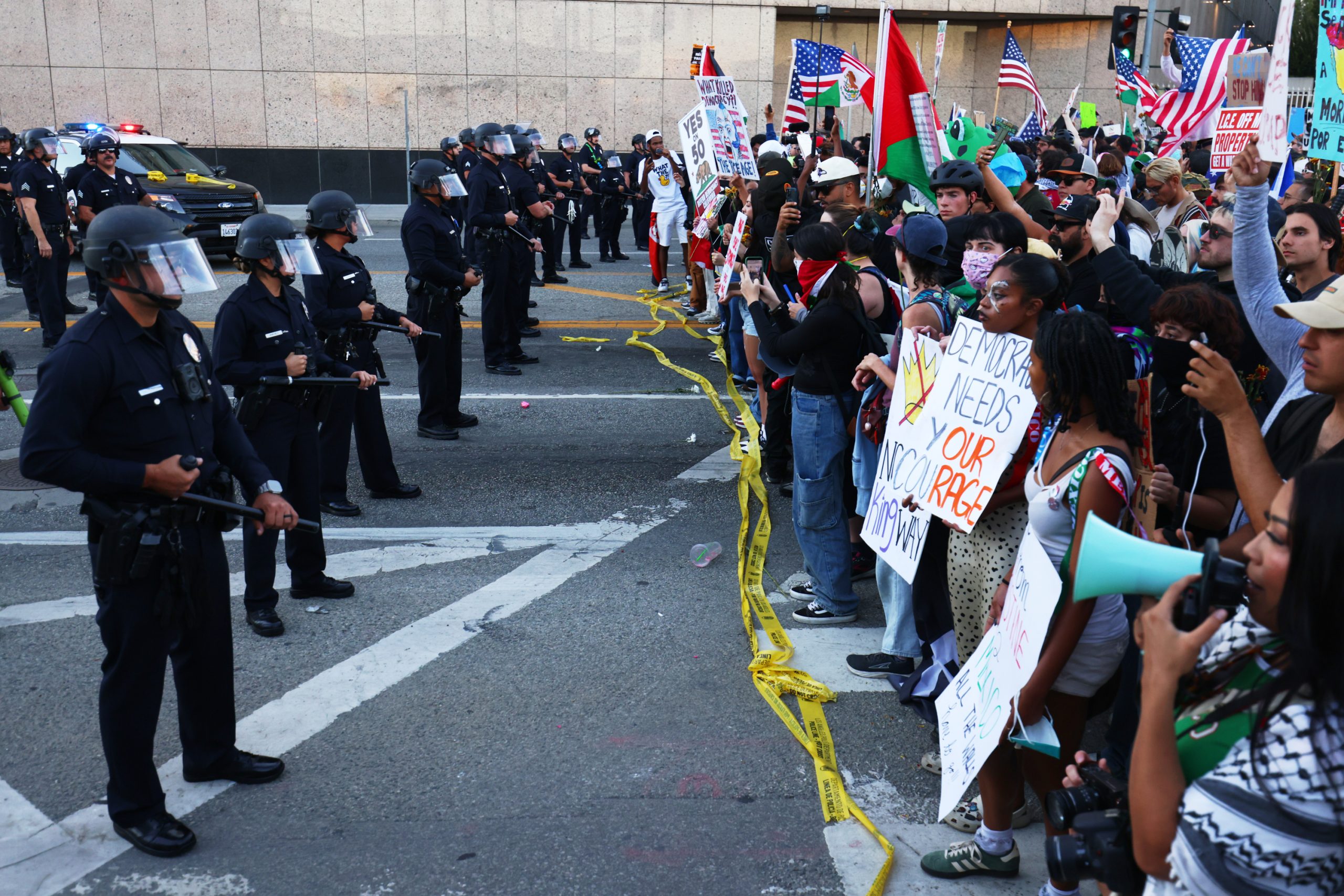
This summer, after a federal judge attempted to halt immigration raids in Southern California, the government swiftly appealed, citing the Lyons precedent as a basis for their legal strategy. The Supreme Court, in a rapid decision, reversed the lower court’s ruling, allowing continued federal actions against vulnerable communities.
A Call for Change: Building a New Foundation
With the legal framework permitting abuse, communities are increasingly advocating for radical changes in how law enforcement operates. There is a growing sentiment that current police departments need comprehensive reform, or in some cases, to be entirely reevaluated and replaced with agencies rooted in the principles of community protection and civil rights.
The Legacy of Adolph Lyons
Sadly, Adolph Lyons passed away in January 2022, struck by a vehicle while walking in a crosswalk. Though many people in his community were unaware of his pivotal role in legal history, they remembered him as a supportive neighbor. Neighbors reflected that had he been alive, he would have undoubtedly continued to stand up for those targeted by laws reminiscent of the chokeholds he endured.
Conclusion: Confronting Our Past for a Just Future
The case of Adolph Lyons serves as a haunting reminder of systemic issues within law enforcement and the importance of legal accountability. Ending the cycle of violence and discrimination will require a collective acknowledgment of the past, a reassessment of prevailing legal standards, and a firm commitment to safeguarding the rights of all citizens.
Learn More
For further insights into police reform and civil rights, consider exploring resources on civil rights history and contemporary discussions on policing policies.
Embracing these lessons and advocating for meaningful change can create a safer and more equitable society for everyone.
