

High-Speed Rail Project in California Faces Major Setback
FRESNO, Calif. – The ambitious high-speed rail project in California has officially come to a halt, marking a significant setback for what was once hailed as the future of transportation. With federal funding now fully suspended, concerns have intensified over the status and viability of this long-delayed initiative.
A Train to Nowhere?
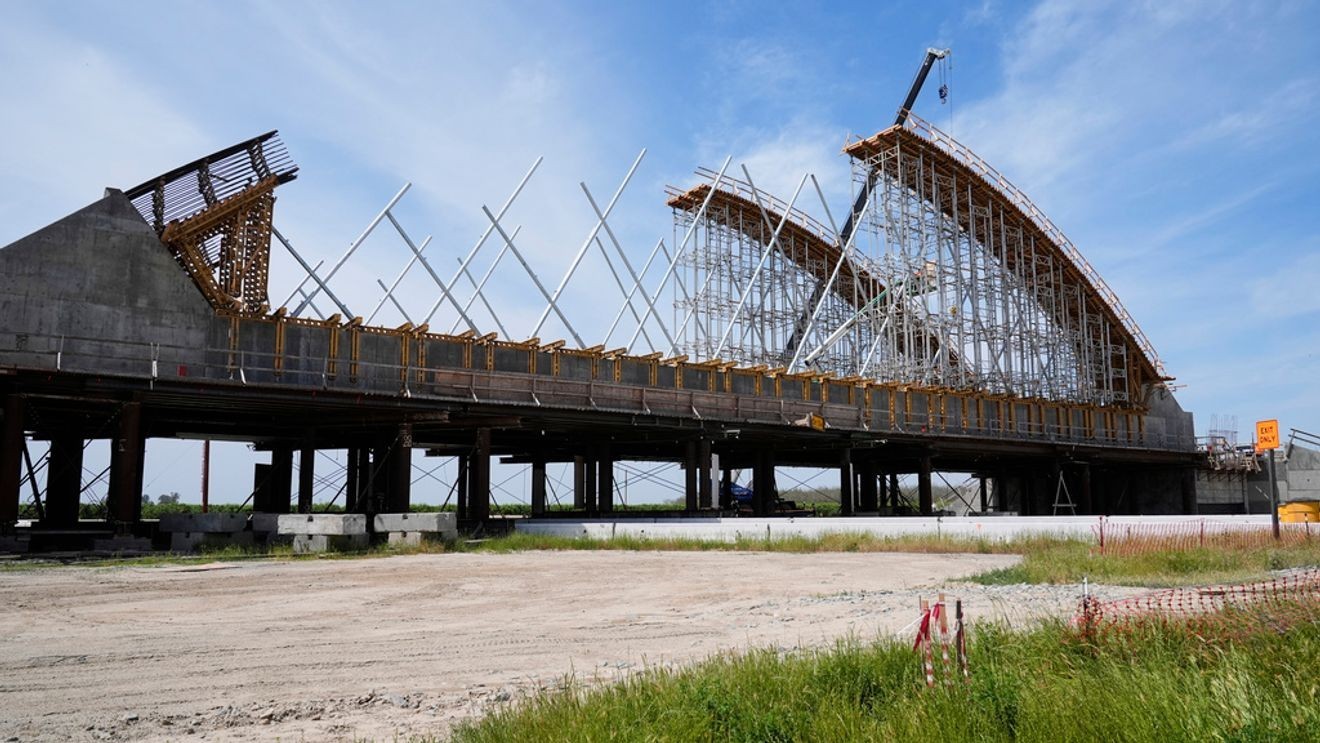
Congressman Kevin Kiley has labeled the California high-speed rail project “the train to nowhere,” reflecting widespread frustration as unfinished pillars and concrete structures stretch across the Central Valley. Many see these remnants as tangible proof of a project that has surpassed initial schedules and budget estimates.
The Reality of Delays and Cost Overruns
The high-speed rail, initially expected to be completed by 2020, has faced persistent delays. Currently projected for completion in 2026, it still lacks any laid track despite an expenditure of approximately $18 billion. As the timeline continues to extend, the estimated total cost has skyrocketed from $33 billion to over $128 billion.
“This is fantastic news for American taxpayers and California taxpayers,” said Kiley, emphasizing the view that the California high-speed rail is potentially the largest public infrastructure failure in the history of the United States. To address this concern, Kiley had previously introduced legislation aimed at cutting federal funding, legislation that has now passed the House in a significant bipartisan vote as part of an appropriations bill.
Impact on Local Businesses and Communities
The stalled state of the high-speed rail project extends beyond governmental budgets. Local businesses along the planned corridor have experienced disruptions, including forced relocations and daily operational challenges. These issues contribute to a climate of uncertainty for communities that were hopeful for the potential economic boost the rail system was expected to bring.
With the completion date continually pushed back, the possible long-term ramifications for businesses and residents in the area are becoming increasingly concerning.
Redirecting Taxpayer Dollars
With the cessation of funding, Congressman Kiley advocates for redirecting taxpayer money towards projects that would more effectively address California’s pressing transportation needs. The focus now aims at improving the state’s deteriorating roads and alleviating traffic congestion, ultimately enhancing the quality of life for Californians.
Future Prospects for the High-Speed Rail
Despite the grim outlook, state officials are not ready to abandon the high-speed rail project entirely. Plans are in place to seek private investors and developers, with an eye toward bringing new partners on board by the summer of 2026. The goal is to rekindle hope for a project that many believe could still play a vital role in California’s transportation infrastructure.
For more on the current status of California’s high-speed rail, check the official California High-Speed Rail Authority website.
This article provides insight into the challenges faced by the California high-speed rail project and the broader implications for taxpayers and local communities. Future developments remain to be seen as stakeholders continue to navigate this complex issue.
