

Tech Titans Unite Against California’s Proposed 5% Billionaire Tax
California’s proposed 5% billionaire tax has ignited a fierce response from some of the state’s wealthiest innovators. This tax could potentially strip tech founders of controlling stakes in the companies they built, prompting industry giants to rally against it.
The Building a Better California Initiative
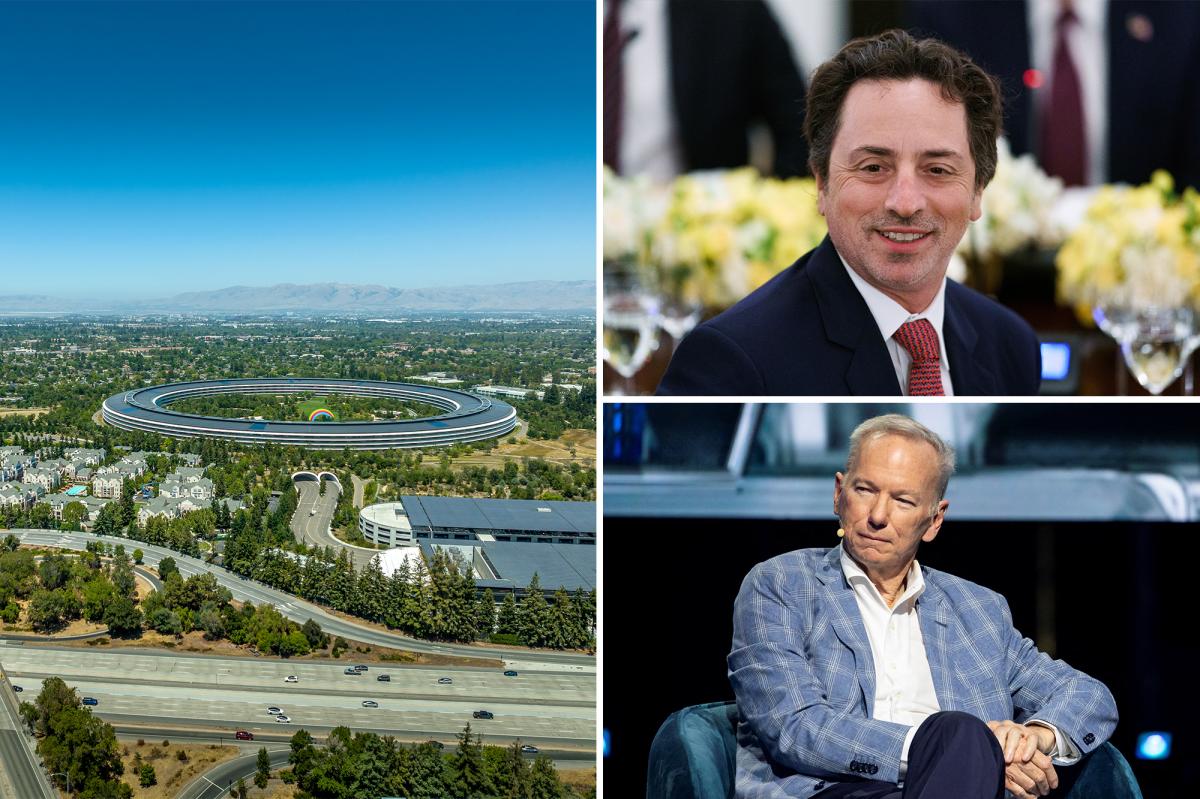
Dubbed “Building a Better California,” this coalition of moguls signals a critical moment for state government, highlighting its struggle to prioritize the public good over special interests. Led by prominent figures like Google co-founder Sergey Brin and former CEO Eric Schmidt, the initiative seeks to halt policies that could drive away entrepreneurs and their wealth from the state.
Exoduses and Economic Implications
The potential financial fallout from this billionaire tax has already begun, with notable billionaires such as Larry Page and Peter Thiel relocating to more tax-friendly environments. They express concerns over the tax proposal, which some estimate could result in the loss of nearly $1 trillion in wealth from California. If enacted, it may exacerbate the talent drain and economic downturn that began long before the tax was introduced.
Consequences for California’s Economy
The demographic shift away from California could significantly impact the state’s economy. The Legislative Analyst’s Office forecasts an $18 billion budget deficit for the fiscal year 2026-27, exacerbated by the departure of high-net-worth individuals. With jobs, innovation, and tax revenues at stake, the economic implications of losing these billionaires could be overwhelming.
A Call for Change
The outcry over the proposed tax reflects a broader concern regarding state policies under Governor Gavin Newsom and other lawmakers, allied with influential public unions. These policies may inadvertently lead to a talent exodus, harming California’s reputation as a land of opportunity.
What Makes the Tax Proposal Contentious?
The controversial tax plan suggests that the voting shares of tech founders could be subjected to the 5% levy. This could force entrepreneurs to sell portions of their companies to cover the tax, effectively losing control over the organizations they established. Critics argue that this is an unreasonable burden on innovators and could stifle economic growth.
Financial Commitment to Political Action
In response to the threat posed by the billionaire tax proposal, tech moguls have collectively earmarked $35 million for advocacy and lobbying against it. Their efforts not only aim to influence public sentiment but also to support various political candidates and initiatives that align with their vision for California’s economic future.
The Bigger Picture
As the debate over California’s billionaire tax continues, the actions of “Building a Better California” underscore a vital message: Extracting wealth from the rich does not guarantee prosperity for the broader population. Instead, it risks alienating the very individuals whose contributions drive innovation and economic growth.
For those interested in staying informed about this developing story, sign up for the California Post newsletter to receive daily updates on political and economic issues affecting the state.
Conclusion
The proposed 5% billionaire tax raises critical questions about California’s economic landscape. As tech titans unite to fight this measure, the future of the state’s entrepreneurial spirit hangs in the balance. Policymakers need to recognize that fostering a supportive environment for wealth creators is essential for a prosperous California. Ultimately, a thoughtful approach to taxation could ensure that both the state and its innovators thrive.
