

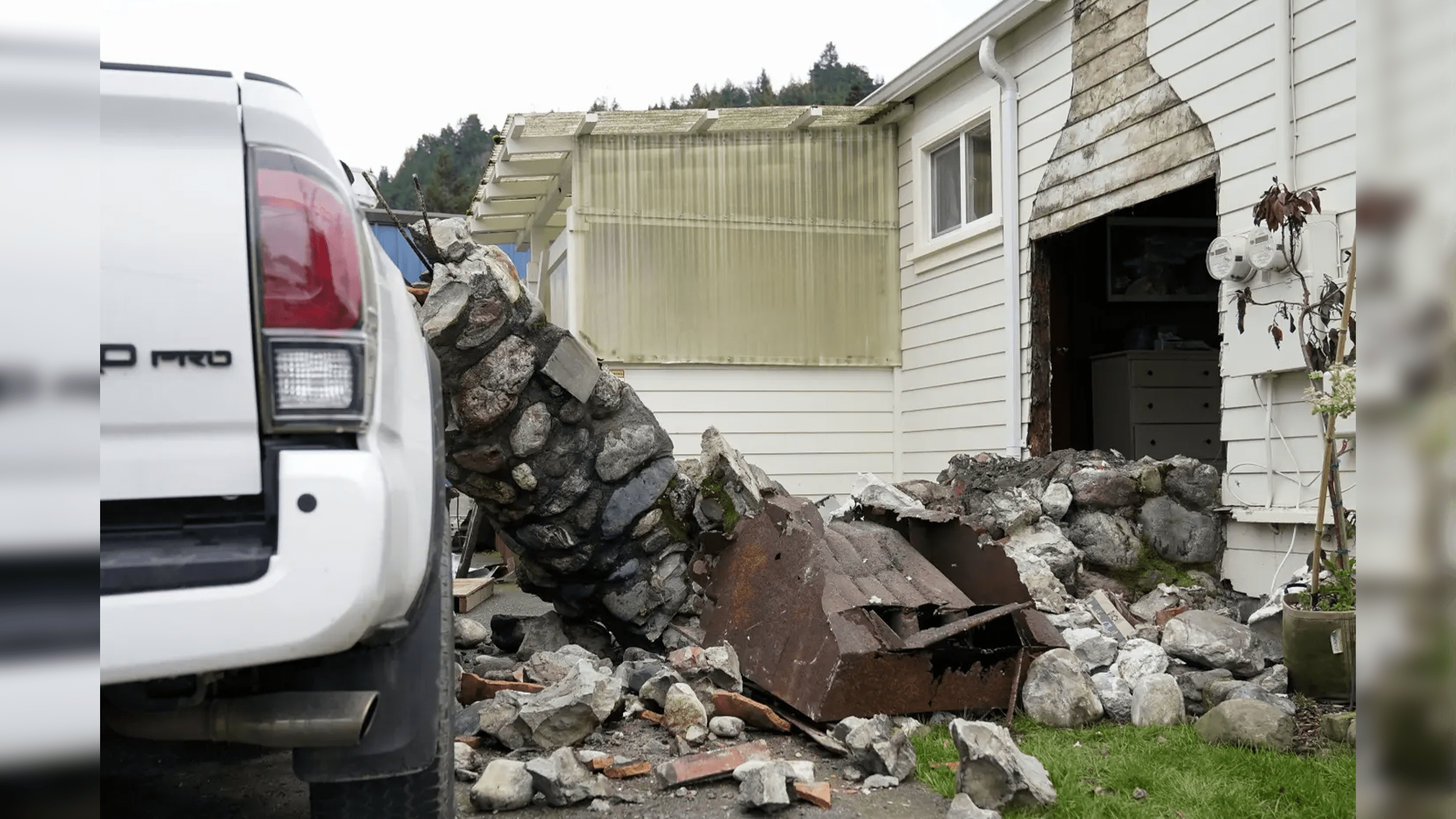
Major Earthquake Hits Northern California’s Mendocino Triple Junction
Overview of the Earthquake
On Tuesday, a significant magnitude 6.4 earthquake shook Northern California, originating from the Mendocino Triple Junction, an area renowned for its seismic activity. This region is notable for being where three tectonic plates—the Gorda, Pacific, and North American plates—intersect, creating a complex geological environment.
The Science Behind the Tremor
The earthquake struck at 2:34 a.m., southwest of the small Humboldt County town of Ferndale, approximately 210 miles (345 kilometers) northwest of San Francisco. The tremor was centered offshore, leading to numerous aftershocks in the following hours.
According to the U.S. Geological Survey (USGS), the quake’s epicenter lies within the Gorda Plate. The complex interaction of the plates occurs as the smaller Gorda Plate submerges under the larger North American plate, a geological process known as subduction. This activity is part of the broader Cascadia subduction zone, which extends from Northern California into Canada.
“In this Triple Junction area, it’s a complicated jigsaw puzzle,” explained Lori Dengler, a geology professor at Cal Poly Humboldt. The intricate arrangements of multiple faults contribute to the seismic activity of the region.
Historical Context of Seismic Activity
This recent quake is part of a longstanding pattern of significant seismic events in Northern California. Over the past century, the USGS has recorded at least 40 earthquakes of magnitude 6 or greater near this area. Among these, six quakes were of magnitude 7 or higher, underscoring the region’s vulnerability to seismic events.
Interestingly, this earthquake occurred exactly one year after the Petrolia earthquake on December 20, 2021. The earlier event registered magnitudes of 6.2 and 5.7 in overlapping quakes, highlighting the ongoing seismic disturbances in the Mendocino area.
“We have hundreds of faults in the vicinity of what we call the Triple Junction,” Dengler added. This intricate fault system has likely contributed to the frequency and intensity of geological activity in the region.
Preparedness and Future Monitoring
Residents in the Mendocino area are accustomed to the potential for earthquakes, given the region’s geological characteristics. Emergency preparedness remains crucial, as ongoing monitoring from the USGS provides necessary insights into future seismic risks.
For those interested in learning more about tectonic plates and their impact, additional resources can be found through the USGS Tectonic Plates information.
Key Takeaways
- The earthquake’s origin links directly to the complex interactions of the Gorda, Pacific, and North American plates.
- Historical data shows a consistent pattern of significant earthquakes around the Mendocino Triple Junction.
- Preparedness and awareness are vital for residents living in this seismically active region.
For more detailed updates, keep an eye on the USGS Earthquake Hazards Program. This resource provides ongoing updates and insights into earthquake activity across the country.
