

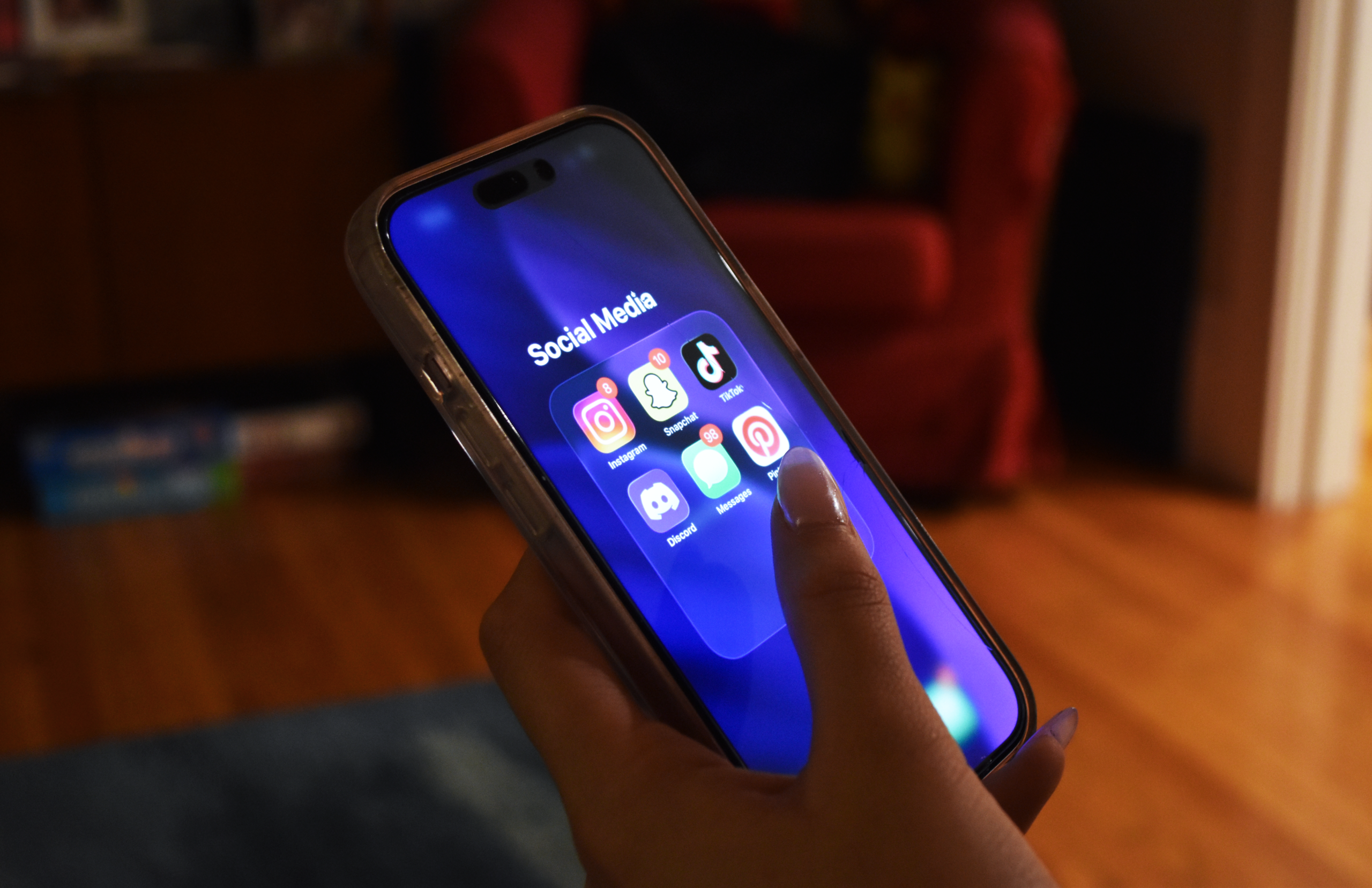
California’s Phone-Free Schools Act: Transforming Student Learning Environments
Approved by California Governor Gavin Newsom on September 23, 2024, the “Phone-Free Schools Act” aims to cultivate a more focused learning environment in schools throughout the state, starting with the implementation at Berkeley High School (BHS) in the 2026-27 school year. This groundbreaking legislation addresses the previous inconsistencies in cellphone policies among California schools, granting educational institutions the authority to regulate smartphone usage.
The Shift Towards Phone-Free Learning Initiatives
Since 2019, California schools had been given vague guidelines regarding cellphone policies, often resulting in varied regulations across districts. The Phone-Free Schools Act clearly mandates that all schools in California work towards establishing phone-free learning environments by July 16, 2026. This transformation is expected to enhance students’ focus and mitigate distractions within the classroom.
Periodic Review: Updating Policies Every Five Years
Under the new law, school administrations are required to revisit and update their cellphone usage policies every five years. This ensures that regulations reflect the evolving needs of students. Moreover, schools have the flexibility to develop rules tailored to their specific student populations, based on “evidence-based necessities.”
BHS Principal Juan Raygoza emphasizes the necessity for teachers to have effective systems in place for managing student phones: “Every teacher must have a system in place for phones to be put away and kept safe.” The school aims to provide the necessary resources for all teachers to appropriately limit cellphone usage.
Engaging the Community: Feedback from Students and Staff
In preparation for the new policy, BHS’s administration is in the process of drafting a proposal to present to the school board on July 1, 2026. To ensure a comprehensive approach, the Berkeley Unified School District (BUSD) has sought extensive feedback through surveys targeting administrators, teachers, and students.
Raygoza explains, “Our district solicited feedback from all of our teachers and staff… We sent out a survey to students. ‘How often are you on your phone during the school day? Whose responsibility is it to regulate or not?’” This input is crucial for formulating a policy that effectively addresses the concerns and needs of the entire educational community.
Learning from Other Districts: Exploring Effective Policies
In a meeting held on December 16, 2025, BUSD administrators studied phone restriction policies from school districts in major cities like New York, Baltimore, and Los Angeles. One notable method discussed was the use of Yondr pouches, which securely store students’ phones until the end of the school day, effectively minimizing distractions.
While this approach has proven effective, Superintendent Enikia Ford Morthel indicated that financial considerations must also be weighed. The cost of implementing Yondr pouches—approximately $15,000 per 1,000 students—presents a significant budgetary challenge for the district, especially in light of recent fiscal cuts.
Balancing Education and Technology
It’s important to note that some BHS students find practical use for their phones in academic settings. Senior Carmen Cassidy-Soto pointed out, “Sometimes we use (phones) as a tool in class for things like stop watches or to scan QR codes, take pictures of things on the board.” The new policy recognizes the educational value of smartphones, allowing their use in specific contexts where they enhance learning.
A Tailored Approach to Cellphone Usage
In articulating the expected outcomes of the cell phone policy, Principal Raygoza clarified, “If there’s an educational value to your phone, you can use your phone.” This highlights BHS’s intent to cultivate a learning environment that embraces technology responsibly while mitigating distractions.
Preparing for Implementation: Striking the Right Balance
As technology continues to evolve, school administrators face the ongoing challenge of adopting effective regulations that maintain a balance between minimizing distractions and embracing educational technology. In preparation for the policy implementation, BUSD administrators are working diligently to create systems that limit cellphone usage while considering budgetary constraints and the educational benefits that smartphones can provide.
For further information on policies aimed at enhancing educational environments in California, visit California Department of Education or explore data on student technology usage to gain insights into how technology can be harmoniously integrated into learning.
With these changes on the horizon, the Phone-Free Schools Act promises to redefine classroom settings in California schools, paving the way for an innovative and focused educational experience.
