

Revitalizing Shipbuilding in Solano County: A Path to Economic Recovery
The maritime industry in Solano County is on the brink of resurgence, with plans focused on the development of a “Solano Shipyard” that could redefine local economic landscapes. Leaders from Collinsville and nearby communities, including Benicia, Vallejo, Pittsburg, Bay Point, and Antioch, recognize the synergy needed to elevate the region collectively.
Need for Clarity and Community Input
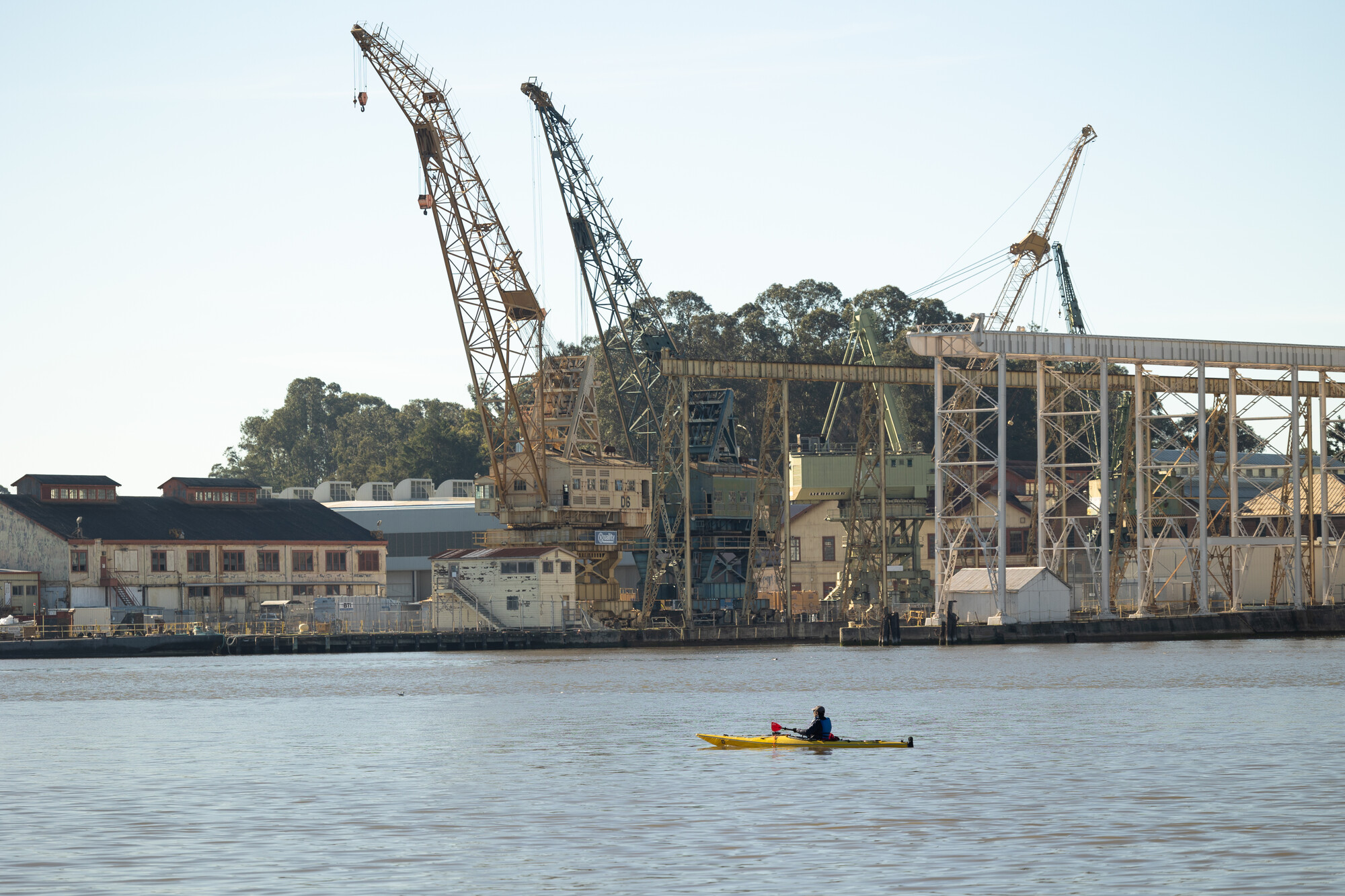
Despite initial support from Solano County for expanding the shipbuilding industry, officials have requested more detailed plans from California Forever, the organization spearheading the shipyard initiative. Residents have voiced their preference for investing in revitalizing Mare Island, historically significant as the first naval base on the Pacific Ocean, which has remained dormant since its decommissioning in 1996.
Job Creation and Economic Opportunity
Rico, a prominent advocate for the maritime industry, emphasized that bolstering shipbuilding could create thousands of jobs and stimulate connected industries. Currently, a significant number of Solano County residents—about 100,000—commute for work elsewhere. The establishment of living-wage jobs locally would allow residents to work closer to home, enhancing overall community well-being.
Incentives Under Maritime Prosperity Zones
Although specifics on the incentives tied to proposed Maritime Prosperity Zones are still pending, a recent executive order from former President Donald Trump outlined opportunities aimed at fostering domestic maritime investments and supporting waterfront communities. These zones are expected to operate similarly to Opportunity Zones, which provide tax benefits to encourage investment in economically disadvantaged areas. The Maritime Prosperity Zones may also offer regulatory relief from federal oversight, further enticing investments.
Legislative Support for Revitalization
In a bipartisan effort, members of Congress have introduced the SHIPS for America Act. This proposed legislation aims to revitalize shipbuilding in the United States while enhancing maritime security. The act seeks to create a Maritime Security Trust Fund to reinvest maritime fees into essential security programs and infrastructures, thereby bolstering support for maritime commerce.
Rico asserted that the recognition of diminishing shipbuilding capabilities in the U.S. has engendered widespread acknowledgment of this as a national security concern, laying the groundwork for future initiatives.
Rich History and Future Prospects
Corey Cook, CEO of the Cal Poly Maritime Academy in Vallejo, pointed out that the Bay Area possesses a rich shipbuilding legacy, having supported over 220,000 jobs during World War II. Actively working shipyards still exist throughout the region, and efforts are underway to align local interests with forthcoming guidelines from the Department of Commerce regarding Maritime Prosperity Zones.
Cal Poly Maritime Academy is committed to being a pivotal partner in developing a skilled workforce tailored to the expanding maritime industry. With programs designed for Coast Guard-licensed deck officers and engineers, the academy aims to create a robust pipeline for talent in ship operations and logistics, contributing significantly to maritime operations’ success.
In collaboration with community colleges and K-12 schools, the university strives to prepare a comprehensive workforce ready to meet the demands of a revitalized maritime sector.
Conclusion
The future of shipbuilding in Solano County holds great promise, with concerted efforts aimed at uniting communities and revitalizing the maritime sector. The establishment of a Solano Shipyard presents an exciting opportunity to enhance local economies, create sustainable jobs, and revitalize a storied industry with deep historical roots. As stakeholders continue to work towards clear plans and community input, the potential for growth and prosperity in the region lies ahead.
