

Climate-Resilient State Parks: A Vital Necessity for California
On New Year’s Day, Californians take part in First Day Hikes, exploring the magnificent landscapes of state parks. From towering redwoods to scenic beaches, these hikes are not only nostalgic but a time for reflection and setting aspirations for the year ahead.
The Impact of Climate Change on State Parks
As California navigates 2026, it is crucial for state leaders to acknowledge that state parks are significantly affected by climate change. These natural treasures face the challenges of adapting to and recovering from severe climate-related events.
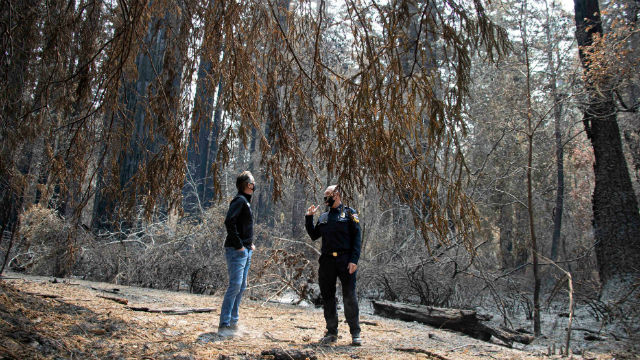
Notable incidents underscore this reality: Seacliff State Beach suffered extensive damage from winter storms in 2023, while the CZU Lightning Complex Fire devastated Big Basin Redwoods State Park, burning approximately 97% of its area in 2020. These examples highlight a broader trend, as extreme weather events continue to threaten parks across the state.
Proposition 4: A Step Toward Resilience
Fortunately, California voters endorsed Proposition 4 in 2024, which aims to bolster climate resilience in state parks. This initiative focuses on crucial areas like wildfire preparedness and adaptation to rising sea levels at coastal parks. It represents a pivotal opportunity to address urgent climate resilience needs effectively.
As the implementation of Proposition 4 moves forward, state leaders must ensure that the allocated funds supplement rather than replace existing budgetary commitments. Voters anticipated that these new funds would enhance California’s climate efforts, not serve as a substitute for ongoing financial support.
Increasing Accessibility to State Parks
While protecting our parks is a priority, making them accessible to all Californians is equally essential. Despite being public assets, barriers such as entry fees may deter individuals from enjoying these natural spaces.
The California State Library Park Pass program has emerged as a groundbreaking initiative that mitigates this issue by providing vehicle day-use passes to library systems across the state. Library cardholders can borrow these passes to visit participating state parks. The initiative has proven effective, with 63% of survey respondents citing cost as their primary barrier to park visits, and 90% expressing a desire to return.
However, the program currently lacks a permanent funding source, relying on the annual state budget process. In recent budget cycles, funding for this initiative faced cuts but was subsequently reinstated due to public advocacy. To ensure continued success, it is vital for state leaders to establish a more stable financial framework for this popular program.
Addressing Budget Cycles for Sustainable Management
State parks have historically endured volatile budget cycles, which impose significant challenges on their operations and management. California oversees 280 state park units, encompassing a quarter of the coastline, 15,000 campsites, and over 5,200 miles of trails. With more than 68 million visitors each year, the responsibility of maintaining these diverse environments is colossal.
In prosperous years, funding for parks has typically been allocated for one-time projects, neglecting ongoing staffing and operational needs. Conversely, during economic downturns, budget cuts have led to reduced resources and staffing shortages, exacerbating maintenance backlogs.
To foster a more resilient future for California’s state parks, continuous investment and strategic planning are essential. By moving beyond short-term budgeting, leaders can ensure that these precious natural resources receive the long-term support they require.
The Importance of Nature Access
As California reflects on the upcoming year, it must prioritize access to nature as an essential right for its residents. Access to the natural world enhances physical health, nurtures mental well-being, and fosters a sense of community. By investing in state parks, California leaders can promote climate resilience and equitable access, thereby benefiting all its inhabitants.
The future of California’s state parks will depend on the commitment to sustainability, accessibility, and climate resilience. Collectively, these efforts can help preserve the beauty and integrity of the state’s natural landscapes for generations to come.
For more details, visit California State Parks.
