

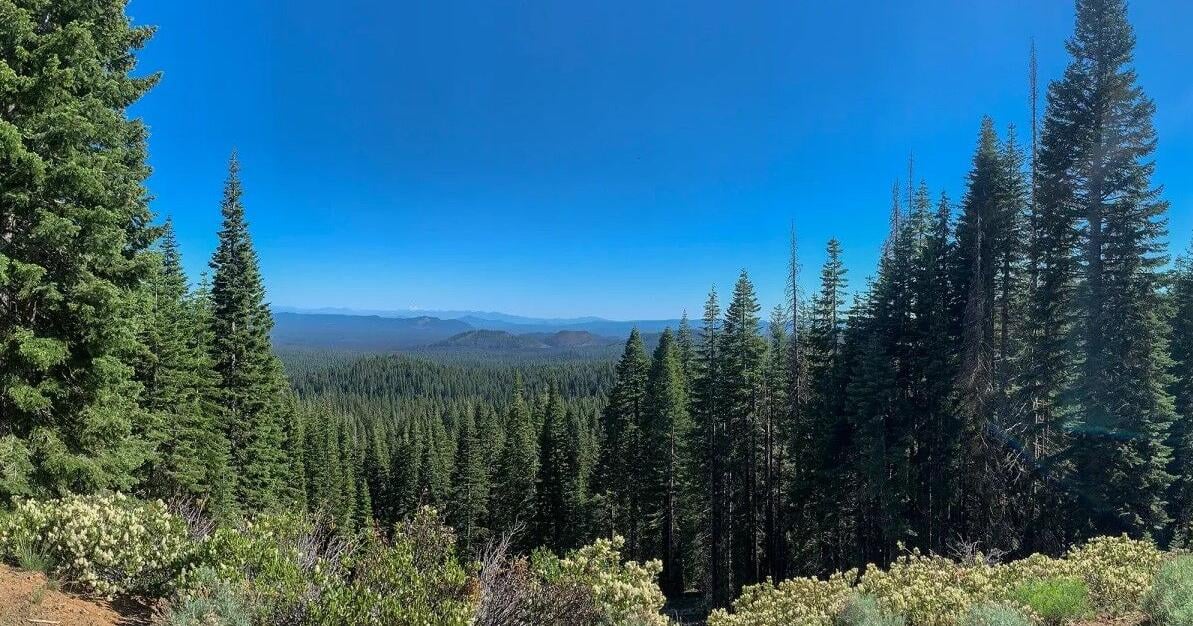
Exploring the Sáttítla Highlands National Monument: A Critical Natural Treasure
In January 2025, the Sáttítla Highlands was designated a national monument, emphasizing its ecological and cultural significance. Spanning 224,676 acres across Northern California’s Modoc, Shasta-Trinity, and Klamath national forests, this pristine area is not just a stunning landscape; it is integral to the sustainability and cultural heritage of the region.
Ecological Importance of Sáttítla Highlands
The Sáttítla Highlands serves as a refuge for diverse wildlife, including bald eagles, black bears, and various species of fish such as salmon and trout. The area also features numerous threatened or endangered species, making it a vital ecological hub. The rich biodiversity supports 19 unique plant species and countless animal and insect populations that contribute to a balanced ecosystem.
The Role of Aquifers
One of the more unique features of the Sáttítla Highlands is its massive underground volcanic aquifers. These aquifers filter rainwater and snowmelt, ultimately providing water to millions, including farmers, thereby supporting agricultural activities that feed a significant portion of the nation. The caverns that comprise this aquifer network store as much freshwater as California’s 200 largest surface reservoirs.
Cultural Significance
The name Sáttítla translates to “obsidian place” in the Ajumawi language, representing a rich cultural legacy tied to the Pit River and Modoc Peoples. The monument covers parts of their ancestral homeland, which holds spiritual significance and is a site of cultural practices for multiple local tribes, including the Karuk, Klamath, Shasta, Siletz, Wintu, and Yana.
A History of Protection
Despite its designation as a national monument, the Sáttítla Highlands faces threats to its protection. Just months after the monument was established, the Trump administration sought to rescind its protected status, citing a “national energy emergency.” Such moves jeopardize not only the environmental health of the region but also the cultural sites crucial to Indigenous communities.
Visitor Experience
Visitors to the Sáttítla Highlands will find a wealth of natural beauty and recreational opportunities, from hiking near Medicine Lake to observing wildlife. The area is recognized as a traditional cultural property district, where Native American tribes must be consulted for planning and development. However, despite its natural and cultural significance, there is a noticeable lack of educational signage to help visitors appreciate the ecological functions and cultural history of the area.
The Impact of Climate Change
Climate change has created dire challenges for Sáttítla Highlands, evident from the recent droughts that have severely impacted water levels in Medicine Lake. The local flora and fauna depend on the aquifers, which regulate water supply and quality. Increased development or changes to its protected status could have devastating effects on the entire ecosystem.
Conclusion: A Call to Action
The Sáttítla Highlands National Monument exemplifies the critical intersection of environmental integrity and cultural heritage. It plays a vital role in sustaining biodiversity, providing water to millions, and preserving the rich legacy of Indigenous cultures. As pressures mount to diminish its protections, understanding the full value of this irreplaceable land is essential. Recognizing its importance not only benefits local communities but also ensures a sustainable future for all.
For more information on conservation efforts in the region, visit The Nature Conservancy or National Park Service.
Additional Reading
- Learn more about the Indigenous Peoples of Northern California
- Understand the significance of aquifers in local ecosystems
- Explore further about endangered species in the Sáttítla Highlands
