

Desalination: A Solution to California’s Water Crisis
The Water Dilemma in California
California is known for its stunning coastline, yet much of its water supply comes from melted snow in other states. As the state grapples with a significant water crisis exacerbated by prolonged drought conditions, the need for innovative solutions has never been more pressing. One potential answer lies in desalination, a process capable of transforming ocean water into drinkable water.
The Colorado River Negotiations Stall
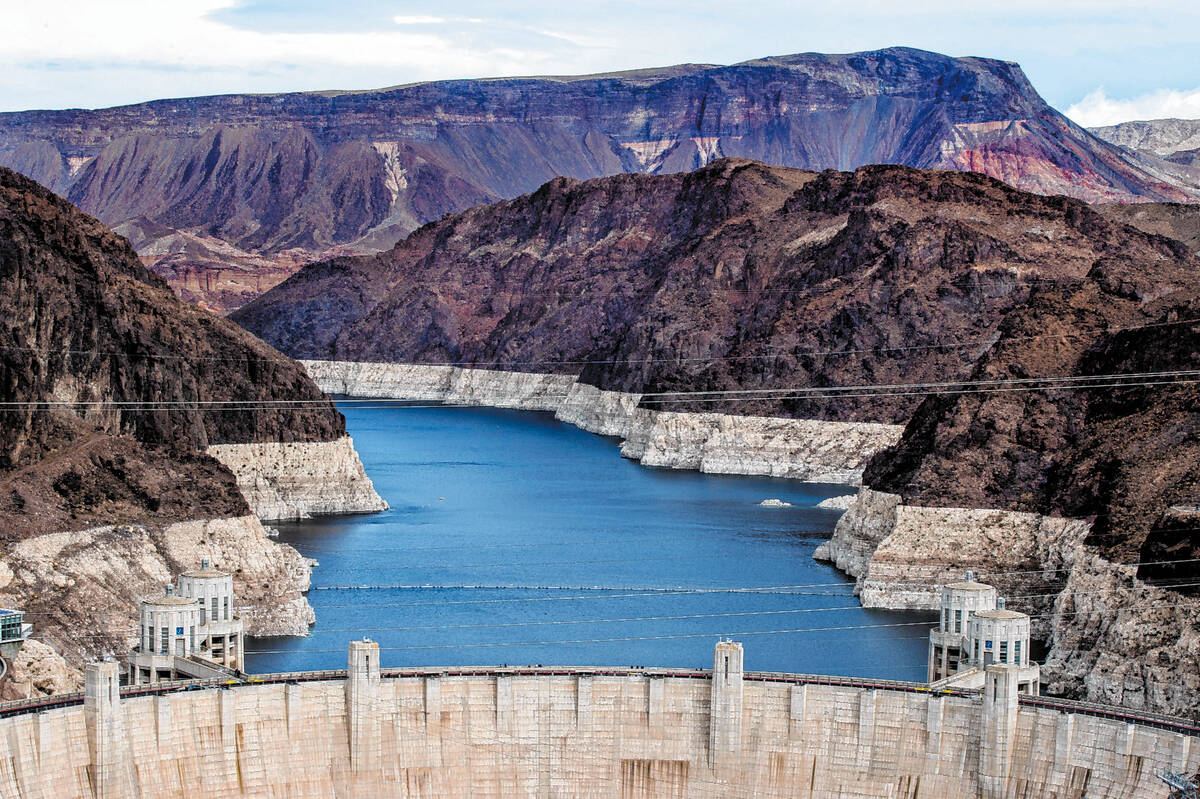
Negotiations between the Lower Basin states like Nevada and the Upper Basin counterparts over the Colorado River have reached a standstill. This impasse has serious implications, as the river has been over-allocated for years, leading to dire forecasts for Lake Mead, which is projected to continue declining. With the current state of affairs, both Nevada and California face substantial risks should water access become limited.
Las Vegas Residents Can Breathe Easy
While concerns loom over dwindling water resources, Las Vegas residents have a safeguard in place: the third straw and the Low Lake Level Pumping Station. These facilities ensure that Southern Nevada can continue to draw water, even if Lake Mead reaches “dead pool” status—where Hoover Dam can no longer deliver water downstream. Such a situation poses severe challenges for states like Arizona and California, underlining the urgency for a resolution.
Federal Intervention: A Possible Solution
As the crisis worsens, federal officials may need to intervene. “The river and the 40 million people who depend on it cannot wait,” stated Andrea Travnicek, Assistant Secretary of Water and Science. With drought conditions persisting, delaying action is not an option.
Limited Water Sources from Colorado
The snowpack in Colorado is currently about 56% of the median, indicating that additional water sources are critically needed.
The Promise of Desalination Technology
Desalination offers a promising avenue for bolstering water supplies. This age-old method has evolved significantly, with over 15,000 desalination plants operating globally. For instance, the first major desalination plant was established in 1930 to serve Aruba. Despite California having some facilities, regulatory hurdles have stymied new projects. In 2022, a proposed $1.4 billion desalination plant in Huntington Beach was rejected by the California Coastal Commission, which would have provided 50 million gallons of water daily after 20 years of discussion.
A Ray of Hope: Fort Bragg’s Pilot Project
Recently, a glimmer of hope appeared on the horizon. The same commission that previously blocked significant desalination initiatives has now approved a pilot project for a small desalination plant near Fort Bragg, California. This innovative facility is expected to produce about 13,000 gallons of usable water per day, showcasing progress in tackling the state’s water shortages.
Expanding Water Possibilities
Supplementing the Colorado River’s limited supply with desalinated water can benefit states like Nevada and others. While the Fort Bragg plant isn’t a panacea, it represents a step toward addressing the West’s water challenges. Comprehensive solutions will require a blend of conservation, technological innovation, and reassessment of water usage priorities between agriculture and urban demands.
Conclusion: The Future of Water in the West
As California and neighboring states confront dwindling water supplies, desalination emerges as a viable component of a multi-faceted solution. The integration of such technologies, along with effective water management practice, could reshape how the region navigates its ongoing water crisis.
For continual updates on water management solutions, be sure to stay informed about regional developments affecting California and its neighboring states.
