

The Urgent Need for Clean Energy in California
As the world grapples with the consequences of fossil fuel dependency, California stands at a critical crossroads. The recent actions of the Trump administration in Venezuela underscore a troubling reality: reliance on dirty, expensive fuels is fueling chaos, violence, and corruption. However, innovative clean energy solutions are available, and California has the opportunity to lead the charge towards a more sustainable future.
The Dangers of Fossil Fuel Dependency
The situation in Venezuela highlights the extreme lengths to which governments will go to secure oil resources, often at a grave human cost. Reports indicate that a recent raid has resulted in the deaths of over 80 civilians and security personnel, all in a bid to control a resource that is quickly becoming obsolete as the world pivots towards clean energy innovation.
California finds itself at a nexus of choices as we approach a pivotal election year. We can either allow the oil industry to manipulate political processes for profit or choose leaders committed to investing in renewable energy, fostering both peace and prosperity.
Environmental and Health Costs of Oil
The toll of fossil fuel dependency is clear. In just the past three months, California has witnessed over 200 oil spills that have polluted essential waterways and habitats. For instance, a pipeline failure recently spilled over 4,000 gallons of oil and contaminated wastewater into the Salinas River, a crucial water source for communities nearby.
Beyond environmental degradation, the health implications are staggering. The burning of fossil fuels is responsible for an estimated 10,000 premature deaths annually in California, alongside contributing to severe wildfires and extreme weather events impacting communities across the state.
Government Actions Amidst Growing Clean Energy Alternatives
In a surprising move earlier this month, the Trump administration overrode California’s safety concerns, mandating the restart of a pipeline that had previously ruptured, spilling over 100,000 gallons of crude oil. Furthermore, federal officials are suing California cities like Morgan Hill and Petaluma to block energy-efficient building codes aimed at reducing reliance on polluting methane gas pipelines and promoting sustainable housing solutions.
These actions exemplify the chaotic ripple effects of fossil fuel dependency, where communities bear the brunt of environmental disasters while oil industry profits soar, often at the expense of public health and safety.
The Call for Accountability in Leadership
As California prepares for its next gubernatorial race, the choice for voters could not be more significant. Candidates who prioritize corporate accountability and environmental stewardship will resonate with Californians eager for change. The state needs a leader ready to confront the oil industry’s influence and champion a clean energy agenda.
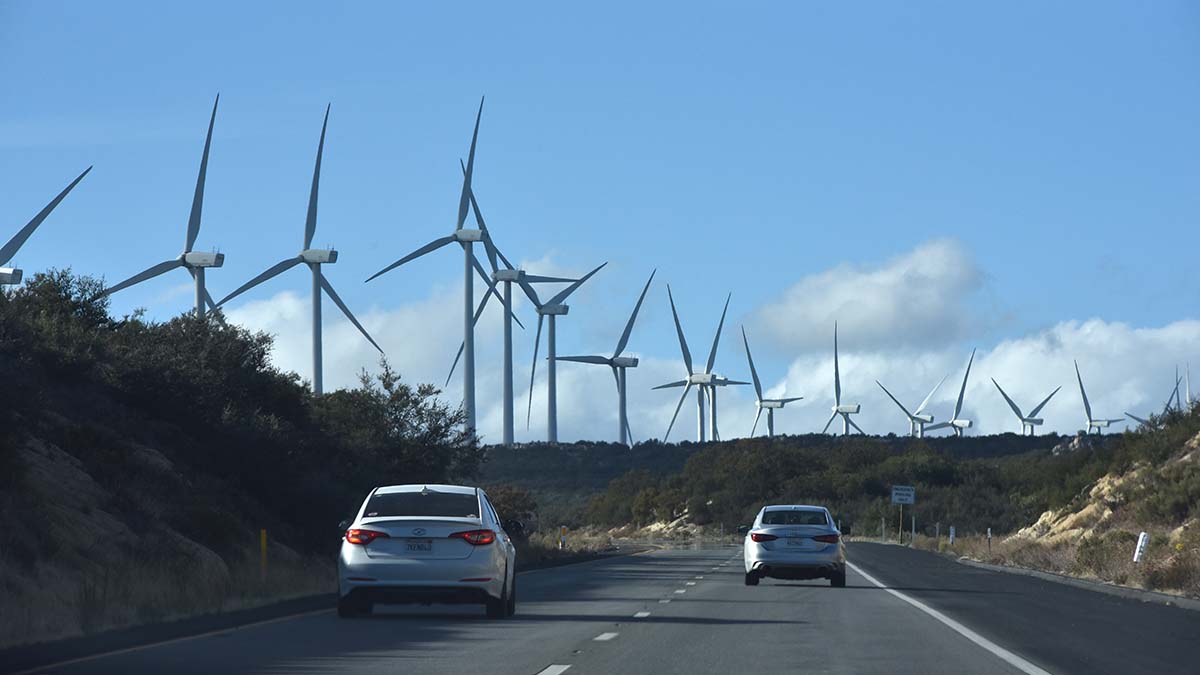
Public sentiment increasingly favors a transition to renewable energy, and the evidence supporting its benefits is undeniable. California has already made significant strides in areas such as electric vehicle adoption and energy efficiency. Planners in Kern County—California’s oil production heartland—have identified the region’s potential for harnessing vast solar and wind energy resources, showing that economic growth can coincide with environmental responsibility.
Accelerating the Transition to Clean Energy
Rather than succumbing to the pressures of oil and gas lobbyists in Sacramento, California leaders must recommit to eliminating the state’s reliance on fossil fuels. Embracing clean energy not only promotes environmental health but also stimulates job creation, builds resilient infrastructure, and nurtures thriving communities.
Clean energy is not just a lofty ideal; it represents affordable energy solutions that require no military intervention. The transition towards renewables offers a pathway forward that prioritizes public well-being over corporate profit, positioning California as a beacon of innovative progress in the global energy landscape.
In conclusion, the choice is clear. It’s time for California to champion clean energy solutions and reject the chaos of fossil fuel dependency.
For more information on California’s environmental policy, visit Capitol Weekly.
