

The Resilience of Holocaust Survivors: A Story of Hope and Support
The Early Years of Survival
At just four years old, Holocaust survivor Gerald’s life was irrevocably altered as his family fled Poland to escape the clutches of Nazi occupation. For 2.5 harrowing years, Gerald, alongside his parents, grandfather, and numerous relatives, concealed themselves in the forest. This period marked his formative years, where danger loomed at every turn. Each movement meant more than just a change in location; it signified a deep struggle for survival. In moments of desperation, family members occasionally suggested leaving Gerald behind, but his mother’s fierce determination kept them together throughout their dire circumstances.
Gerald often reflects on his mother’s resilience, stating, “My mother had a lot of hope, and she knew we needed to survive. Hope is a belief in something better than you have right now.” This unwavering support became the backbone of his survival, a strength he carries with him to this day.
A New Life in America
After the war, Gerald’s family returned to Poland briefly before migrating to the United States two years later. Settling in San Diego in the 1960s, Gerald pursued his dream of living in California and eventually became a successful pharmacy owner. However, life took another challenging turn when his wife suffered from dementia. Gerald devoted over a decade to care for her, which ultimately led to financial strain as healthcare costs escalated.
Gerald’s story is not unique; many Holocaust survivors in California face similar adversities as they age alone. An estimated 8,000 survivors currently reside in the state, and the complexities of aging can be exacerbated by unresolved trauma and stabilization.
The Challenge of Aging
Today, many Holocaust survivors, like Gerald, grapple with the harsh realities of financial insecurity. On a fixed income, dwindling savings come at a time when the costs of housing, food, and medication continue to escalate. Alarmingly, over half of the Holocaust survivors in support programs fall below the federal poverty line, earning less than $16,000 annually—insufficient to sustain a decent quality of life, especially in regions like San Diego.
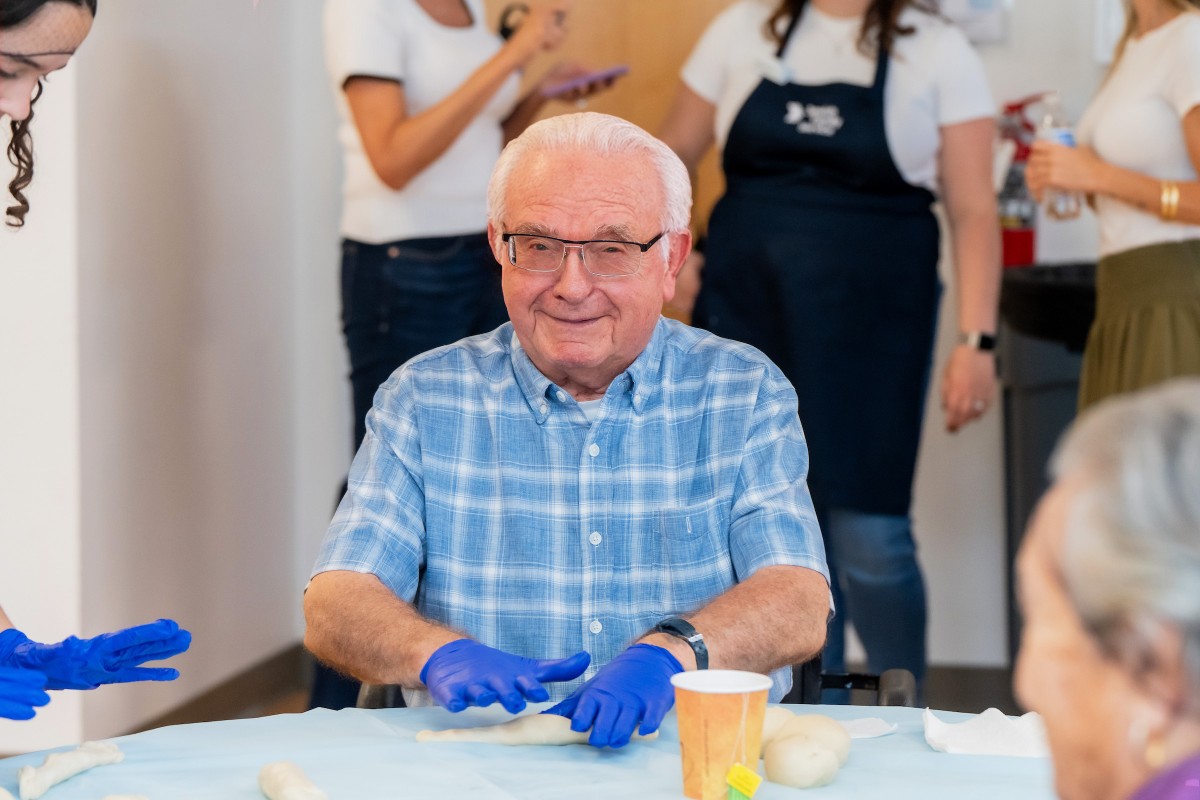
Gerald is among more than 500 survivors receiving assistance from the Jewish Family Service of San Diego‘s Support our Survivors program. This initiative addresses the unique needs of survivors and provides essential services, ensuring they maintain dignity during their golden years.
The Role of Community Support
The Jewish Family Service of San Diego represents the only organization in the region offering comprehensive support tailored specifically for Holocaust survivors. Many, including Gerald, attribute their safety and well-being to the assistance received from this vital organization. “Without help from Jewish Family Service of San Diego when my wife became ill, I would have lost my house and everything,” Gerald recalls.
A significant number of survivors deal with not only financial struggles but also mental and physical health challenges, including depression and post-traumatic stress disorder. Essential services provided include help with navigating medical appointments, medication reminders, wellness checks, transportation to grocery stores, and community events.
Additionally, survivors may have access to financial assistance for home care and emergency needs through programs supported by the Claims Conference and private donations. However, the funding landscape for these essential services is precarious, with California’s $14.5 million Holocaust Survivor Assistance Program set to expire soon.
A Call to Remember and Act
As we approach International Holocaust Remembrance Day on January 27, it is crucial to honor the survivors who’ve overcome unimaginable suffering. The day serves as a reminder that our commemoration of these individuals must extend beyond acknowledgment to actionable support.
Together, we can ensure that Holocaust survivors experience the compassion and care they deserve during their final years. It is a moral imperative to prevent anyone from facing hardship or isolation in their twilight years after enduring such past atrocities.
In reflecting on his journey, Gerald’s life embodies resilience and the enduring strength of hope against a backdrop of unspeakable suffering. Let this narrative inspire us to uplift those who survived through one of history’s darkest chapters, ensuring their dignity and welfare are preserved.
For further information about supporting Holocaust survivors and understanding their stories, consider visiting Jewish Family Service of San Diego.
