

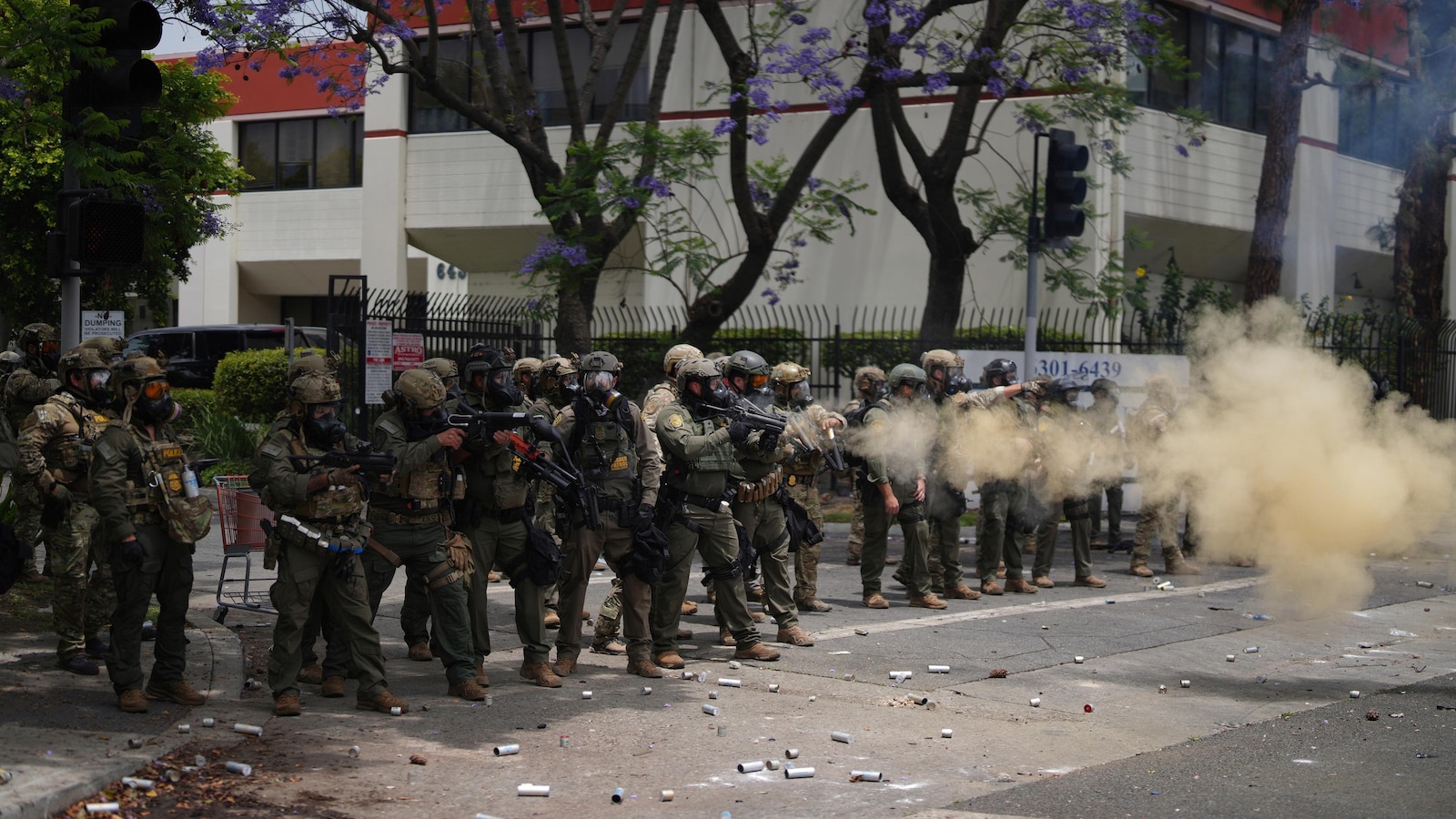
Federal Judge Blocks California’s Mask Ban for Immigration Agents
Overview of the Ruling
A federal judge in California has halted the implementation of a new law preventing federal immigration agents from wearing facial coverings, while still mandating that they display clear identification. This ruling comes as the first overarching regulation enacted in the state to limit law enforcement’s ability to conceal their identities.
Background: The Legislation
In September, California Governor Gavin Newsom signed legislation that prohibited most law enforcement officials from donning masks during their duties, citing the need for accountability in light of increased scrutiny on Immigration and Customs Enforcement (ICE) activities during high-profile raids in Los Angeles. The law was initially set to take effect on January 1, 2023, but a lawsuit filed by the Trump administration effectively paused its implementation.
California Law Bans Masks for Law Enforcement
Legal Challenges and Concerns
Judge Christina Snyder ruled that the mask ban, as outlined, unfairly discriminated against federal agents since it did not apply to state law enforcement. This decision opens the doors for other states to navigate similar legislation while dealing with federal immigration enforcement.
The judge mentioned in her ruling, “The Court finds that federal officers can perform their federal functions without wearing masks,” indicating that future legislation could successfully prohibit federal agents from masking, provided it includes all law enforcement personnel.
Key Provisions of the Law
The legislation not only bans facial coverings but also includes exceptions for undercover agents and specific protective equipment, like N95 respirators. The judge’s ruling noted that federal agents’ safety was compromised under the current law, which is why the exemptions were seen as discriminatory.
Support and Opposition
California State Senator Scott Weiner, a proponent of the original legislation, emphasized the need to hold ICE and Border Patrol accountable, stating, “ICE and Border Patrol are covering their faces to maximize their terror campaign.” In response to the ruling, he plans to introduce new legislation that would extend the mask ban to include state police.
This state initiative aligns with the ongoing national discourse surrounding the accountability of federal agents in enforcing controversial immigration policies.
The Federal Argument
In the legal proceedings, U.S. Department of Homeland Security representative Tiberius Davis contended that banning masks would reduce the safety and efficiency of federal enforcement personnel. He cited a rise in threats against federal officers, including a disturbing incident involving individuals who allegedly tracked and shared the location of an ICE agent online.
Opposing this view, Cameron Bell, a California Department of Justice attorney, argued that current legislation serves the public interest. He referred to accounts from U.S. citizens detained by federal agents who felt their rights were compromised, resulting in a perception of being kidnapped.
Implications of the Ruling
The legal battle regarding the mask ban has broader implications, marking a significant point in the ongoing tension between state authority and federal regulations. The ruling serves as a reminder of the complexities in governing immigration enforcement, especially amid rising concerns over transparency in law enforcement practices.
Moreover, the federal government warned that upholding California’s law might encourage other states to enact similar restrictions, potentially resulting in a fragmented legal landscape across the nation regarding federal agent regulations.
Read More on Federal Agent Regulations
Conclusion
As the legal landscape evolves, Governor Newsom’s administration will continue to navigate the challenges posed by federal statutes while pressing for accountability in law enforcement. This court ruling represents not only a legal victory for federal interests but also sets the stage for future legislative efforts at the state level to ensure transparency in immigration enforcement actions.
The ruling will officially take effect on February 19, 2023, granting California lawmakers time to modify their approach to ensuring accountability among all law enforcement agencies.
