

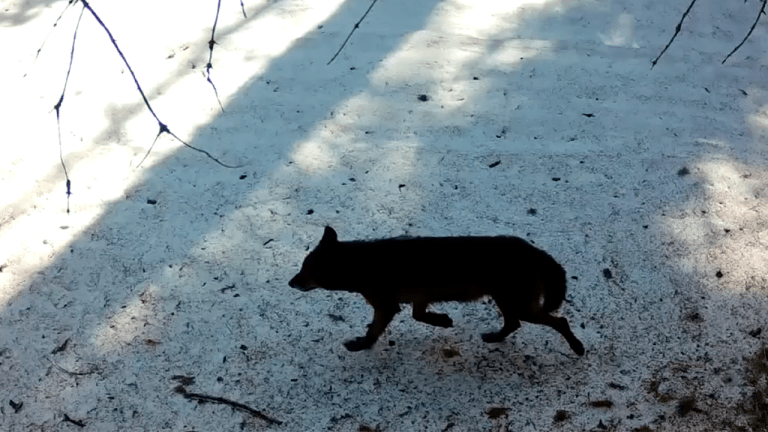
Remarkable Journey of a Gray Wolf: BEY03F’s Historic Travels in California
A 3-year-old female gray wolf fitted with a GPS collar has embarked on an extraordinary journey, traversing nearly the entire length of the Sierra Nevada. This significant movement marks the farthest south the species has been tracked since its return to California.
A Journey of a Lifetime
The wolf, designated BEY03F, was born in Plumas County in 2023. Fitted with a GPS collar by the California Department of Fish and Wildlife (CDFW) in May 2025, she began her adventure. Initially roaming with the Yowlumni pack in Tulare County, she spent about eight months before venturing out on her own.
Recently, BEY03F has been spotted on remote cameras in Tulare County, and latest GPS data puts her in Los Angeles County. However, officials have noted that confirmed sightings in that area remain absent. The state wolf tracker map indicates her presence moving southward into Kern County, highlighting her expansive journey.
The Quest for a Mate
As breeding season occurs in February, gray wolves often travel vast distances in search of a mate. “This wolf has traveled nearly the entire length of the Sierra Nevada over the last year or so, and her journey isn’t over,” said a state wolf coordinator, emphasizing the potential for ongoing movement.
The Status of Gray Wolves in California
Historically, gray wolves were extirpated from California by 1924, making their natural return in 2011 a significant event. According to the latest California gray wolf report, the population has increased to seven established packs, totaling at least 50 wolves by the end of 2024. Most activity is concentrated in Northern California; however, the establishment of the Yowlumni pack in Tulare County marked a pivotal expansion to the south.
The incredible journey of BEY03F represents a significant milestone, as she is the farthest south a gray wolf has been tracked in California since their reintroduction.
The Risks Faced by Gray Wolves
Despite the resurgence of gray wolves in California, they face considerable threats. Vehicle collisions are the primary danger, especially as these wolves traverse highways during their journeys. The expansive range they cover significantly increases the likelihood of encounters with vehicles, raising concerns among wildlife officials.
Conclusion
The story of BEY03F encapsulates both the resilience of gray wolves and the ongoing challenges they face in a landscape vastly altered by human development. As this brave young wolf continues her odyssey, wildlife officials and enthusiasts alike will be watching closely, hopeful for her success in finding a mate and contributing to the recovery of her species.
For more detailed information about California’s gray wolf population and monitoring efforts, visit the California Department of Fish and Wildlife’s gray wolf page.
Read More on Wildlife Conservation
To explore related topics about wildlife conservation and animal tracking, check out these articles on AccuWeather.
Engaging with these resources can deepen understanding of the critical efforts in wildlife management and the importance of preserving natural habitats for future generations.
