

Major Rainstorm Revives Northern California: What to Expect Next
A much-anticipated weather front has returned to Northern California, bringing a refreshing change after weeks of dry conditions. Residents are once again digging out their umbrellas and raincoats as the first significant rainstorm in over five weeks makes its mark on the region.
The Impact of the Recent Storm
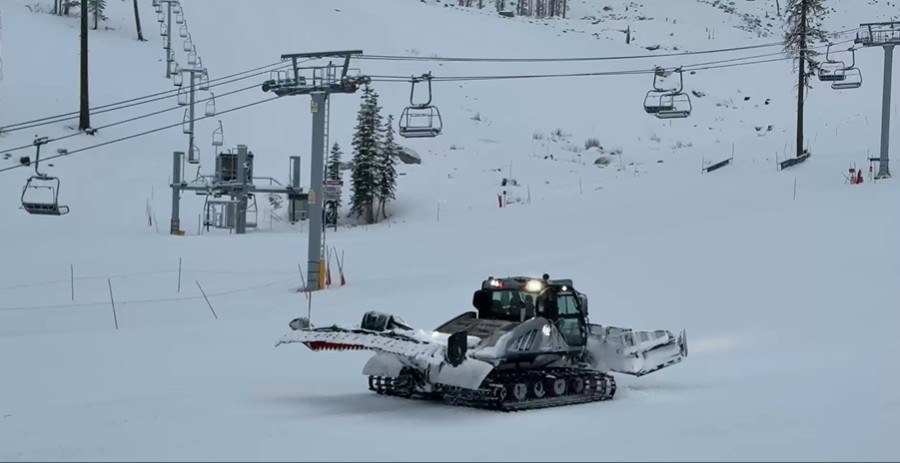
On Wednesday, the Bay Area experienced rainfall between a quarter and half an inch across most cities, with the Santa Cruz Mountains receiving up to 2 inches. This storm, while not producing a deluge, has alleviated concerns over an impending dry spell and has improved the air quality by washing away soot and grime. Furthermore, ski resorts in the Lake Tahoe area are benefiting from the added 1 foot of snow at higher elevations, signaling the comeback of winter conditions.
Jan Null, a meteorologist with Golden Gate Weather Services, rated this event a modest 2 or 3 on a storm severity scale, hinting that even more significant rain is forecast for the upcoming weekend.
Storm clouds observed near the Oakland San Francisco Bay Airport on February 11, 2026. (Jane Tyska/Bay Area News Group)
What’s Next for the Bay Area Weather?
As per the National Weather Service, residents can expect a brief reprieve with mild and dry weather on Thursday and Friday. However, by late Saturday into Sunday, more rain is anticipated, potentially lasting through the following week, with daily accumulations of about half an inch.
Rain Forecast
From Sunday to Tuesday, rainfall of approximately half an inch is projected for most Bay Area cities, accumulating to 2 to 3 inches overall by next Thursday. Jan Null noted that the region has transitioned away from warmer days, leading to cooler and unstable air conditions that result in these shower patterns.
California’s Rollercoaster Winter
California is currently experiencing a feast-or-famine winter, with weather patterns swinging dramatically. After a dry spell starting in November, recent storms have revitalized areas that were nearing drought conditions. While the beginning of winter showcased a scarcity of precipitation, a series of atmospheric river storms between Christmas and early January delivered 8 to 10 feet of snow to Sierra resorts, contributing significantly to the state’s water resources.

A map indicating average precipitation across California from October to February.
By contrast, the Bay Area had not seen significant rain since January 5—over five weeks—due to a high-pressure ridge that diverted storms northward. Andrew Schwartz from the UC Berkeley Central Sierra Snow Laboratory noted that the recent dry spell dropped the Sierra snowpack from 93% to 55% of its historical average.
Reservoir Levels: A Silver Lining
Despite the dry conditions, California reservoirs remain in good shape, with all major reservoirs above their historical averages for this time of year. Shasta Lake is currently at 116% of its historical average, while other key reservoirs like Oroville and San Luis also remain robust. Importantly, several smaller reservoirs are completely full, with water cascading down their spillways.
Seasonal Rainfall Totals
As of Wednesday, San Jose has accumulated 98% of its normal winter rainfall, with Oakland at 91%, San Francisco at 83%, and Santa Rosa at 84%. Southern cities like Los Angeles and San Diego report even higher percentages at 170% and 139%, respectively.
According to forecasts, the upcoming storm could result in 1 to 4 feet of new snow in the Sierra, which will help recover the averages, although not fully restore them to normal levels.
Conclusion
Northern California’s recent storm marks a crucial turning point after a prolonged dry spell, rejuvenating the landscape and enhancing the local winter sports scene. With additional rain on the horizon, the region appears set to continue its recovery, ensuring ample water supplies for the coming months.
