

The Future of Housing in California: Embracing Aesthetic Standards and Streamlined Regulations
California is on the brink of a housing revolution, aiming to streamline housing development and enhance the quality of urban living. As policymakers engage in discussions about increasing the housing supply, the next essential dialogue is about the look and feel of new developments. Addressing residents’ aesthetic concerns can not only alleviate opposition but also promote support for diverse housing options.
The Landscape of California’s Housing Regulations
For over a decade, California has been working diligently to optimize housing policies. Efforts to limit local veto points, overhaul zoning regulations, and develop efficient permitting processes are showing signs of success. However, this gradual evolution lacks one crucial aspect—the visual and functional quality of buildings.
Perception Matters: The Role of Aesthetics in Housing Policy
California faces a unique challenge: while some individuals are vocally against density, a more considerable segment of the population—termed housing-agnostic voters—can be swayed by the appearance and feel of new structures. Recent studies underscore the significant impact that aesthetic judgments have on public sentiment towards housing developments. An unattractive building can convert neutral opinions into staunch opposition.
The solution lies not in additional design review meetings but in establishing streamlined rules and tools. Modernized building codes that facilitate the construction of striking, varied structures can ensure durable and attractive designs that resonate positively with communities.
Innovative Approaches to Design: Moving Beyond Traditional Models
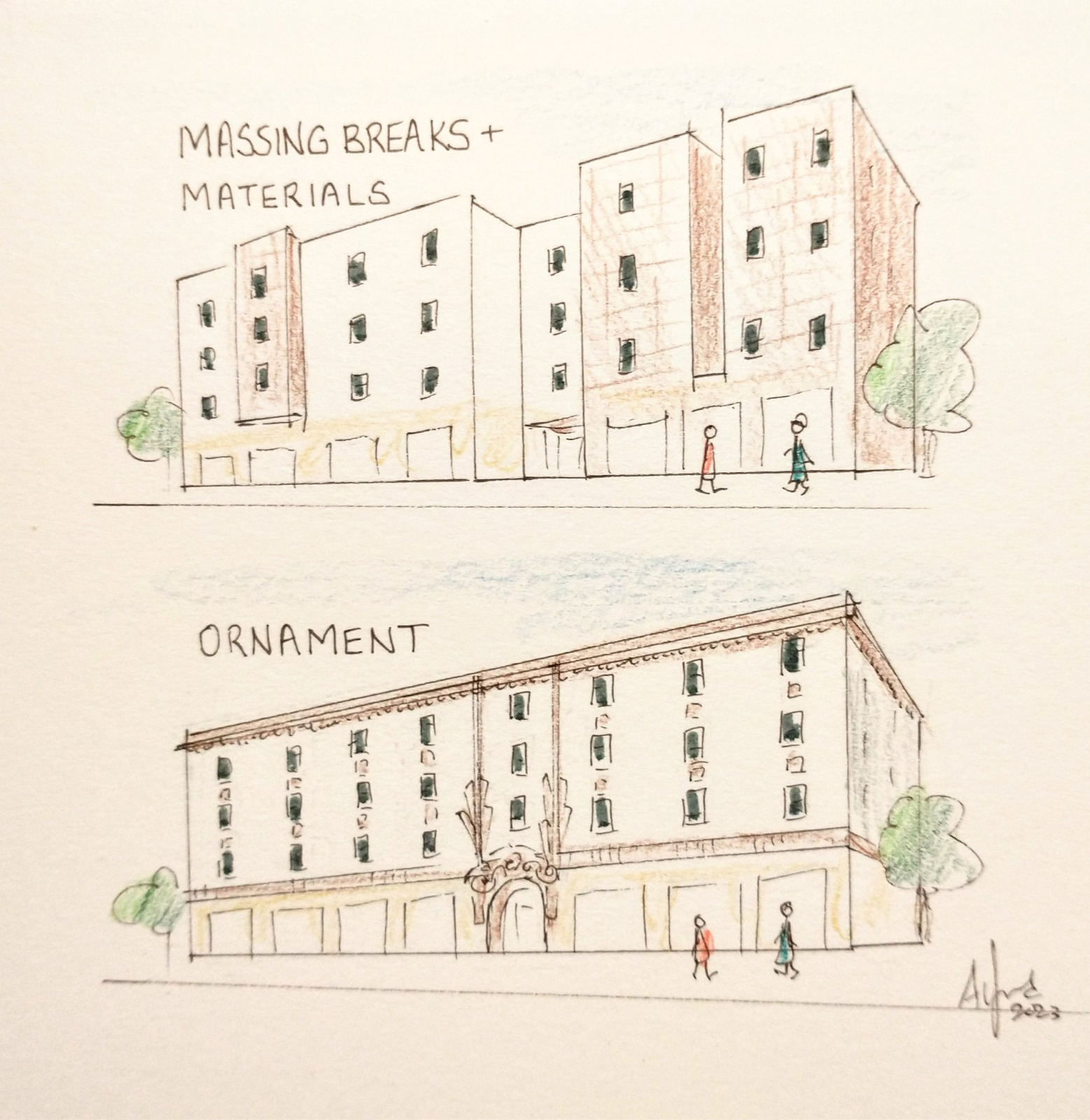
Current design standards often focus on breaking down building facades into smaller, seemingly more appealing segments. However, research indicates that real beauty is derived from coherence, quality materials, and contextual relevance. Buildings that incorporate green spaces and integrate well with their neighborhoods evoke a more favorable public response. Shifting the design conversation from fragmentation to unity can make beautiful housing the default expectation.
Avoiding Complexity: Simplifying Building Codes
California’s existing building codes often introduce unnecessary complexity in facade design, causing increased construction risks without guaranteeing the desired public support. By demanding excessive intricacies, the state inadvertently raises costs and diminishes the durability of buildings.
The path forward is to adopt simpler yet aesthetically pleasing design elements that emphasize quality over quantity. These approaches validate public preferences while also addressing state-specific climate concerns.
Concrete Steps California Can Implement Now
-
Establish an Ornamental Façade Alternative: Updating California’s Objective Design Standards can add clarity for builders, presenting them with a straightforward choice between traditional complex designs or simpler, yet ornately detailed structures that resonate with community aesthetics.
-
Create a Statewide Pattern Book: Providing a repository of exceptional design templates can help local jurisdictions craft pre-approved standards. By allowing cities to adopt tested designs, California can ensure consistent quality across neighborhoods.
-
Modernizing Building Codes for Mid-Rise Housing: To encourage the development of compact, elegantly designed mid-rises, Californian building codes must evolve to reflect global best practices. Reducing bureaucratic obstacles enables the creation of livable units that uphold community standards while maintaining aesthetic integrity.
-
Guiding Cities Through Upzoning: California has made significant strides in upzoning, unlocking new opportunities for multifamily dwellings. However, cities require a clear framework that outlines how to create attractive, functional neighborhoods from this newfound density. Comprehensive guidelines, including recommended ornamentation and streetscaping standards, can deceive potential conflicts over aesthetic concerns.
Why This Approach Matters
The aesthetics of housing development bear considerable weight on public perception and political viability. When housing policies emphasize coherence, quality, and environmental integration, immediate improvement in community backing can be observed.
Ensuring beautiful housing becomes the norm—backed by clear, objective guidelines—not only reduces friction within communities but also enhances the overall quality of life in California. Striving for designs that embody both aesthetic values and practical resilience will set California’s housing policies apart and help pave the way for thriving urban environments.
Conclusion
California’s next phase in housing reform hinges on its ability to harmonize aesthetic appeal with regulatory efficiency. By embracing innovative design standards and equipping cities with essential resources, the state can foster a future where communities thrive—both in terms of housing availability and neighborhood vibrancy.
For further insights on California’s housing policies and the interplay between aesthetics and community development, you can explore California YIMBY and American Society of Civil Engineers.
