

Avalanche Tragedy in California: Eight Skiers Confirmed Dead Near Lake Tahoe
NEVADA CITY, Calif. — In a tragic turn of events, crews have recovered the bodies of eight backcountry skiers who were caught in a devastating avalanche near California’s Lake Tahoe. This incident marks the deadliest avalanche in the United States in nearly 50 years, prompting investigations into the circumstances surrounding the ill-fated trip.
Avalanche Incident Details
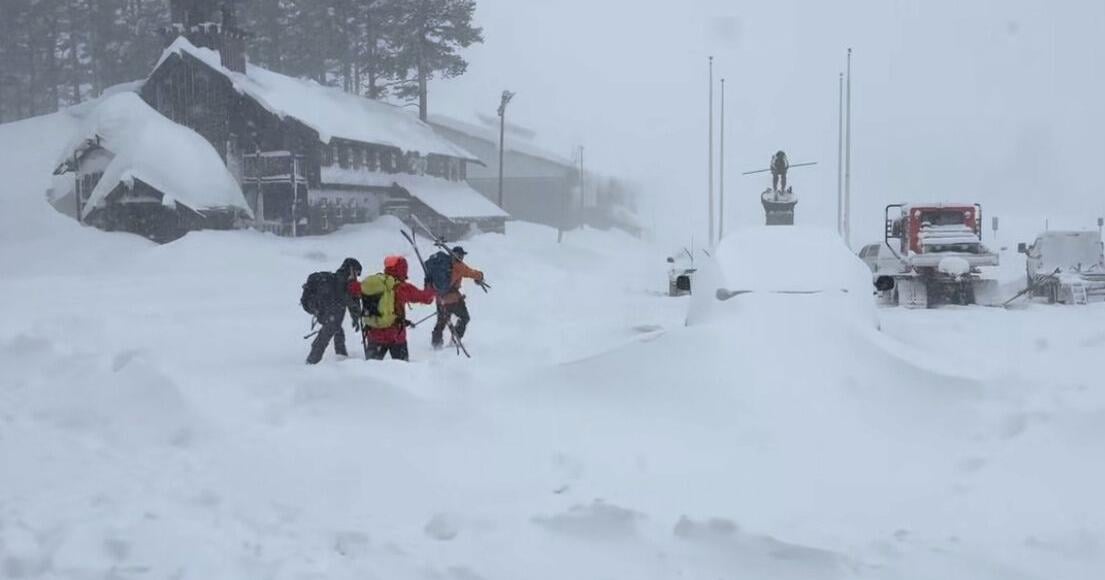
Authorities report that the skiers had minimal time to react when the avalanche struck. According to Capt. Russell “Rusty” Greene from the Nevada County Sheriff’s Office, a warning was issued just as the avalanche overtook them. On Tuesday morning, during a three-day backcountry trek in Northern California’s Sierra Nevada, the avalanche was triggered amid severe winter storm conditions that have impacted the West Coast.
Rescue teams worked efficiently to save six skiers six hours after the avalanche hit, but sadly, the mission has since shifted from rescue to recovery. Nevada County Sheriff Shannan Moon stated at a news conference that investigators will review the decision to continue the trip despite alarming weather forecasts.
Victims and Recovery Efforts
The deceased skiers include a diverse group of seven women and two men, aged between 30 to 55, including three guides. Rescuers have faced considerable challenges due to extreme weather conditions, including snowfall ranging from three to six feet since the group began their expedition on Sunday. The area also experienced sub-zero temperatures and strong winds.
Efforts to recover the bodies have been complicated, as rescuers used beacons and a cellphone signal to locate the victims in treacherous terrain. Survivors managed to shelter themselves while also identifying three other skiers who tragically succumbed before help arrived. One of the rescued skiers remains hospitalized as of Wednesday.
Avalanche Risks and Conditions
The Sierra Avalanche Center has issued warnings regarding the ongoing avalanche threat, citing unstable snowpack and unpredictable conditions in the area. Donner Summit, one of the heaviest snow regions in the Western Hemisphere, averages almost 35 feet of snow yearly. Previous winters have seen similar tragic incidents, with the recent avalanche being the deadliest since 1981 when 11 climbers died on Mount Rainier, Washington.
This tragedy sheds light on the dangers of backcountry skiing in regions known for their extreme weather and difficult terrain. The Blackbird Mountain Guides were leading the trip when disaster struck; they initially reported that 15 skiers were on the excursion, a correction from the earlier belief of 16 participating.
Navigating Backcountry Challenges
Safely navigating backcountry terrains, particularly in winter months, requires specialized skills and equipment. As stated by the Truckee Donner Land Trust, all supplies must be carried to huts where groups often stay overnight. The area was controversially closed for nearly a century before reopening in 2020, but it remains a popular destination for adventurous skiers.
During interviews, Sheriff Moon expressed concern for the victims’ families, noting that the community is grappling with significant grief and shock over the incident.
Conclusion
As investigations continue, the focus remains on honoring the memories of those lost and ensuring such tragedies do not recur. The heightened risks associated with backcountry skiing in severe winter weather call for increased caution, preparation, and awareness among adventure seekers.
For further information on avalanche safety, check resources from organizations such as the National Avalanche Center and the Sierra Avalanche Center.
This article aims to raise awareness about the risks inherent to backcountry skiing, especially during extreme weather conditions, urging adventurers to prioritize safety above all.
