

California’s Climate Lessons: Navigating Extremes from Drought to Deluge
Understanding California’s Climate Shift
This winter’s abrupt transition in California’s weather—from a looming drought to heavy rainfall—highlights a crucial reality of climate change: the necessity for proactive measures against extreme weather phenomena. As the state grapples with varying climate conditions, this stark shift underscores the importance of preparedness.
Recent Weather Events: A Turning Point for Water Resources
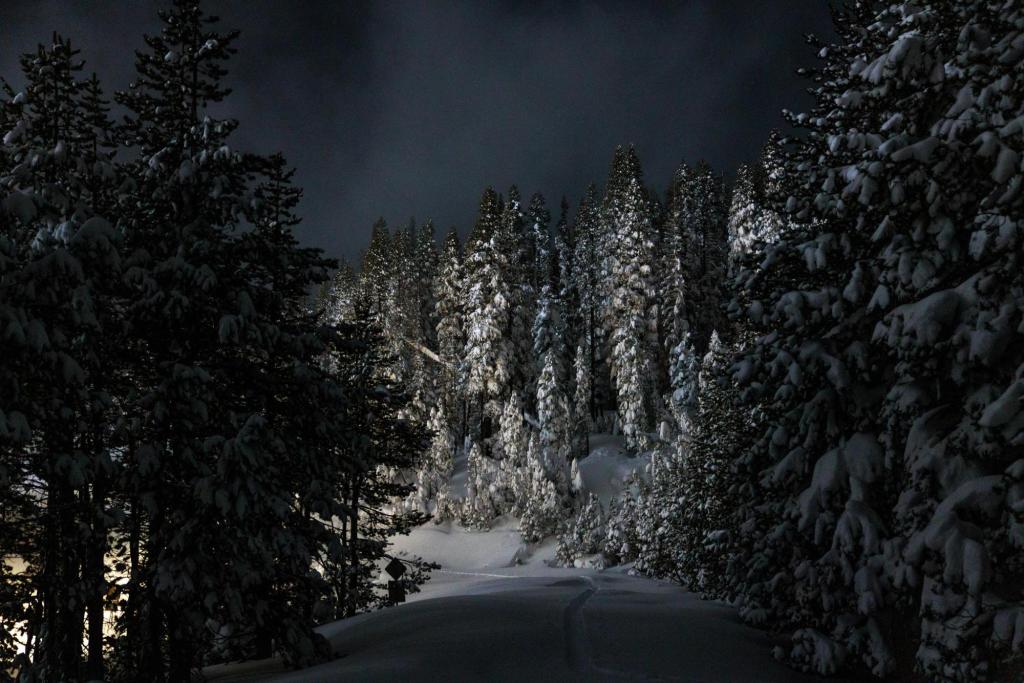
Just a week ago, California appeared to be on the brink of another dry season. However, following three intense storms, the state has experienced torrential rains in lowland areas and substantial snowfall in the Sierra Nevada. This dramatic change has significantly reduced California’s precipitation deficit, with further storms predicted to arrive from the Pacific.
Benefits of Enhanced Precipitation
The current weather patterns promise several advantages:
- Irrigation for Farmers: The influx of water is crucial for agricultural needs.
- Salmon Migration: Improved river flows will support the migration of salmon, enhancing local ecosystems.
- Aquifer Recharge: Increased water levels will contribute to replenishing groundwater reserves.
- Sustaining River Flows: Snowmelt in the coming months will maintain river levels, important for hydropower production and recreational activities.
Tragedy Amidst the Weather Change
Although the arrival of beneficial rain is welcome, the recent deaths of at least eight backcountry skiers in the largest avalanche in state history serve as a somber reminder of the risks extreme winter weather brings. This tragedy illustrates that with heavy storms often come flooding, power outages, and other perilous conditions.
Snowpack Status: A Vital Resource
The California Department of Water Resources recently reported that the state’s snowpack has rebounded to 72% of its average, compared to just 50% a week earlier. With additional snowfall anticipated, there is potential for even greater water reserves.
Importance of the Sierra Snowpack
The Sierra snowpack, which supplies about one-third of California’s fresh water, acts as a natural reservoir. According to the Central Sierra Snow Lab at UC Berkeley, this snowpack functions like a battery, storing water during winter and releasing it throughout the summer. A weakened snowpack threatens future water supplies.
Confronting Drought and Reservoir Recovery
California has faced extended periods of drought from 2021 to 2024, severely depleting reservoirs and aquifers. Thanks to recent storms, the state now finds itself drought-free for the first time in 25 years, with major reservoirs sitting at 119% of their historical average levels. For instance, Lake Sonoma is currently 110% full for mid-February.
Adapting to Climate Change
Climate change involves more than merely rising temperatures; it signals an increase in the frequency of extreme weather patterns. Californians must prepare not only for cyclical droughts but also for significant storm events. Essential preparedness measures include:
- Ready Power Outages: Equip homes with backup power solutions.
- Avoiding Hazardous Conditions: Refrain from driving through flooded areas.
- Community Support: Build networks among neighbors for mutual aid.
- Resource Management: Be mindful not to overload emergency services during crises.
Making Water Conservation a Priority
While a week of wet weather can provide short-term relief, it should not foster complacency. Californians must integrate water conservation strategies into both public policy and daily life. Sustainable landscaping practices and investments in robust water storage infrastructure are critical to ensuring that every drop counts.
Conclusion
As California navigates its complex climate challenges, adaptation and proactive measures will be key in securing water resources for future generations. The state’s evolving weather patterns necessitate a fresh perspective on water management and environmental stewardship. For more insights on water sustainability, visit California Water Resources and explore ways to contribute positively to your community’s water conservation efforts.
By fostering a culture of preparedness and conservation, Californians can better position themselves to face the challenges that lie ahead in this ever-changing climate landscape.
