

California Democrats Address Affordability Amid Critique of Their Own Policies
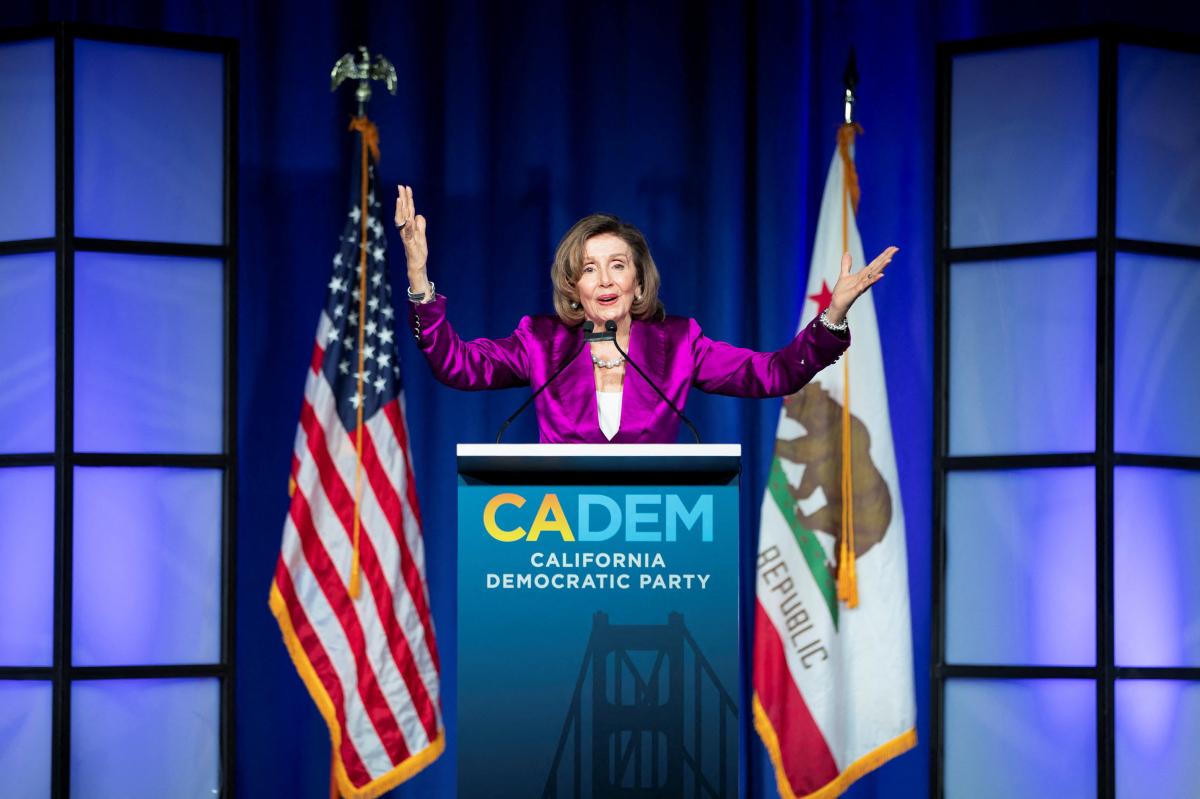
The recent California Democratic Party Convention in San Francisco sparked a significant discussion focused on the pressing issue of affordability. This conversation is ironic, given that many argue the party’s long-standing policies have contributed to skyrocketing living costs in the state.
The Cost Crisis in California
California is notorious for its high cost of living, a situation often blamed on the governing model established by the Democratic Party. This model includes high taxes, stringent regulations, and complex labor and climate mandates, often prioritized over the economic realities facing residents.
Throughout the weekend, speakers emphasized the need to make housing more affordable and reduce costs for working families. However, critics pointed out that many attendees have played pivotal roles in crafting the very policies responsible for California becoming one of the most expensive states to live in.
Taxation and Regulation Trends
Under nearly uninterrupted Democratic control, California has seen its top income tax rate rise to the highest in the nation. Gas taxes are near the top tier, and the state budget has ballooned past $300 billion. Despite these issues, the policy proposals emerging from the convention focused not on significant reforms but rather on increased investment and further state intervention in housing and healthcare.
A Lack of Self-Reflection
While several candidates reaffirmed their commitment to single-payer healthcare and extensive intervention in the housing market, there was a noticeable absence of discussions surrounding the accumulated policies that have contributed to the current crisis. Notably, Governor Gavin Newsom, whose policies have been heavily critiqued, did not attend the convention, opting instead to promote his upcoming book across several states, highlighting a potential shift in his priorities.
Uncertainty in the Democratic Primary
As the convention unfolded, the race for the next governor of California became increasingly fragmented. With nine Democrats vying for the position, none achieved the 60% endorsement needed from the approximately 3,500 delegates present. Eric Swalwell led the pack with 24% of votes, followed by Betty Yee with 17%, Tom Steyer at 13%, and Katie Porter capturing 9%.
This division raises concerns among party members regarding a potential Democratic split in the upcoming general election. With multiple candidates diluting the vote, there is a growing fear of a Republican resurgence, particularly with two candidates—Steve Hilton and Chad Bianco—presenting a unified front.
The Importance of Labor Influence
Despite the convoluted dynamics of the primary race, organized labor remains the most potent force in California politics. Groups like the California Teachers Association and the SEIU are likely to invest heavily in elevating their preferred candidates, should the contenders fail to consolidate their voter bases.
The Road Ahead
The challenges awaiting the next governor are formidable, including a structural deficit, a persistent housing shortage, and a business climate that has seen many firms relocating out of state. Addressing these issues requires more than surface-level proposals; it calls for re-examining the policies that have historically contributed to California’s dilemmas.
Amidst the backdrop of a fragmented field and the absence of a strong unifying candidate, the direction of the Democratic Party remains uncertain. With potential for significant influence from labor unions and the implications of divisive primaries, the upcoming elections may heavily reflect the party’s internal struggles.
Conclusion
As California Democrats rally around the theme of affordability, it’s vital to recognize the complexities of their policy history and the impact on voters. The convention highlighted the urgency of addressing these issues while revealing the challenges that lie ahead for the party and the state.
