

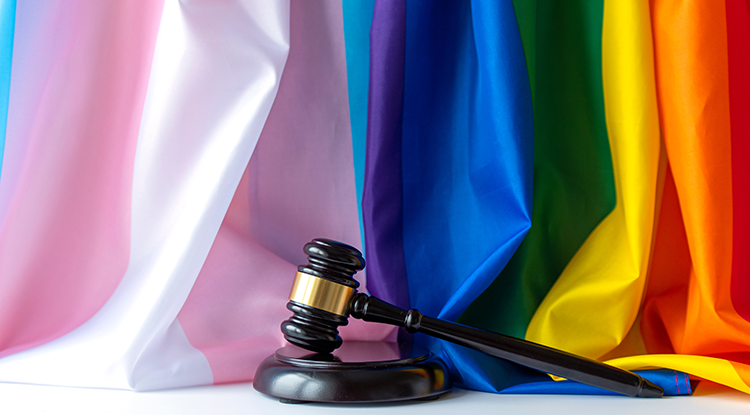
Supreme Court Overturns California Gender Privacy Law in Public Schools
In a significant ruling, the U.S. Supreme Court has prohibited California public schools from withholding parental notification regarding students’ gender identities. This decision arises from an emergency appeal initiated by the conservative legal group, Thomas More Society, which represents parents concerned about the implications of a 2024 state law.
The Ruling Explained
California’s law had established that schools could refrain from informing parents if students opted to change their gender expression or pronouns in the classroom. The Supreme Court’s decision effectively blocks this legislation, reinstating a lower court’s ruling that favors parental notification.
According to the court, “The parents who assert a free exercise claim have sincere religious beliefs about sex and gender, and they feel a religious obligation to raise their children in accordance with those beliefs.” This order was issued without a signed opinion, but the majority opinion articulated concerns that California’s policies infringe upon the rights of parents to guide their children according to their faith.
Background and Arguments
The Thomas More Society’s lawsuit was indicative of broader tensions surrounding parental rights and LGBTQ+ representation in education. Parents involved in the case alleged that the law facilitated children’s social transition without their knowledge or consent, potentially leading to emotional and social turmoil.
In contrast, the state of California argued that students possess the right to privacy concerning their gender identity. Advocates for this perspective contend that it is crucial for students to have the autonomy to disclose their identities to their families on their own terms, fostering a safer environment for LGBTQ+ youth.
Impact and Ongoing Discussions
This ruling adds to the national conversation surrounding the balance of parental rights and the rights of LGBTQ+ students in school systems. As debates intensify, the balance between privacy and parental involvement remains a pivotal concern for educators, lawmakers, and families alike.
For further reading on the implications of this ruling, visit the Associated Press coverage.
Conclusion
The Supreme Court’s decision to ban California’s gender privacy law in public schools underscores the ongoing complexity of issues affecting families and students today. As communities navigate these challenging waters, the implications of this ruling will likely reverberate throughout educational policies across the nation.
For those who wish to engage in dialogue regarding this topic or share insights, consider writing to the editor or providing feedback on related stories.
