

Controversial California Immigration Laws Under Judicial Scrutiny
Understanding the New Legislative Landscape on Law Enforcement Transparency
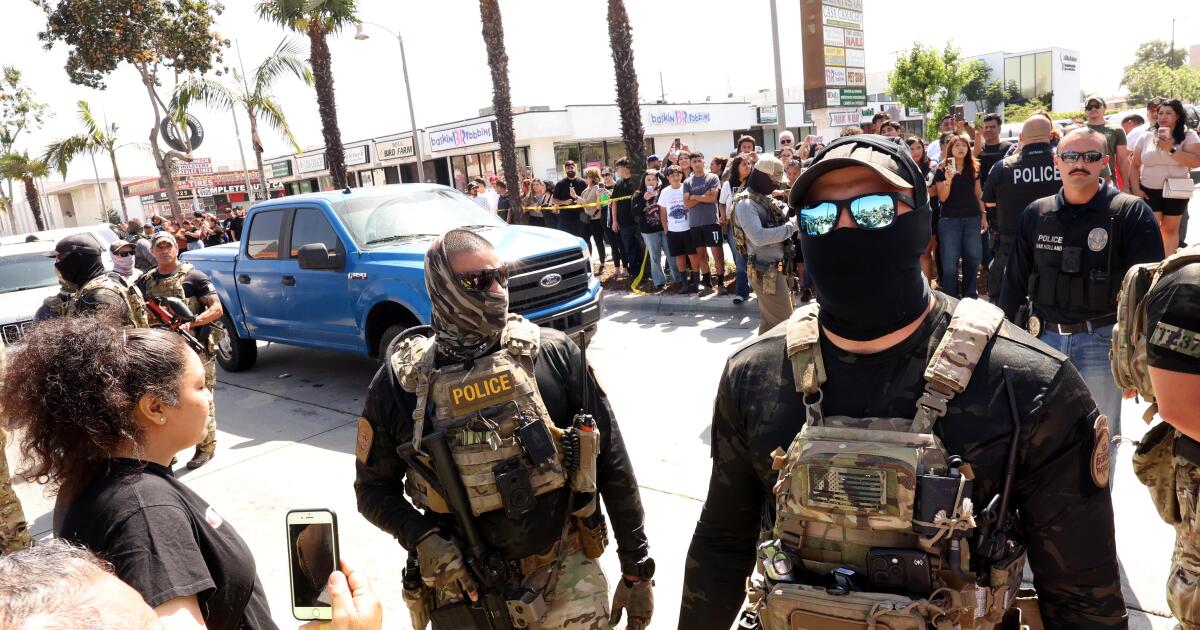
Recent developments in California have put a spotlight on new laws designed to enhance transparency and accountability among law enforcement officers, particularly concerning federal agents such as the U.S. Immigration and Customs Enforcement (ICE). These laws have stirred significant debate, raising questions about their legal implications and effectiveness in a politically charged environment.
Key Legislation Overview
California’s No Secret Police Act and No Vigilantes Act, spearheaded by state Senators Scott Wiener and Sasha Renée Pérez, sought to create a more transparent policing framework.
-
Identification Requirement:
- One key provision mandates that law enforcement officers operate within the state visibly display identification. This includes federal agents like ICE, with limited exceptions for undercover operations.
-
Mask Ban:
- A second provision aimed to prohibit on-duty officers from wearing masks. However, it controversially exempted the California Highway Patrol and state law enforcement, thereby creating a disparity in enforcement.
Judicial Concerns Raised
U.S. District Judge Christina A. Snyder challenged these discrepancies, questioning why state law enforcement was excluded from certain regulations. The California Deputy Attorney General, Cameron Bell, was unable to provide a satisfactory explanation regarding the differing applications of these laws.
Legislative Background
These laws were conceived amidst intense public demand for accountability, particularly after notable incidents involving masked federal agents. Polling indicates broad public support for unmasking ICE, highlighting a significant shift in public sentiment.
Legislative Tension
Behind the scenes, significant tension emerged among California lawmakers as the amendments were debated. Governor Gavin Newsom’s office attempted to introduce changes that would have exempted several federal operations from the mask ban, a move criticized for fundamentally undermining the bill’s intent. The resulting compromise, which excluded statewide officers from the mask ban, ultimately led to legal challenges against the law.
Court’s Response
Judge Snyder ruled against the mask ban on February 9, emphasizing that the exemptions constituted an unlawful discrimination against federal officers. This decision illustrates the complexities of balancing state and federal law enforcement practices and the potential for federal supremacy in these matters.
National Implications
With more than a dozen similar legislative efforts emerging across the United States, California’s actions are being closely monitored as they may set a precedent for future legal battles. Legal experts continue to debate the constitutionality of these laws, with contrasting opinions on whether state regulations can bind federal law enforcement.
Perspectives from Experts
- Erwin Chemerinsky, Dean of UC Berkeley Law School, asserts there is a strong argument for the constitutionality of the ID law as it applies equally to all law enforcement.
- Conversely, Eric J. Segall, a law professor at Georgia State University, expresses skepticism about the legal standing of state laws that attempt to regulate federal operations.
Moving Forward
California has vowed to continue its push for stronger legislative measures regarding law enforcement. Both Wiener and Newsom have publicly committed to refining these regulations to establish a clearer legal groundwork.
Broader Political Landscape
As California navigates this legislative maze, other states are also considering similar measures. The effectiveness and legality of these laws will likely face intense scrutiny that could extend all the way to the Supreme Court.
Conclusion
California’s new legislation aims to promote transparency and accountability, reflecting a growing movement to reevaluate the role of federal authorities like ICE within state boundaries. As these laws undergo judicial review, their outcomes will significantly shape the narrative around law enforcement practices across the nation.
For further information on immigration and law enforcement issues, visit the American Civil Liberties Union and National Immigration Law Center.
