

Unidentified Aerial Phenomena Engages U.S. Military: Insights from California’s Skies
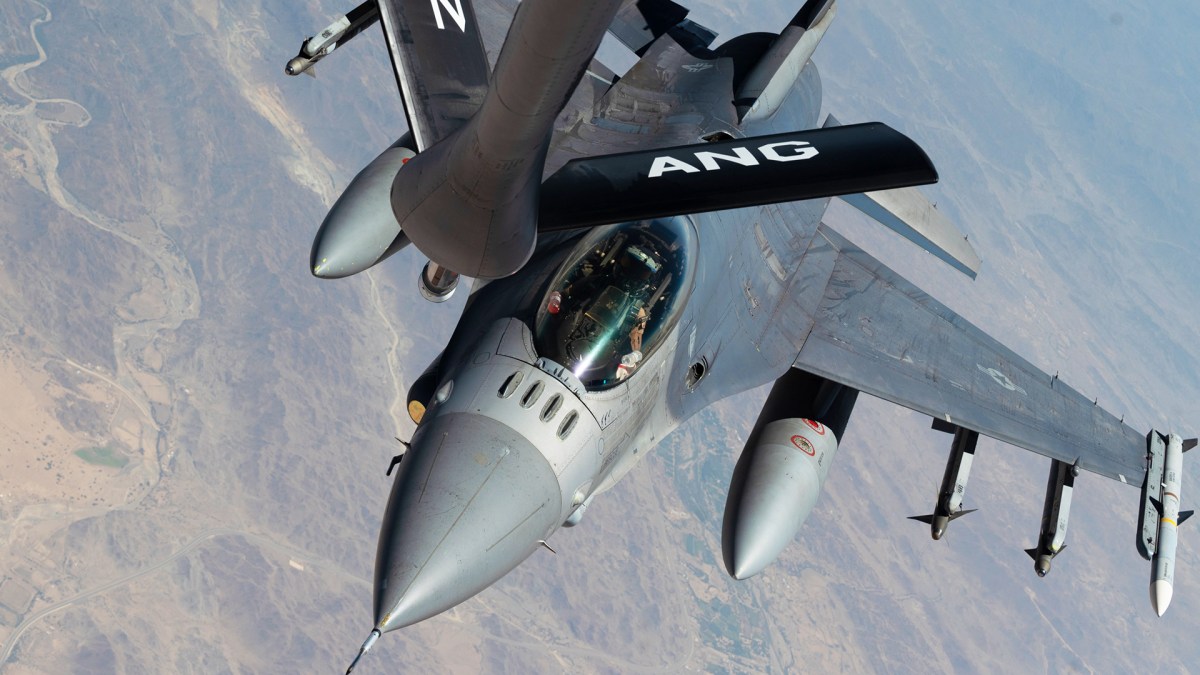
This week, two F-16 fighter jets were scrambled from March Air Reserve Base in California in response to unidentified aerial phenomena (UAP) reported over Northern California and Nevada. The incident highlights the complex dynamics between military response and unidentified objects in the sky, revealing the ongoing challenges faced by air traffic control and defense authorities.
Context of the Incident
The squabble began around 4:30 a.m. local time on Sunday when air traffic controllers detected unusual objects in the skies above Reno, Nevada. The North American Aerospace Defense Command (NORAD) initiated the scramble of fighter jets after the FAA sought visual confirmation from multiple aircraft in the area, prompting a rapid military response.
Initial Identification
Initially, the objects were reported with characteristics that made them difficult to identify. However, NORAD later clarified that both objects observed were weather balloons, a common source of confusion in tracking UAP. This incident reignited discussions about how often balloons and other benign objects are mistaken for more concerning aerial threats.
With incidents like these, passive objects can easily escalate concerns. Notably, military and civilian communities often recall past scenarios where balloons were attributed to strange sightings, dating back to the Roswell incident.
Aerospace Response Mechanics
As the F-16s—designated SURF 31 and SURF 32—approached the reported locations, they were aided by a KC-135 Stratotanker, which provided them with extended operational range through air-to-air refueling. During this time, civilian aircraft, including a UPS flight, also engaged in observing the unidentified objects, reporting mysterious glowing phenomena around Sacramento.
Audio recordings from air traffic control showed communications between UPS Flight 32 and Oakland Center, illustrating efforts to pinpoint the nature of these aerial anomalies. The UPS pilot described a “glowing and dimming” object, highlighting the confusion that often clouds UAP discussions.
The Final Analysis
After several hours of investigation, the F-16 pilots spotted one of the objects and described it as a balloon, lacking noticeable features that would typically indicate a complex payload, such as solar panels. NORAD confirmed its evaluation that both tracks were consistent with typical weather balloons, stating that they posed no threat to national security or civilian aviation.
Insights on Unidentified Objects
Balloons have emerged as common identifiers among UAP reports. According to the Pentagon’s All-domain Anomaly Resolution Office (AARO), balloons accounted for over 52% of identified UAP reports over a recent 30-year period. This highlights the importance of refining tracking systems to distinguish between benign and potentially hazardous aerial phenomena.
Broader Implications and Historical Context
Interestingly, this wasn’t the first time balloons sparked major military engagements. In early 2023, a Chinese surveillance balloon traversed the U.S., evidencing larger risks associated with aerial surveillance and the growing necessity for accurate tracking technologies. NORAD has since adjusted its strategies to increase sensor data collection, revealing the significant national security challenges balloons present.
As more identified balloons emerge in the conversation surrounding UAPs, it becomes increasingly crucial for military and aviation authorities to improve their tracking mechanisms and ensure swift, precise responses to potential threats.
For more detailed reports on aerial incidents and military responses, follow The War Zone and stay updated on the latest developments in military technology and strategy.
