

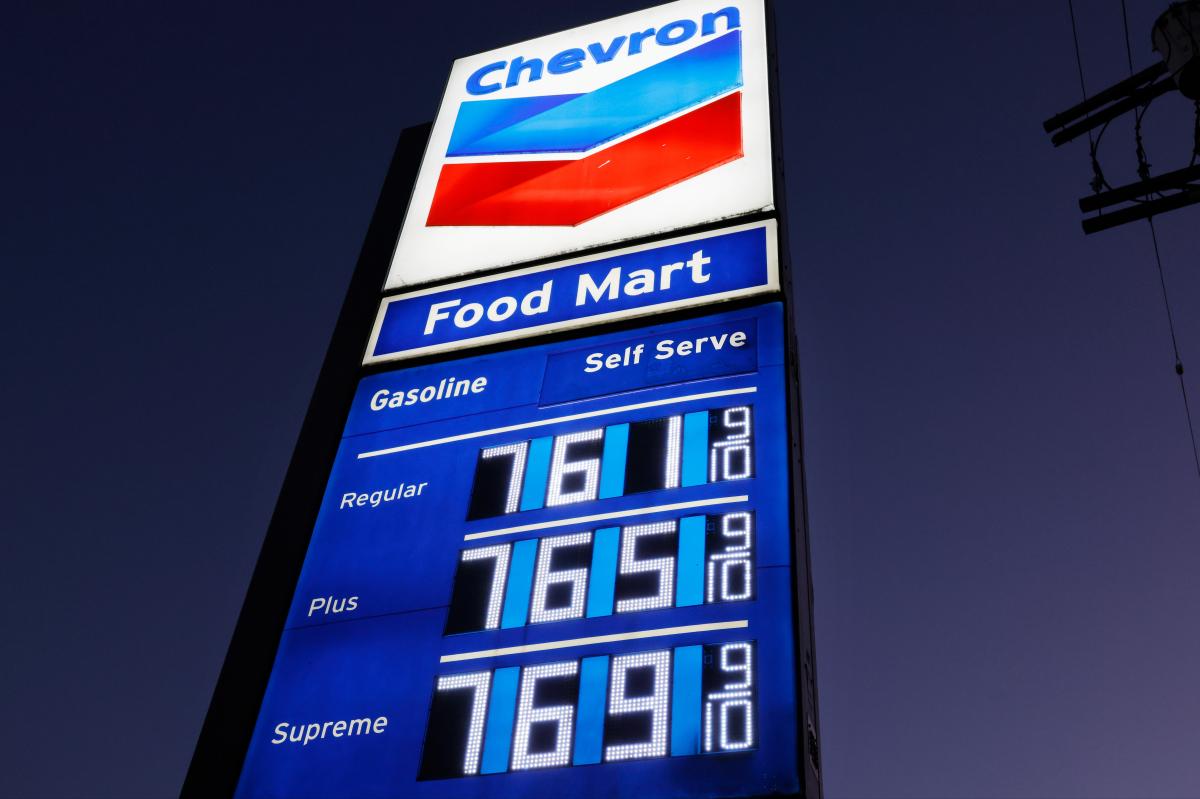
Chevron’s Move to Texas and Impact on California’s Energy Landscape
Chevron, a major player in the energy sector, has announced its decision to relocate its headquarters from the Bay Area to Houston, Texas, slated for 2024. This significant move follows a formal warning to California’s Governor Gavin Newsom about the potential economic fallout from proposed changes to the state’s Cap-and-Invest regulations.
Potential Consequences of Cap-and-Invest Regulations
In a letter addressed to Governor Newsom, Chevron cautioned that the implementation of these new regulations could “cripple the survivability of the state’s remaining refineries.” The regulations stipulate that companies must secure adequate allowances to offset their greenhouse gas emissions. Should these changes be enacted, Chevron predicts a spike in gasoline prices—potentially exceeding a dollar per gallon by 2030.
The California Air Resources Board (CARB) governs the Cap-and-Invest program, requiring companies to obtain permits commensurate with their emissions. Companies lacking sufficient allowances must acquire additional permits, either through CARB’s quarterly auctions or private sales. If the proposed regulations lead to a surge in the price of these allowances, the operational viability of refineries in California could be severely compromised.
California’s Fuel Landscape
California has unique environmental standards that necessitate fuel to be refined within the state. A 2024 policy report highlighted that due to these stringent conditions, California has effectively become a “fuel island,” making it difficult to source gasoline from other states during upheavals. Presently, over 70% of the state’s crude oil is imported, with most refined fuel produced domestically.
Several major refineries have either closed or are in the process of shutting down operations. Historically, the state had 42 refineries, but that number is expected to dwindle to just 11. The ramifications of further closures would be catastrophic, particularly as California’s existing refineries already face challenges in meeting rising fuel demands.
Economic Ramifications for California
Chevron emphasized to the governor that over half a million jobs in the fossil fuel sector are at risk, contributing $64 billion in various taxes at federal, state, and local levels. Without local refineries capable of producing compliant fuel blends, California might have to import gasoline from select locations, such as Asia, negatively impacting supply levels and driving up prices.
California already holds the title for the highest gasoline taxes in the nation, with average prices reaching approximately $4.80 per gallon as of March 2025. The state’s fiscal policies disproportionately burden low-income residents, forcing them to allocate a significant portion of their income to fuel expenses, essentially functioning as a regressive tax.
National Security Considerations
The consequences of tightening fuel regulations have far-reaching implications for national security as well. California’s ports and military installations depend on fuel supplies from the same refineries servicing consumers. Disruptions in fuel availability could compromise the operational capabilities of critical infrastructure.
Conclusion
Chevron’s impending move to Texas and its warning regarding California’s Cap-and-Invest regulations shed light on the precarious nature of the state’s energy landscape. With increased regulatory pressures and dwindling refinery numbers, California faces potential fuel supply crises that could adversely affect both its economy and national security. The ongoing dialogue surrounding these issues highlights the need for a balanced approach to energy regulation that considers both environmental objectives and economic realities.
