

The Rising Cost of Natural Disasters in Rural California: The Urgent Need for Mitigation
Natural disasters in California are increasingly frequent and unpredictable. The state faces rapid wildfires that spread with alarming intensity and atmospheric rivers that bring unprecedented flooding to areas previously untouched by such calamities. Rural communities, in particular, find themselves on the frontline of these environmental changes.
The Impact of Recent Wildfires
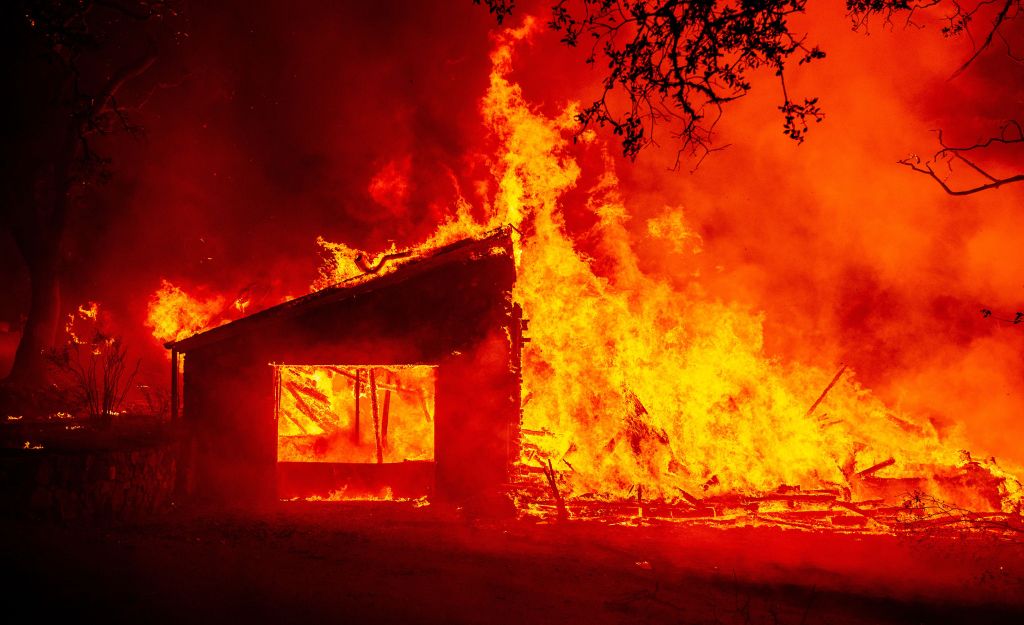
In Napa County, the aftermath of the 2020 Glass Fire serves as a stark reminder of these vulnerabilities. Over 23 days, the fire obliterated 1,555 homes and commercial properties, leading to extensive displacement and transformation of neighborhoods. This incident wasn’t an outlier; past events like the 2018 Mendocino Complex Fire and the 2017 Sonoma Complex Fire also left devastating impacts on the region.
The frequency of such disasters poses escalating hazards for rural populations, particularly concerning financial stability. Homeowners are grappling with skyrocketing insurance premiums and, in many cases, the inability to secure policies altogether.
The Insurance Crisis
As insurance becomes increasingly unaffordable, the repercussions are far-reaching:
- Mortgages: Stricter insurance requirements lead to difficulties in obtaining mortgages.
- Property Values: A decline in insurance availability negatively impacts property values.
- Economic Stagnation: Rural areas risk facing slower investments and diminished economic opportunities.
If these trends continue, they could jeopardize the long-term sustainability of rural California.
The Importance of Mitigation
One timely and effective solution to this crisis is investment in disaster mitigation.
Enhancing Home Resilience
Research indicates that homes equipped with fire-resistant roofs, ember-resistant vents, and sufficient defensible space are far more likely to withstand wildfires. A 2025 study from UC Berkeley revealed that homes employing these hardening measures doubled their chances of survival during a wildfire event.
The Financial Barrier
However, the challenge persists: these home upgrades often require substantial upfront costs that many homeowners cannot afford. To stabilize insurance markets and ensure family protection, investment in prevention strategies becomes essential.
Legislative Action: The Disaster Resiliency and Coverage Act of 2025
The Disaster Resiliency and Coverage Act of 2025 (H.R. 1105) currently under consideration by Congress is a pivotal initiative aimed at narrowing the insurance coverage gap. This legislation recognizes that responding to these disasters necessitates a comprehensive, government-wide approach.
Key Provisions of H.R. 1105
H.R. 1105 aims to provide vital resources for homeowners to strengthen their residences against risks, including:
- Extension of grant funding
- Creation of tax incentives for mitigation efforts
According to the National Institute of Building Sciences, every dollar spent on home hardening can save up to $4 in future disaster losses. Such investments not only mitigate damage but also enhance insurability and fortify communities before disasters strike.
Proactive Measures: Local Initiatives
Rural communities are actively pursuing measures to enhance disaster preparedness. In Napa County, for example, residents are organizing through 23 neighborhood fire safe councils, collaborating with local nonprofits and government officials to create actionable plans focused on reducing wildfire risks. Homeowners are also diligently creating defensible spaces and undertaking necessary upgrades.
Despite these commendable efforts, the challenges presented by natural disasters exceed what local communities can manage independently. Federal support remains essential to ensure that rural areas remain viable, insurable, and economically stable. H.R. 1105 represents a crucial step toward achieving resilience and should receive immediate attention.
By focusing on prevention and mitigation, California can set an example of proactive governance in the face of climate-induced challenges.
