

California Governor Critiques U.S. Military Actions in West Asia
Governor Gavin Newsom Questions Justification for War
In a recent statement, California Governor Gavin Newsom expressed his discontent with the ongoing military actions by the United States against Iran and the implications for West Asia. He questioned the rationale behind these military moves, asking, “Why should we have a president who cannot provide a logical reason for starting this war?” This sentiment reflects a growing concern among many citizens regarding the decisions driving American foreign policy.
Outrage Over Israeli Policies
Newsom did not hold back in his criticism of Israeli Prime Minister Benjamin Netanyahu. He labeled Netanyahu’s actions as akin to apartheid, stating, “I am outraged by what he is doing.” The governance and policies being implemented under Netanyahu’s administration have drawn significant international scrutiny, particularly concerning their impact on the Palestinian population and broader regional stability.
Public Opposition to Military Engagement
According to a survey by PBS News in collaboration with NPR and Marist, public sentiment in the United States is largely against military intervention in Iran. The poll revealed that 56% of Americans are opposed to military strikes, while 54% reject former President Trump’s foreign policy approach towards the nation. This growing dissent signals a shift in public opinion that may influence future U.S. engagements in the region.
Impact on Fuel Prices Amid Global Tensions
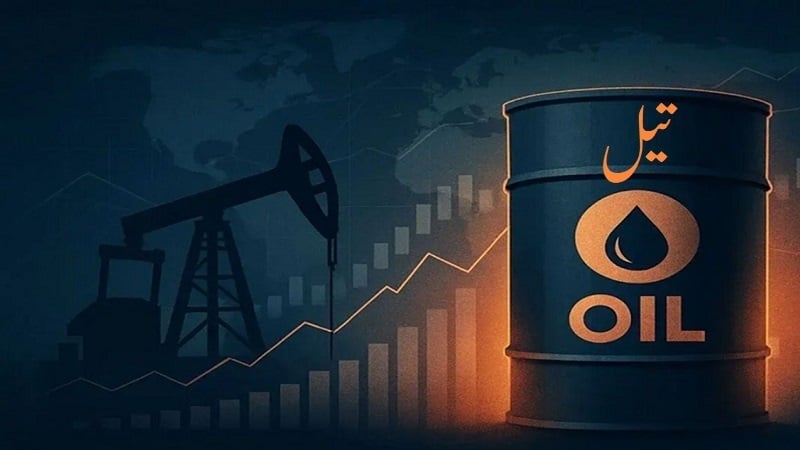
As tensions escalate, the implications are felt domestically, particularly in the realm of fuel prices. Recent reports from Reuters indicate that gasoline and diesel prices in the U.S. have surged by over 10% following the escalation of military actions. Crude oil prices have surpassed $90 per barrel, contributing to economic strain on consumers who are already grappling with high inflation rates.
The Broader Economic Implications
The rise in fuel prices not only affects individual consumers but has broader economic consequences. Increased costs at the pump can lead to higher expenses for transportation and goods, exacerbating the challenges faced by American households.
Conclusion: A Call for Thoughtful Dialogue
Governor Newsom’s criticisms underscore a growing wave of dissent regarding U.S. military involvement in West Asia. As more citizens voice their concerns, it becomes essential for political leaders to engage in meaningful dialogue about the direction of American foreign policy and its impacts, both domestically and abroad. Addressing these issues could pave the way for a more considered and compassionate approach to international relations.
For those interested in understanding the complexities surrounding U.S. foreign policy and its effects on global dynamics, it’s crucial to stay informed and participate in ongoing discussions. The future peace of the region may depend on the choices made today.
