

Southwest Sweats Under Historic Heat Wave
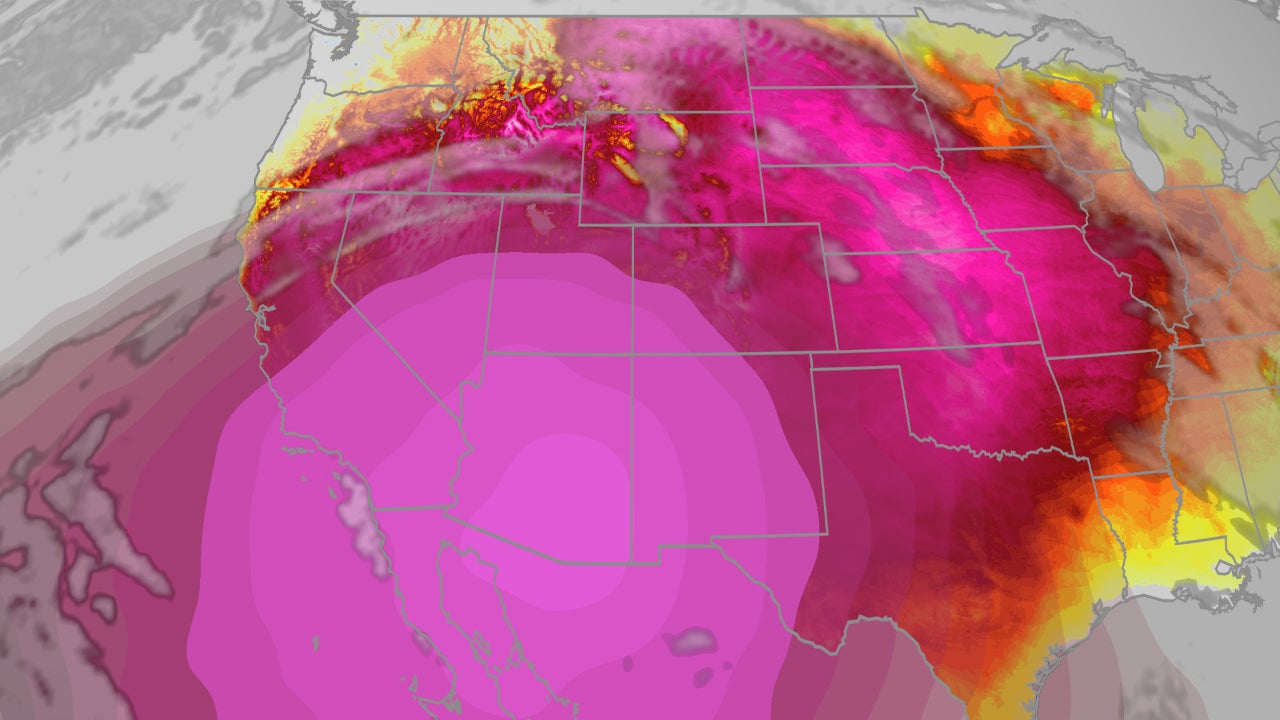
A historic heat wave is currently gripping the western United States, extending its reach into the Plains. This phenomenon is poised to shatter all-time record highs, not just for March but potentially spilling into April. As temperatures rise, residents in the Southwest should prepare for an extended period of excessive warmth.
Record-Breaking March Temperatures
This unprecedented heat has already resulted in eleven cities across California and Arizona setting or tying new March temperature records. For instance, Redwood City, California, recorded a staggering 90°F for the first time in 96 years, followed by another high of 93°F the next day. Other areas, like Santa Ana and Flagstaff, saw temperatures soar to 100°F and 73°F, respectively.
Baker Beach Lashed by Heat: Visitors flocked to Baker Beach near the Golden Gate Bridge as a heat advisory was issued in San Francisco.
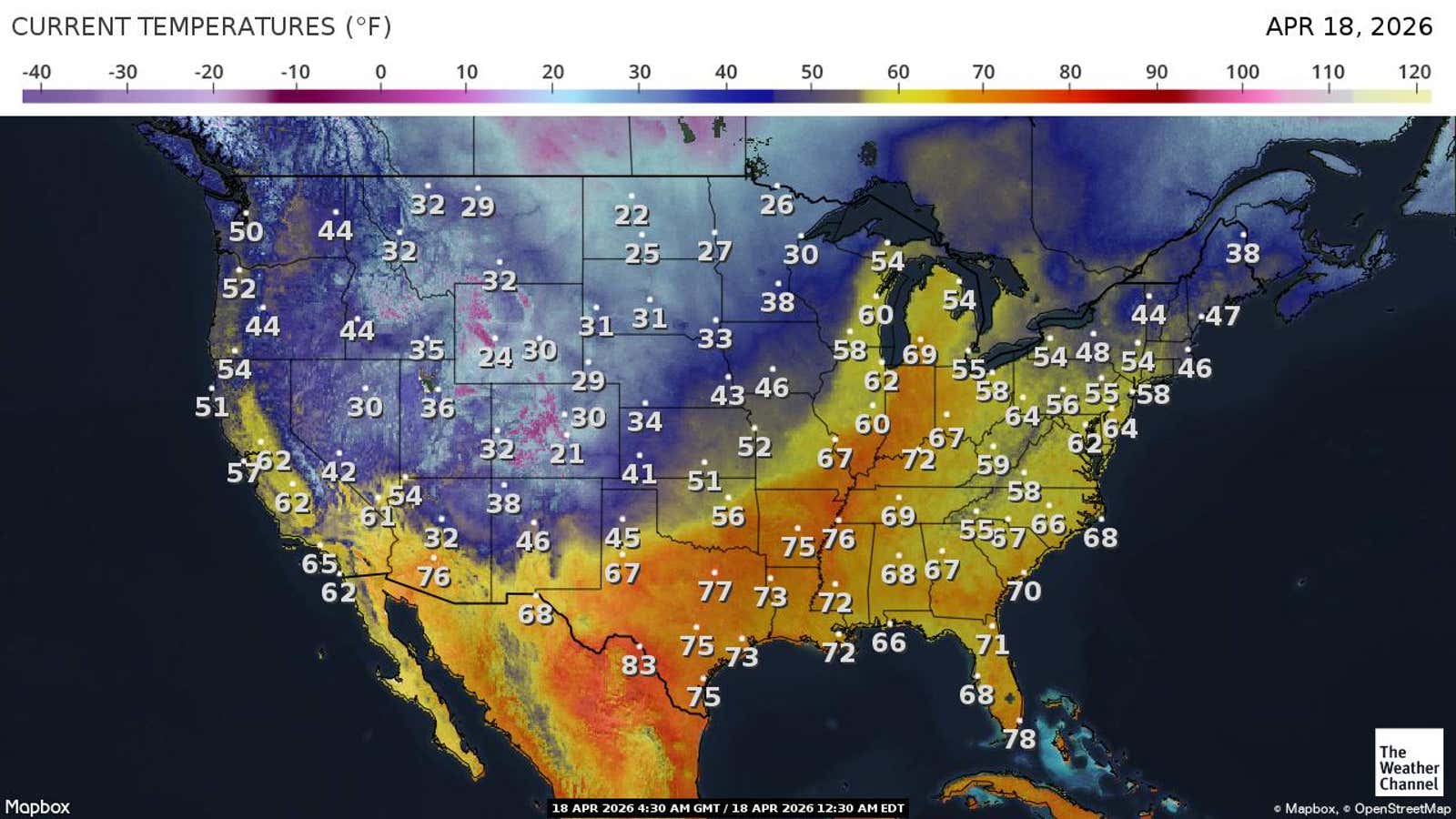
Current Temperature Trends
As the heat wave escalates, the National Weather Service has issued extreme heat warnings in the Southwest, marking the first heat advisory for March in the Bay Area’s history. Expect intensifying temperatures, particularly as this heat spreads to other parts of the West and the Southern Plains over the coming days.
Forecasted Highs: A Glimpse of Summer
This heat wave is forecasted to bring triple-digit highs to the Desert Southwest, affecting cities from Phoenix and Tucson to parts of Las Vegas and the L.A. Basin. Notably, it could lead to temperatures exceeding 100°F for several consecutive days. Meanwhile, regions like California’s Central Valley and select parts of the Bay Area could see sustained temperatures in the 90s.
State-Wide Temperature Expectations:
- Desert Southwest: Triple-digit temperatures.
- California’s Central Valley: Highs in the 90s.
- Southern Plains: Century mark highs are possible.
Noteworthy Historical Context
This heat wave is significant not just for its high temperatures but because it risks breaking records for any March day across more than 100 cities from California to Nebraska. Remarkably, cities that historically have not witnessed certain temperature thresholds in March are facing the possibility of unprecedented highs. For instance, Kansas City hasn’t reached 90°F in March since 1910, but it may soon do so.
Potential All-Time Records at Risk
Some state records could be challenged, including:
- California: 107°F at Mecca (March 21, 2004)
- Arizona: 104°F at Yuma (March 21, 2004)
- Oklahoma: 104°F at Frederick (March 27, 1971)
Moreover, the all-time U.S. March record of 108°F in Rio Grande City, Texas, could also be in jeopardy.
The Science Behind the Heat
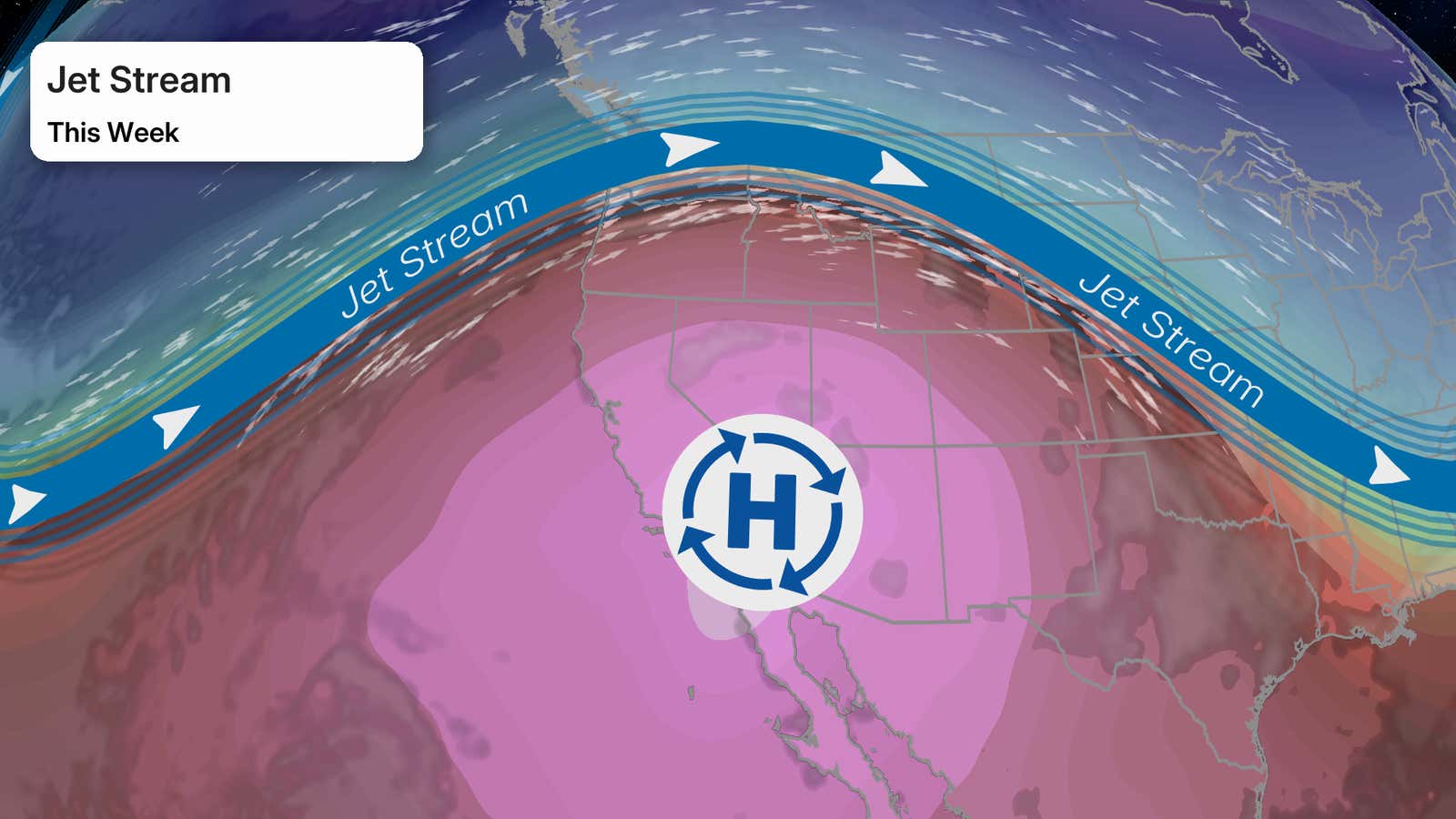
This exceptional heat wave is largely due to a heat dome, a ridge of high pressure settled over the West. This phenomenon is noted for its record-breaking temperatures comparable to what typically occurs in July. While this ridge may flatten next week, it remains a key factor in the extraordinarily warm weather experienced this month.
Climate Change and Snowpack Implications
The warmest winter on record has severely impacted snowpack levels across the West, which are reported to be at their lowest levels in over two decades. For example, Colorado’s snowpack is significantly below average, and California’s Sierra snowpack is at just 42% of the norm. This heat wave will exacerbate snow loss, potentially leading to expanded drought conditions and elevated fire risks heading into summer.
According to Climate Central, this extreme heat is made at least five times more likely due to climate change, emphasizing the urgency of addressing our environmental challenges.
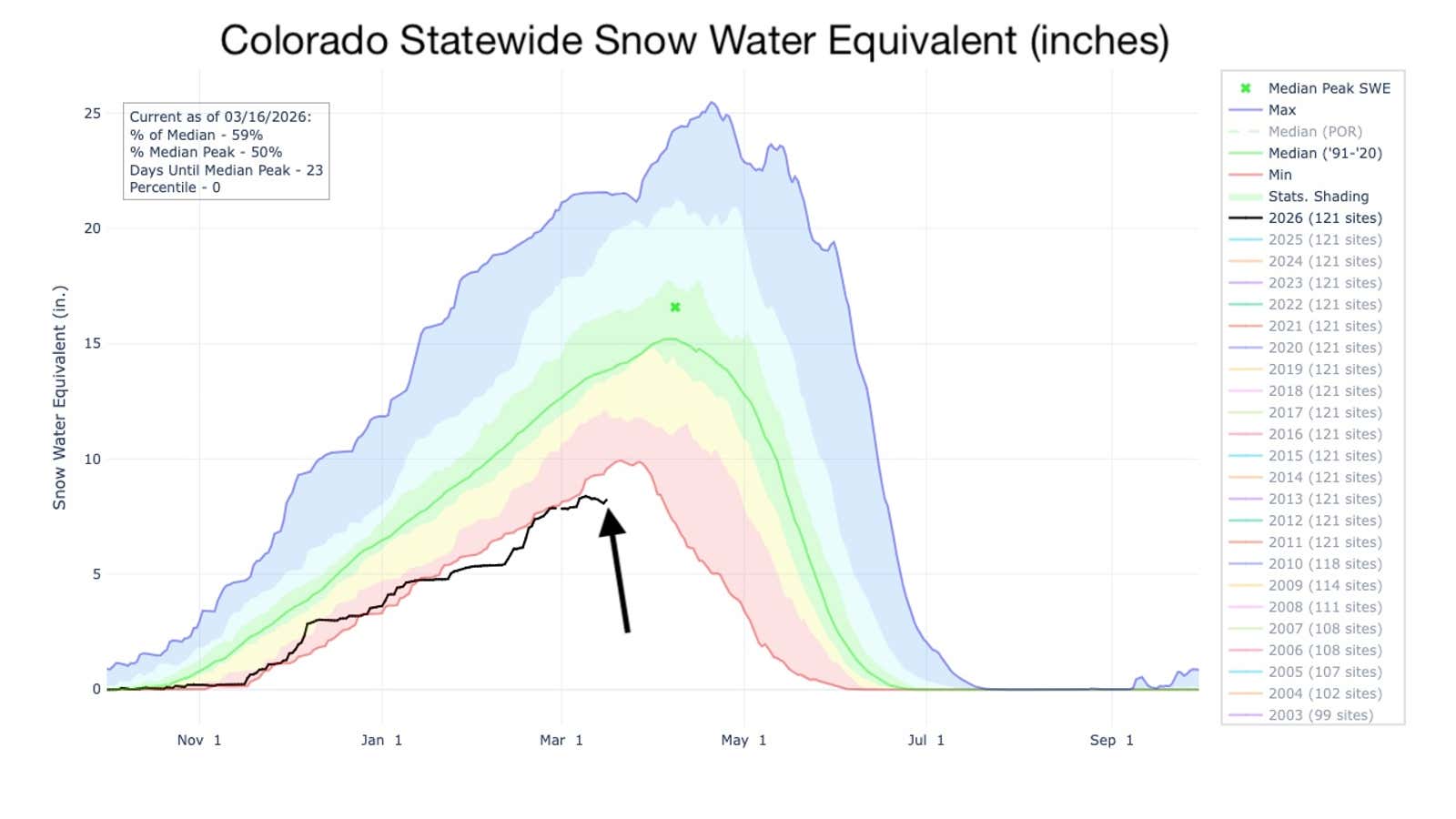
Observing Colorado’s Snowpack: The 2025-26 season has seen dramatically declining snow levels, impacting water resources.
Conclusion: Preparedness is Key
As the Southwest endures unparalleled heat, it is crucial for residents to stay informed and adopt heat safety measures. This heat wave could become one of the most significant and sustained March heat events on record, thus highlighting the intersection of climate patterns and emerging weather extremes.
For ongoing updates and safety tips, visit National Weather Service Heat Safety and stay prepared as we navigate this unexpected and intense weather phenomenon.
