

The Complex Legacy of Cesar Chavez: Untangling Charisma and Controversy
Introduction to Cesar Chavez
Cesar Chavez, a pivotal figure in the labor rights movement, is best known for his relentless advocacy for the rights of farmworkers in the United States. From leading the United Farm Workers (UFW) to organizing successful boycotts against major agricultural corporations, Chavez transformed the conditions for many workers in the industry. However, recent revelations have overshadowed his legacy, raising questions about the complex dynamics within the UFW and the personal conduct of its leader.
A Surprising Staff Meeting
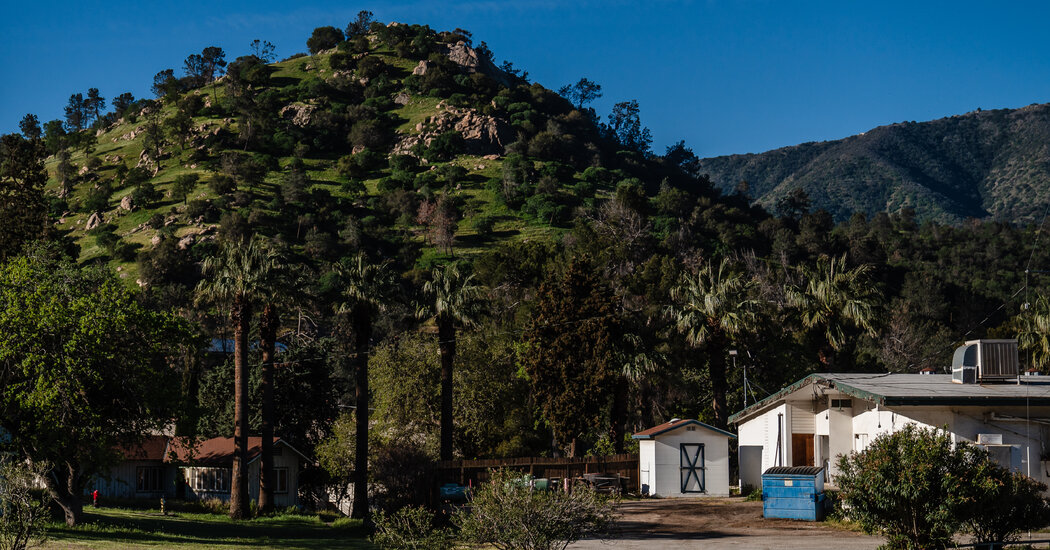
In 1979, Chavez convened a staff meeting at the UFW headquarters, located in the Tehachapi Mountains, miles from urban centers. As the meeting concluded, he made a sudden and unusual request. “Who can see my aura?” he asked while instructing someone to turn off the lights. This incident, described by longtime UFW organizer Larry Tramutola, left many of Chavez’s closest associates bewildered. Tramutola and his wife shared an uncomfortable glance, unsure of what to make of the situation.
The Mystique of Leadership
Chavez was an enigmatic figure, inspiring deep loyalty among his followers. Tramutola recounted how they moved their family to the UFW compound, known as La Paz, in response to Chavez’s appeal for dedication to the cause. They participated in intense self-examination sessions and adhered to Chavez’s directives, even when they seemed unconventional. The bond they felt with Chavez was palpable; yet, as the years passed, certain interactions began to raise eyebrows.
Recent Allegations and Their Impact
The narrative surrounding Chavez has recently taken a darker turn. Allegations of sexual abuse and assault have emerged, forcing activists and supporters to reassess their views on a man once hailed as a champion of civil rights. Longtime advocates expressed shock as they reflected on their experiences with Chavez, particularly during his time at La Paz, where he resided with a significant number of followers for nearly 25 years.
The Environment at La Paz
La Paz served as a sanctuary for many who believed in Chavez’s vision. However, it was also a place where accountability seems to have weakened. Critics argue that the power dynamics at play might have contributed to an environment where inappropriate behavior could flourish unnoticed.
Revisiting Chavez’s Legacy
The legacy of Cesar Chavez represents both profound achievements and troubling missteps. While his fight for farmworkers’ rights deserves recognition, the emerging allegations complicate that narrative. Longtime activists now grapple with the reality that the man who once inspired generations may have also fostered an atmosphere rife with misconduct.
Moving Forward: A Call for Reflection
As discussions about Chavez’s actions unfold, it is essential to consider the larger implications for labor movements and social justice initiatives. Understanding the intricate dynamics of leadership can serve as a vital lesson for activists in every realm, emphasizing the importance of accountability and ethical conduct.
Conclusion
Cesar Chavez’s story is one of both triumph and turmoil. As the legacy of this iconic figure undergoes scrutiny, it is clear that the fight for justice must continue thoughtfully, learning from past mistakes while honoring the pioneering work done to secure rights for farmworkers across the nation.
For an in-depth look at Cesar Chavez’s life and contributions, visit the American History Dictionary, where you can explore a wealth of information about this influential leader.
By addressing the layers of Cesar Chavez’s legacy with candor and depth, we can ensure both admiration for his achievements and vigilance regarding the responsibility that comes with leadership.
