

California Woman Reunites With Daughter After Unjust Deportation
SACRAMENTO, Calif. – In a heartwarming turn of events, a California woman who was deported to Mexico after living in the U.S. for 27 years has reunited with her daughter thanks to a recent court order. Maria de Jesús Estrada Juárez, a Mexican citizen, was removed from the U.S. in February amid allegations of violating her immigration status.
The Impact of DACA on Immigration Status
Estrada Juárez was previously protected under the Deferred Action for Childhood Arrivals (DACA), a program initiated during the Obama administration aimed at shielding individuals who entered the U.S. as children from deportation. However, following an immigration hearing on February 18, she was arrested by U.S. Immigration and Customs Enforcement (ICE) and deported the next day.
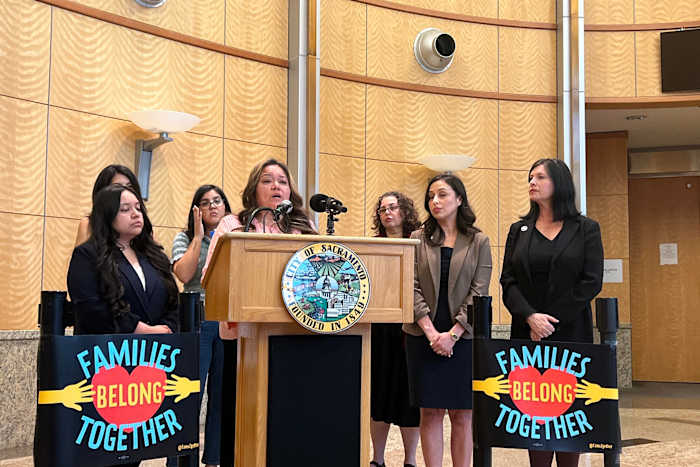
“I didn’t get to say goodbye,” said the 42-year-old mother during a press conference in Sacramento. Her voice choked with emotion as she recounted the sudden separation from her family.
The Emotional Toll of Separation
Damaris Bello, Estrada Juárez’s 22-year-old daughter, expressed the emotional turmoil she experienced during her mother’s absence. “It was like grieving someone who was still alive,” she said, highlighting the heartache caused by their unexpected separation.
Immigration advocates emphasize that Estrada Juárez’s case showcases the pressing need for more robust protections for DACA recipients, often termed “Dreamers.” The deportation illustrates how vulnerable these individuals are to sudden immigration policy changes.
Judicial Relief and Return to the U.S.
The situation took a favorable turn when U.S. District Judge Dena Coggins issued a temporary restraining order on March 23, mandating Estrada Juárez’s return to the United States within seven days. The judge ruled that her deportation was a “flagrant violation” of her DACA protections and infringed on her due process rights.
“The current administration seems to prioritize speed and quotas over fairness in immigration policy,” stated Talia Inlender, deputy director at the Center for Immigration Law and Policy at UCLA School of Law. This case represents a rare instance of a judicial order leading to a deportee’s return.
Legal Context of the Deportation
Federal officials defended the deportation, arguing it was based on a 1998 removal order stemming from Estrada Juárez’s teenage years. Though warned, she returned to the U.S. weeks later and received DACA status in 2013. The reinstatement of the earlier order came after her arrest this year, a move that has raised questions among advocates and legal experts.
“It’s baffling that they would move forward with a removal based on an order that wasn’t properly communicated,” explained immigration attorney Stacy Tolchin.
A Family Reunited
After weeks of uncertainty spent with relatives in Mexico, Estrada Juárez was finally reunited with Damaris on Monday night. “Having her back home means everything to me,” Damaris stated, expressing her hope that no other families would endure similar hardships.
Conclusion: A Call for Reform
The reunion of Maria de Jesús Estrada Juárez with her daughter serves as a poignant reminder of the complexities surrounding immigration policies. As advocates continue to push for legislative reforms aimed at protecting immigrants, this case may highlight not only the personal toll of these policies but also the urgent need for comprehensive immigration reform in the U.S.
For more on immigration issues and updates, you can refer to resources from the American Immigration Council and the National Immigration Law Center.
