

California’s Taxing Dilemma: Voter Decisions on Sales Tax Hikes
As California heads towards crucial elections, state voters are positioned to make significant decisions impacting their wallets and the broader economy. From selecting a new governor to filling statewide offices, the ballots in June and November are set to challenge Californians with a medley of contentious measures, including the potential increase in already elevated sales tax rates.
Local Sales Tax Proposals in Los Angeles
In Los Angeles County, officials are proposing an increase of half a percentage point to the current sales tax rate, already exceeding 10% in several cities. This hike aims to compensate for anticipated reductions in federal healthcare funding, amounting to a staggering $2.4 billion in lost aid over three years. The proposal has sparked debate, with various stakeholders expressing concern about its implications.
For instance, the California Contract Cities Association, representing 73 member cities that rely on county government services, has voiced opposition. The association argues that this increase could complicate individual cities’ efforts to raise their own taxes, effectively placing additional financial burdens on local governments.
Bay Area’s Transit Tax Measures
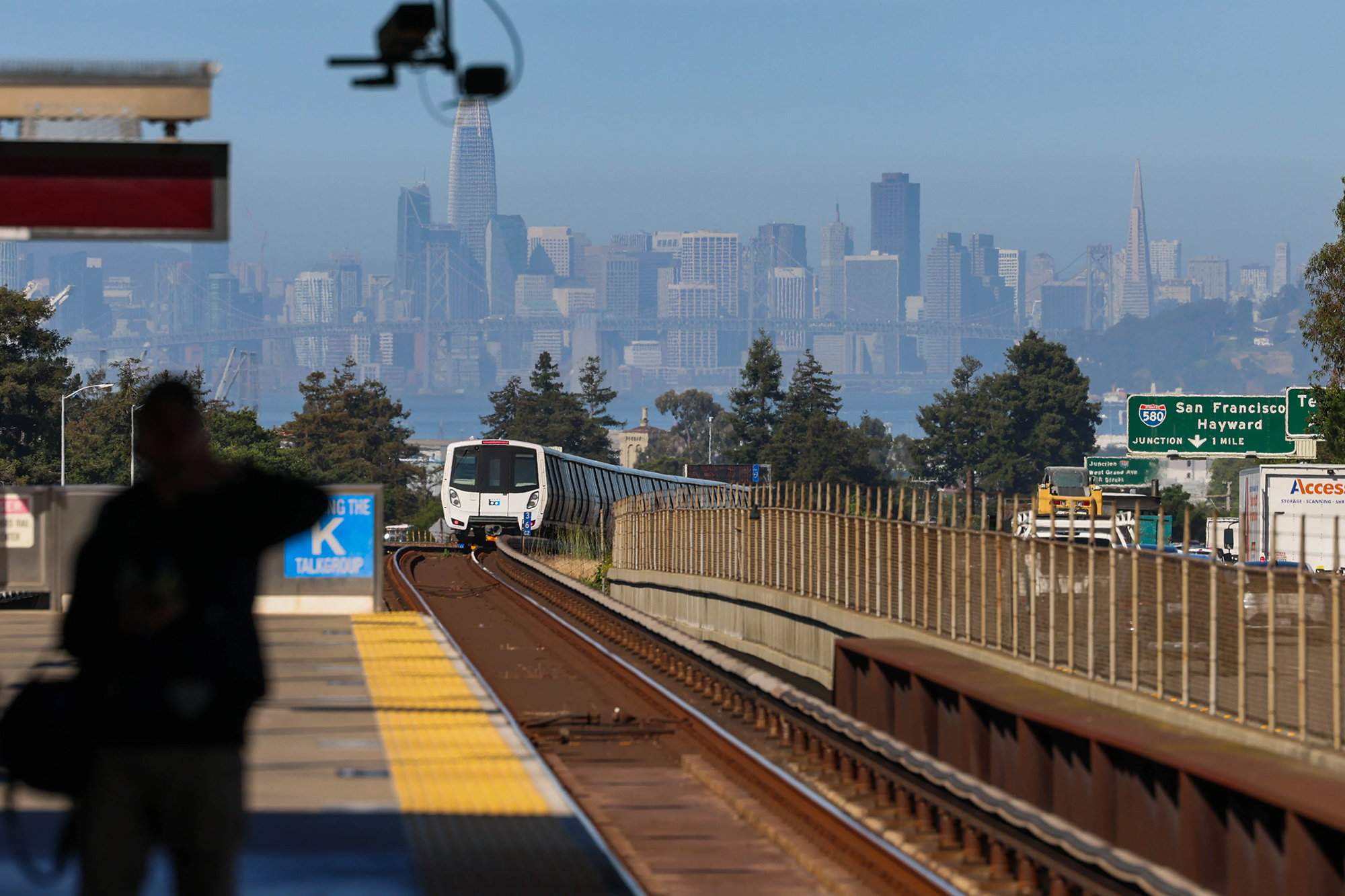
Meanwhile, the San Francisco Bay Area presents its own set of challenges. Voters in four counties will be confronted with a similar proposal to raise local sales taxes by half a percentage point, while those in San Francisco face a more ambitious suggestion of a full percentage point increase. The revenue generated would be earmarked for closing deficits within the Bay Area Rapid Transit (BART) system and local bus and trolley services.
These proposals are part of a larger pattern, reflecting a growing trend of municipalities seeking tax waivers from state laws that generally cap local sales tax increases. This trend has relatively dismantled previous limitations, allowing for a patchwork of taxation throughout California, which already boasts the nation’s highest statewide sales tax rate of 7.25%.
Economic Implications of Sales Tax Increases
California’s consumers spend approximately $1 trillion on taxable goods every year, producing more than $70 billion in revenue from sales taxes. About half of this funding goes directly to the state’s general fund, while the other half is distributed among various cities, counties, and special districts. When local taxes are factored in, California’s average sales tax rises to about 8.99%, ranking seventh nationally, with some areas experiencing rates soaring to 11.25%.
Public Concerns and Critiques
Despite the intended benefits of these tax modifications, many critics argue that they overlook essential operational adjustments needed within transit systems and public services. For example, the BART system, which has seen ridership drop to below 50% compared to pre-pandemic levels, faces accusations of mismanagement and reliance on outdated operational strategies.
Many fear that transit officials are employing alarmist tactics to promote tax support, often framing the narrative around dire consequences should taxes not be raised. Columnists and commentators highlight these scenarios as “Band-Aid” solutions rather than addressing underlying issues in transportation financing and service management.
Conclusion
California voters stand at a crossroads, with their decisions poised to impact not only the immediate fiscal landscape but also the long-term viability of public services and infrastructure. As local governments strive to secure funding through sales tax increases, the electorate must weigh the implications of these choices against their economic realities. Ultimately, how voters respond will shape the trajectory of California’s financial future and public service sustainability.
For more insights on California’s economic and political landscape, explore CalMatters.
