

Evolving Economies: The Rise of Vietnamese Workers in the Global Landscape
In the exploration of changing labor demographics, Marketplace delves into how the aging population in the United States and other affluent nations influences economic structures. As these countries grapple with an older workforce, the economic spotlight shifts toward the vibrant youth populations in developing regions, particularly in countries like Vietnam.
The Aging Workforce and Global Economic Shifts
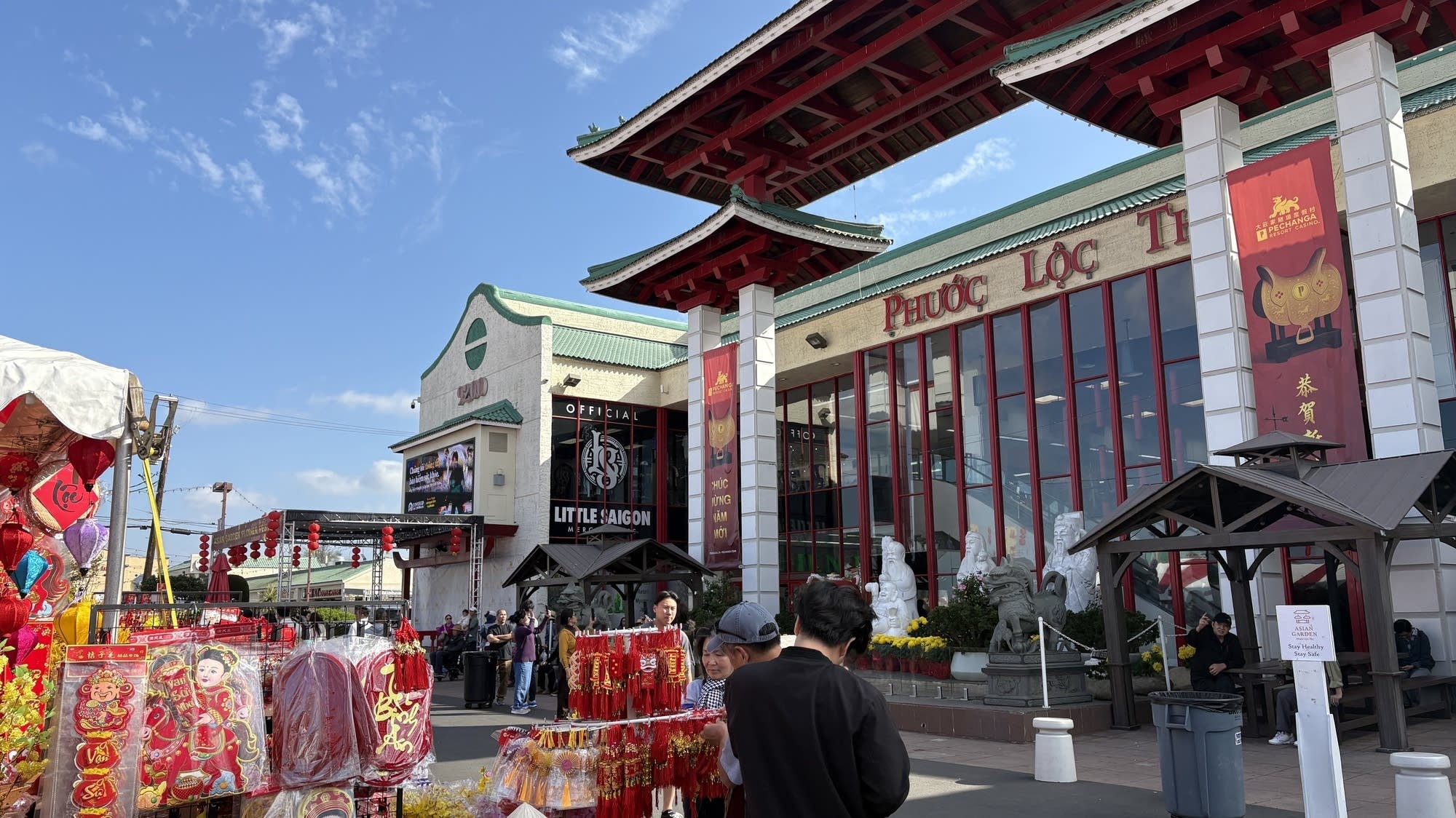
As populations age in wealthier nations, the global economy increasingly relies on younger labor forces from developing countries. This dynamic creates new opportunities for collaboration and economic interchange, particularly between the United States and Vietnam. Marketplace host Kai Ryssdal recently explored these connections in Little Saigon, a noteworthy hub for Vietnamese immigrants in Orange County, California.
Little Saigon: A Historical Perspective
During the 1970s and 1980s, a significant number of Vietnamese refugees arrived in the U.S., establishing their roots in what is now known as Little Saigon. This area has evolved into a focal point for the Vietnamese-American community, showcasing cultural heritage and business acumen. With the aging of first-generation immigrants, a new generation is stepping up, forging connections to the homeland their parents fled.
Entrepreneurial Pathways: First-Generation Success Stories
The beauty industry has long served as an entry point for Vietnamese immigrants seeking entrepreneurship in the U.S. Many began their journeys at Advance Beauty College, founded by Minh Nguyen and his wife Kien in 1987. As war refugees, they identified opportunities to empower the growing Vietnamese-American community through specialized training.
Now led by their children, Tam and Linh, Advance Beauty College continues to thrive, offering bilingual programs in areas like hair styling and manicuring. “We’ve seen 50,000 graduates pass through here,” Tam shared. “They enter the workforce quickly, even with limited English skills.” The college also employs staff in Vietnam for administrative work, benefiting from the cost-effective, skilled labor available in the region.
Embracing Heritage: A “1.5 Generation” Perspective
Chris Tran, another entrepreneurial spirit from Little Saigon, embodies the “1.5 generation,” individuals born in Vietnam but raised in the U.S. This generation faces the challenge of reconciling their dual identities. During the pandemic, Tran established Little Saigon Official, designing community-branded merchandise to instill pride among younger Vietnamese Americans. He aims to connect them with their cultural heritage through designs featuring traditional Vietnamese symbols.
The Next Generation of Vietnamese-Americans
Tommy Nguyen represents the second generation of Vietnamese-Americans in Little Saigon. He grew up in a family that owns a chain of bánh mì shops. “I’m part of the second generation that is helping my parents transition into retirement,” he explained, noting that taking this path wasn’t originally in his plans. His experiences teaching English in Vietnam on a Fulbright scholarship allowed him to connect with his roots and gain insights into the rapidly transforming economy of Vietnam.
Vietnam’s Economic Surge
Vietnam is poised to be one of the fastest-growing economies globally, with projections from Harvard Kennedy School predicting significant growth in GDP per capita over the next decade. This economic environment creates exciting prospects for young Vietnamese Americans like Tommy, who see opportunities to invest and work in their ancestral land—a burgeoning landscape ripe for innovation and development.
Conclusion
As labor demographics shift, the connections between Vietnamese workers and the global economy deepen. With both first-generation businesses and their descendants paving the way for a dynamic future, the ongoing partnership between the U.S. and Vietnam stands to create a rich tapestry of cultural and economic exchange. The resilience and innovation of these communities continue to enhance the economic landscape, showcasing the potential for a prosperous future that honors their heritage.
For more insights on these evolving dynamics, feel free to explore further.
