

California’s Education System: A Century-Old Dilemma and Recent Reforms
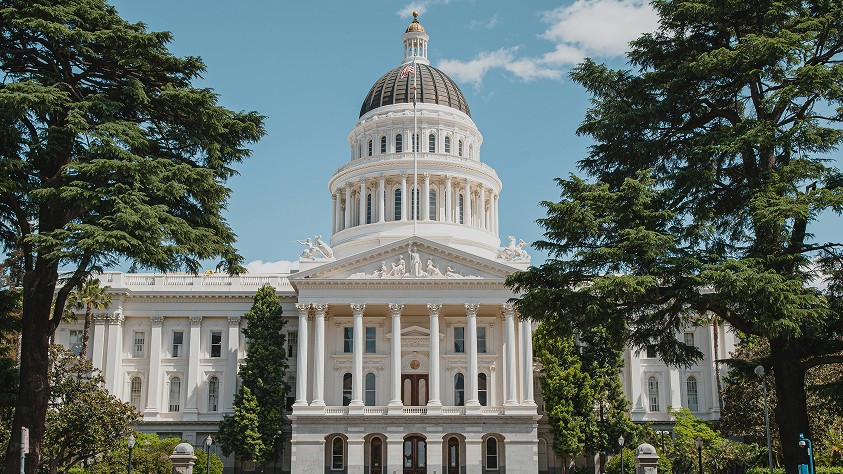
The state capitol building in Sacramento. (Photo courtesy of the state Assembly)
California is known for its vibrant culture and robust economy, ranking among the world’s top economies. Yet, when it comes to governance, the state often drags its feet, lagging a century behind modern expectations. For instance, California didn’t ratify the 14th Amendment until 1959 and only began regulating groundwater in 2014.
The 100-Year Reform Rule
This phenomenon, termed the “100-year reform rule,” manifests vividly in the state’s education system. For decades, the governance of California’s education has been divided between two entities: the elected State Superintendent of Public Instruction and the governor-appointed State Board of Education. This structure has resulted in overlapping and oftentimes conflicting authority, creating confusion for school districts regarding policies and practices.
Historical Context: The 1920 Report
In 1920, a Special Legislative Committee on Education highlighted these governance issues. The committee discovered that the dual authority model posed significant risks, leading to political conflicts and contradictory guidance. According to the 1920 report, the situation was precarious and called for a “more rational form of state educational organization”—specifically, the consolidation of educational oversight under the State Board, which would appoint a non-partisan Commissioner of Education to oversee all educational matters, from teacher certification to curriculum standards.
Repeated Attempts at Reform
Despite the report’s clear recommendations, efforts to amend the governance structure have repeatedly faced hurdles. Over the years, various legislative attempts have been made to place this reform on ballots, yet none have succeeded. Notably, six studies in the past three decades have echoed the call for change, affirming the need for accountability in California’s K-12 education system.
Current Confusion in Educational Governance
Today, contradictions persist, as the State Board and the elected superintendent often issue conflicting directives on critical issues such as financing, curriculum, and educational standards. A committee established under former Governor Schwarzenegger succinctly summarized the problem: “everyone is in charge, and no one is accountable.”
Governor Newsom’s Proposed Changes
In 2023, as part of his agenda, Governor Gavin Newsom is attempting to revisit the 1920 recommendations through a new legislative proposal. Notably, unlike previous efforts, this plan:
- Avoids a Constitutional Amendment: This circumvents the need for voter approval, as Californians have had ample time to address the matter.
- Shifts Authority: Control over the educational system would be transferred to a governor-appointed education commissioner, simplifying responsibilities and enhancing accountability.
The Structure of the Proposed Reforms
Under Governor Newsom’s proposal, the elected superintendent would retain a seat on the State Board of Education, but a new education commissioner—selected by the governor—would be the main decision-maker for education policy. This model aligns California more closely with many other states, where an appointed official manages education policy.
Implications of the Proposal
This reform aims to streamline educational governance, helping clarify who is responsible for implementing changes, ultimately enhancing operational efficiency within California’s education system. Local school boards, administrators, and advocates are largely in favor, arguing that a clearer authority structure can reduce confusion and improve oversight.
Potential Challenges Ahead
However, opposition exists. Current Superintendent Tony Thurmond and various educational stakeholders have voiced concerns regarding the proposed changes. The California Teachers Association, an influential body, may pose significant barriers to the proposal’s success, much as they did with previous reform attempts.
The Road Ahead
As this new proposal unfolds, it represents a significant opportunity for California to address persistent educational governance issues that have lingered for over a century. Whether this legislative attempt to unify educational oversight gains traction remains to be seen, but the hope for meaningful change offers a glimpse of progress in a state often characterized by its delayed reforms.
This ongoing discussion around educational governance serves as a reminder of the complexities inherent in large bureaucracies. As Californians continue to advocate for a system that better suits their modern needs, the push for change may finally lead to effective governance in education—a crucial step for the future of the state’s youth and, indeed, the entire community. For more details on California’s education reforms, explore the insights from the Legislative Analyst’s Office.
