

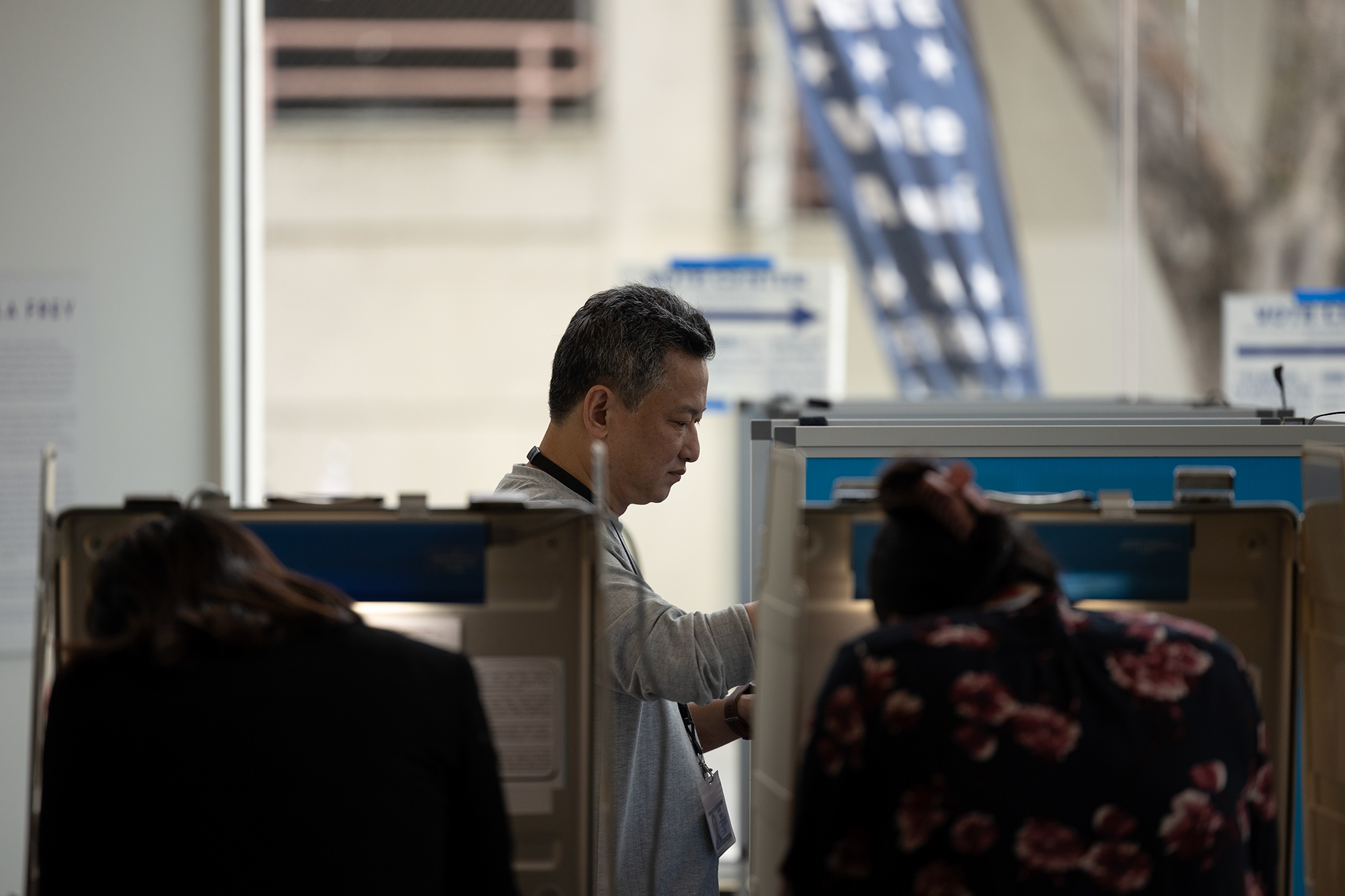
Voting Rights as Health Rights: The Impact of the SAVE Act on Public Health in California
As discussions around the SAVE America Act unfold in the U.S. Senate, it’s crucial to recognize the implications this legislation holds for voting rights and public health, particularly among California’s communities of color. For many, the bill signifies more than just a political maneuver; it poses a direct threat to public health.
The Link Between Political Engagement and Health
Research by public health experts has revealed a troubling connection between political participation and health outcomes. During recent focus groups conducted with Asian American residents across various California counties, participants shared poignant insights about how their lack of political engagement adversely affected their health needs. Barriers such as language obstacles, distrust of government, and insufficient community resources culminated in disappointing health service delivery.
One participant aptly articulated the gravity of their situation: without a political voice, there are fewer advocates for community health needs.
As established by scientific studies, political participation is a recognized social determinant of health. Communities with higher voter turnout have shown improved health indicators. For instance, research indicates that African American neighborhoods with strong voter participation report better birth outcomes and increased investment in health resources in states that prioritize voting.
The Consequences of the SAVE Act
The SAVE Act aims to introduce strict voting requirements that could significantly disenfranchise marginalized communities. A recent study from the University of Southern California revealed that nearly 21% of Asian American voters who participated in the 2020 election failed to return to the polls in 2024, marking one of the highest dropout rates among racial groups. The statistics are even more alarming for Latino voters, with just 46% participating in the general election.
This legislative effort would further entrench existing political disenfranchisement within these communities. Notably, about 146 million Americans lack a valid passport. This disproportionately affects lower-income individuals and immigrants of color who often face additional obstacles in obtaining essential documentation for voting.
Previous implementations of similar laws, such as a proof-of-citizenship requirement in Kansas, resulted in the disenfranchisement of 31,000 eligible citizens, far exceeding the number of identified noncitizens attempting to vote. Such restrictive measures hinder access to the ballot box without significantly increasing election security.
Historical Context of Voter Suppression
The SAVE Act has drawn comparisons to historical voter suppression tactics—poll taxes, literacy tests, and grandfather clauses—dressed in the guise of safeguarding elections. This approach not only complicates the voting process but instills fear in immigrant communities wary of government practices. As voter participation declines, the ramifications extend beyond elections, impacting essential health services that rely on political advocacy for funding and support.
Conclusion: Advocacy for Voting Rights as a Health Imperative
The consequences of suppressing votes reach into every clinic, school health program, and community health center reliant on political champions for survival. The connection between voting rights and health rights cannot be overstated, emphasizing that the battle against the SAVE Act transcends mere political discourse—it’s fundamentally about who has equitable access to health in America.
Advocates and community members must unite in recognizing that voting rights are health rights. The health of California’s communities hinges on active participation in the democratic process, so the call to action is clear: resist the SAVE Act to uphold both democracy and public health.
